



















Tensions between the United States and Iran intensified over the weekend after both sides confirmed new military strikes, raising fresh concerns over regional stability even as diplomatic negotiations continue.
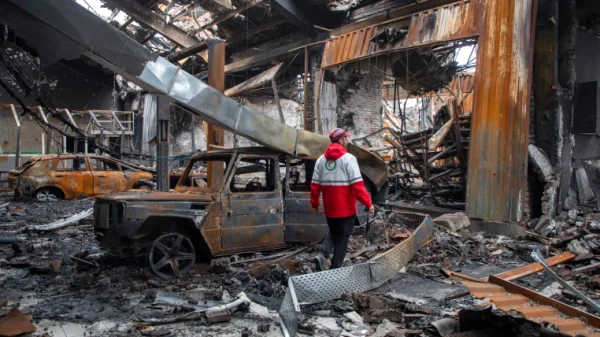
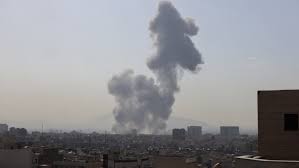
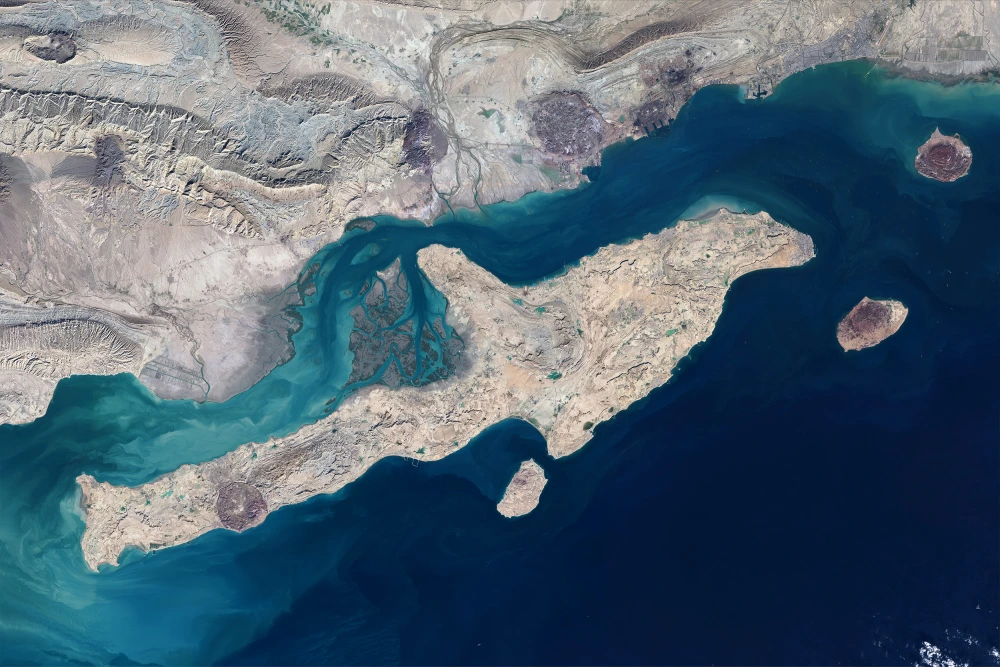
The U.S. military announced that it carried out what it described as “self-defense” operations targeting Iranian radar and drone control installations in parts of southern Iran, including Goruk and the island of Qeshm Island in the strategically vital Strait of Hormuz.
According to U.S. Central Command (CENTCOM), the action was a direct response to what it called Iranian aggression, including the reported downing of a U.S. MQ-1 surveillance drone operating over international waters. The military said its forces also destroyed air defense systems, a ground control station, and multiple one-way attack drones that were allegedly preparing to target maritime traffic.
Officials stated that no U.S. personnel were injured in the operation.
Iran Responds With Counterstrike Claims
In response, Iran’s Islamic Revolutionary Guard Corps (IRGC) claimed responsibility for a retaliatory operation targeting what it described as the origin of a U.S. attack on a telecommunications facility on Sirik Island. However, Iranian authorities did not disclose the exact location of the alleged U.S. base.
The IRGC warned that continued American military action would prompt a significantly stronger response, escalating fears of a wider regional confrontation.
Separately, the military of Kuwait reported that it had activated its air defense systems amid what it called “hostile missile and drone threats.” While officials did not specify the source of the attack, Kuwait hosts a key U.S. military installation that has previously been targeted by Iran-aligned groups.
Rising Military Exchanges Amid Ongoing Diplomacy
The latest exchange marks another escalation in a series of strikes between the two countries since a ceasefire agreement was reached earlier in April. Despite ongoing negotiations aimed at stabilizing the situation, both sides have continued limited military operations.
Diplomatic discussions remain focused on Iran’s nuclear program, missile capabilities, and regional security guarantees. However, progress has been slow, with deep disagreements persisting on core issues.
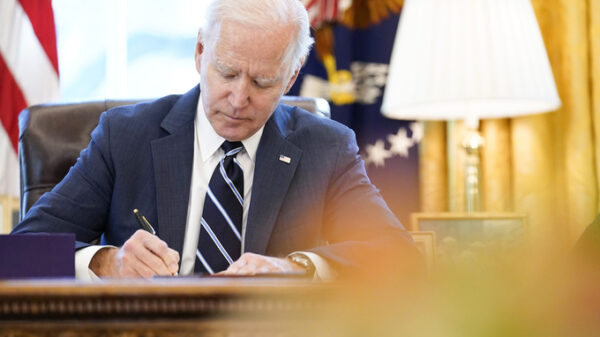
In Washington, U.S. President Donald Trump addressed criticism over delays in the negotiations, urging patience and insisting that Iran remains interested in reaching a deal. He also reiterated demands that Iran abandon any pursuit of nuclear weapons and allow unrestricted maritime traffic through the Strait of Hormuz.
Iran, meanwhile, has accused the U.S. administration of prolonging negotiations through what it calls unrealistic and excessive demands.
Regional Conflict Deepens
The broader Middle East security situation has also been complicated by parallel conflicts, including ongoing Israeli military operations in Lebanon. Israeli forces have continued strikes against Hezbollah positions despite a previously announced ceasefire.
Israeli Prime Minister Benjamin Netanyahu recently stated that Israel aims to expand its operational control in parts of southern Lebanon following a major military advance that included the capture of a strategic high ground near the historic Beaufort Ridge area.
In parallel diplomatic efforts, U.S. Secretary of State Marco Rubio held discussions with regional leaders, including Netanyahu and Lebanese President Joseph Aoun, focusing on proposals intended to reduce tensions and create conditions for a gradual ceasefire implementation.
Strategic Stakes in the Gulf
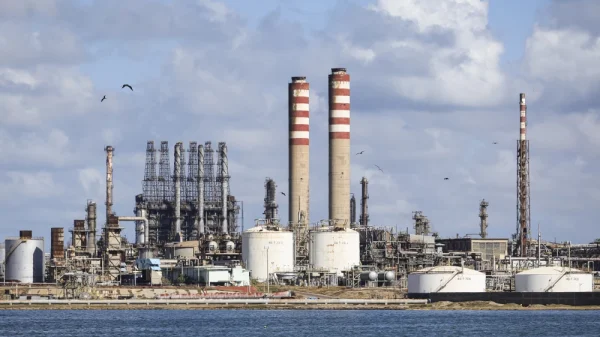
The ongoing confrontation carries significant global implications, particularly for energy markets. The Strait of Hormuz—a critical maritime chokepoint through which nearly one-fifth of the world’s oil supply passes—has become a central flashpoint in the conflict.

Disruptions in the region have already contributed to volatility in global energy prices, with analysts warning that continued instability could further strain international markets.
Outlook Remains Uncertain
Despite diplomatic engagement, both Washington and Tehran appear entrenched in their positions. The United States continues to emphasize deterrence and maritime security, while Iran insists its actions are defensive and retaliatory in nature.
With military activity continuing alongside fragile negotiations, international observers warn that miscalculation by either side could rapidly escalate into a broader regional war.