
























The Japanese yen strengthened sharply against the U.S. dollar on Monday after officials from both Washington and Tokyo confirmed they had jointly intervened in foreign exchange markets to stabilize the Japanese currency.
The coordinated action triggered one of the biggest single-day moves in the currency pair this year, signaling renewed efforts by both governments to address excessive volatility in global financial markets.
Dollar Slides as Yen Gains Momentum
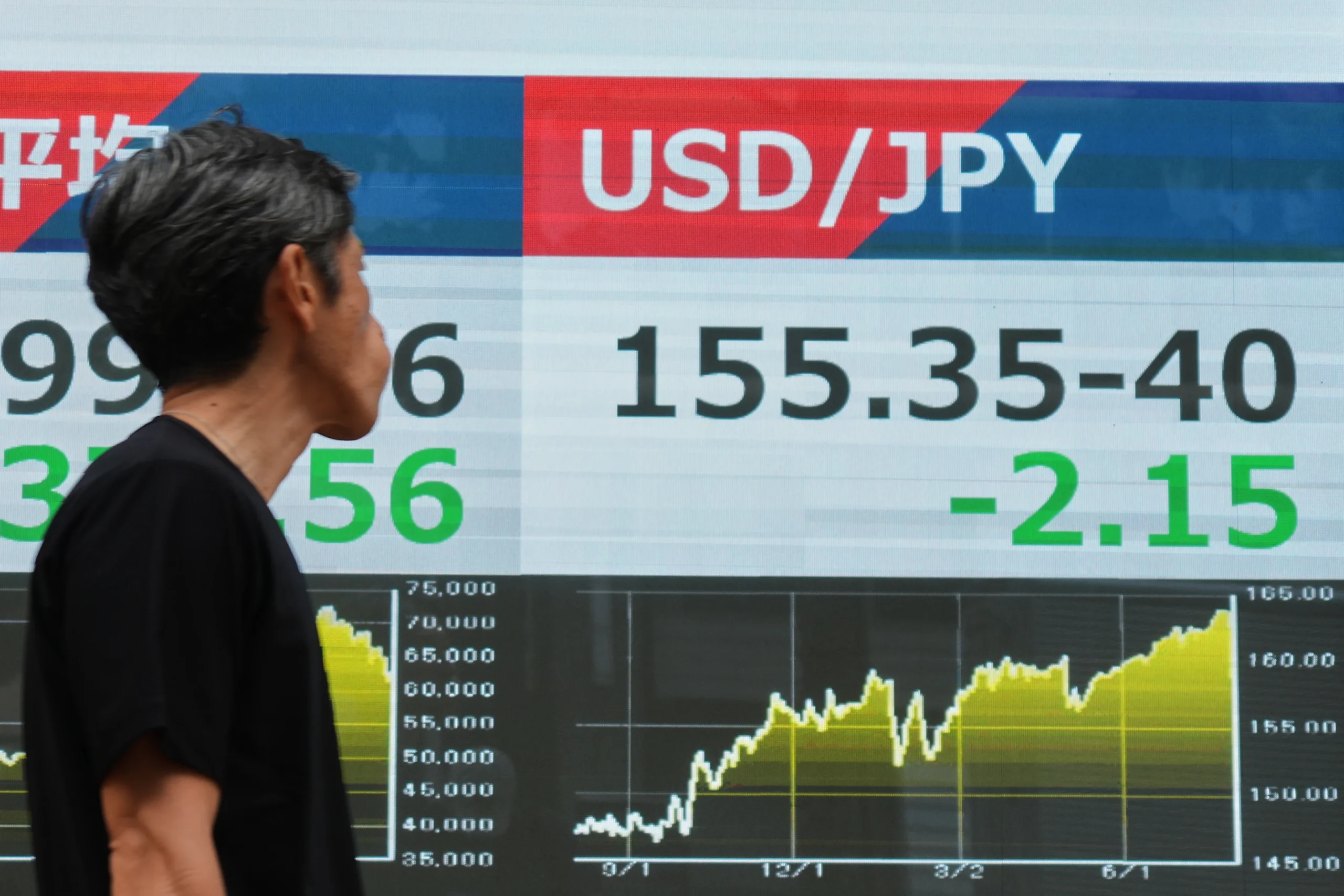
The U.S. dollar fell by about 1% in early Monday trading, dropping to approximately 156.34 yen after official confirmation of the intervention.
Just days earlier, the dollar had climbed above 163 yen, its strongest level against the Japanese currency in four decades. Market speculation about government intervention had already pushed the exchange rate below the 160-yen mark before the announcement.
Currency analysts described the latest decline as a significant adjustment in a market where daily fluctuations are typically much smaller.
Joint Action Confirmed by Both Governments
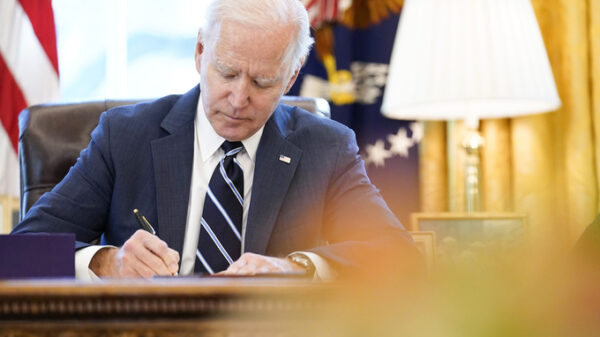
President Donald Trump confirmed that the United States cooperated with Japan in the market operation, describing the move as a demonstration of the close economic relationship between the two countries.
Trump said the intervention benefited both nations and supported broader global financial stability, adding that the United States was willing to assist an important ally facing prolonged currency weakness.
In Tokyo, Japanese Finance Minister Satsuki Katayama also confirmed the coordinated action, stating that Japan purchased yen with support from the U.S. Treasury Department.
According to the finance ministry, the intervention was intended to counter excessive volatility and disorderly movements in the foreign exchange market. Officials also indicated they remain prepared to take additional measures if market conditions require further action.
Weak Yen Has Increased Inflation Pressure
Japan has struggled with a persistently weak yen for months, creating higher import costs for energy, food and other essential goods.
Because Japan relies heavily on imported products and raw materials, a weaker currency raises domestic prices, placing additional pressure on households and businesses already dealing with inflation.
Previous attempts by Japanese authorities to strengthen the yen had only limited impact, making the latest coordinated intervention particularly significant.
Rare International Currency Cooperation
Financial experts note that publicly acknowledging coordinated currency intervention between the United States and Japan is highly unusual.
Analysts say one of the last major examples of similar cooperation occurred after Japan’s devastating 2011 earthquake and tsunami, when governments acted together to stabilize financial markets.
Market observers believe the current intervention reflects shared economic interests, as a stronger yen and a relatively weaker dollar could help balance trade conditions while reducing instability in currency markets.

Markets Watch for Further Action
Investors will now closely monitor upcoming movements in the foreign exchange market for signs of additional intervention if volatility returns.
The coordinated effort has reinforced expectations that both governments are prepared to act again should sharp currency swings threaten economic stability or disrupt international trade.