

















Tehran, July 15, 2026: Tensions between the United States and Iran have escalated sharply after Washington reinstated a naval blockade against Tehran and carried out a fresh series of military strikes, prompting Iran to threaten a complete halt to energy exports across the Middle East.
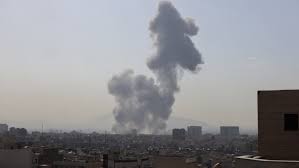
According to Iranian officials, U.S. forces launched multiple airstrikes early Wednesday, targeting military facilities, including an army barracks in southeastern Iran. Authorities reported that at least seven soldiers were killed and more than 260 people were injured during the latest attacks.
The renewed military campaign follows the collapse of negotiations linked to an interim agreement that had temporarily eased tensions. The United States initially imposed the naval blockade in April before suspending it in June to allow diplomatic talks over Iran’s nuclear program and regional security issues. With negotiations now stalled, Washington has restored the blockade.
Iran’s Islamic Revolutionary Guard Corps (IRGC) responded with a strong warning, declaring that if Iranian energy exports are blocked, no country in the region should expect to continue exporting oil or natural gas.
“The export of oil and gas from the region will either continue for everyone or stop for everyone,” the IRGC said in a statement, signaling the possibility of wider disruption to global energy supplies.
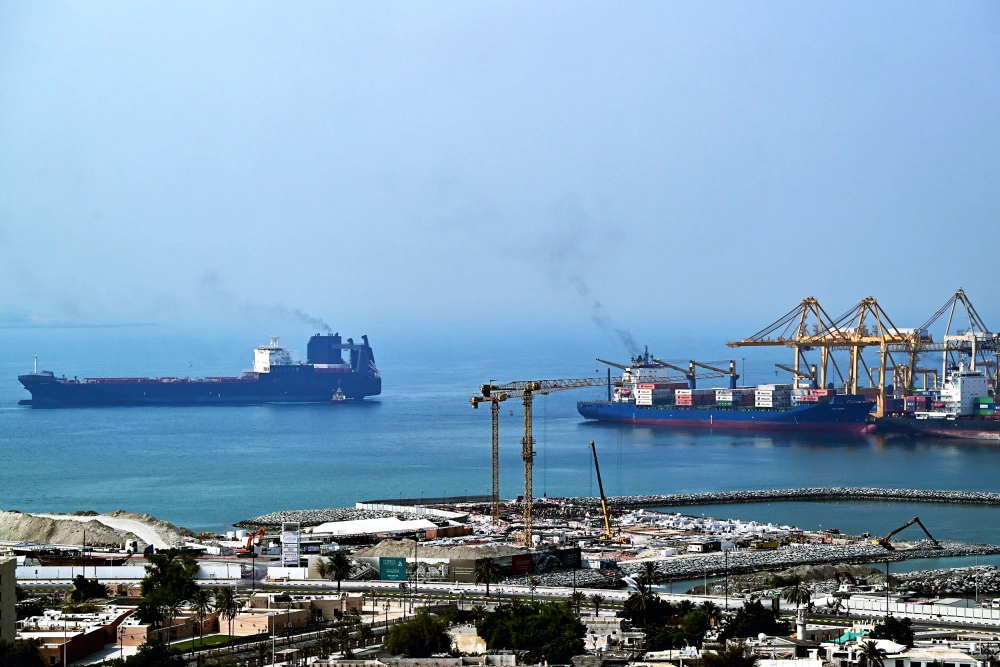
The Strait of Hormuz, one of the world’s most strategically important maritime routes, remains at the center of the crisis. Roughly one-fifth of global oil and liquefied natural gas shipments pass through the narrow waterway, making any disruption a significant concern for international markets.
Trump Signals More Military Action
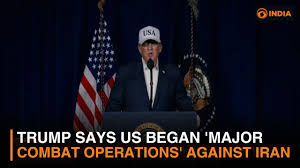
U.S. President Donald Trump stated that additional American military operations against Iran are expected within days if diplomatic negotiations fail to resume. Speaking during a television interview, Trump indicated that critical infrastructure, including bridges and power facilities, could become future targets.
“You better make a deal, or you’re not going to have anything left,” Trump warned while emphasizing that further strikes remain under consideration.
The U.S. military’s Central Command confirmed that dozens of military targets were struck during a seven-hour operation conducted after the blockade was reinstated.
Casualties Continue to Rise
Iran’s Health Ministry reported that more than 260 people were wounded in Wednesday’s attacks, though officials did not provide an updated nationwide death toll. Government spokesperson Fatemeh Mohajerani said that over 30 people have died in recent days as hostilities intensified.
One of the hardest-hit locations was a military installation belonging to Iran’s 388th Mechanized Infantry Brigade in Sistan and Baluchestan province. Iranian state media reported that at least 13 missiles struck the base, killing both conscripted and professional soldiers while leaving several others injured.
Iranian military officials vowed a “decisive response” to what they described as American aggression.
Missile Alerts Across Gulf Region
The regional conflict continued to spread as missile warning systems were activated in Bahrain and Kuwait following reported launches from Iran. Jordan also announced that its air defenses intercepted three incoming missiles.
U.S. Central Command accused Iran of launching numerous missiles and drones toward neighboring Gulf nations, stating that American forces are acting to protect regional stability and civilian lives.
Strait of Hormuz Remains Global Flashpoint
The confrontation has once again focused international attention on the Strait of Hormuz, a critical shipping corridor connecting the Persian Gulf to global markets.

Since the conflict intensified earlier this year, attacks on commercial vessels and repeated threats against maritime traffic have disrupted shipping operations and increased volatility in energy markets.
Oil prices reacted immediately to the renewed tensions. Brent crude briefly climbed above $87 per barrel before retreating after reports that the United States had abandoned a proposal to impose transit fees on ships using the Strait of Hormuz. Prices later recovered to around $85 as investors assessed the growing security risks.
President Trump said Gulf allies had encouraged Washington to pursue alternative economic arrangements instead of introducing shipping tolls, including increased investment commitments to the United States.
Diplomatic Efforts Continue
Despite the escalating military confrontation, regional mediators continue efforts to revive negotiations between Washington and Tehran in hopes of preventing a broader conflict.
Iran’s ambassador to the United Nations criticized the ongoing U.S. military campaign, arguing that Washington was responsible for escalating the crisis and calling on the international community to address the conflict through diplomatic channels.
With military operations continuing and both sides exchanging threats, international observers remain concerned that further escalation could threaten global energy supplies and regional security.