






















A civil rights organization has filed a federal lawsuit accusing the U.S. government of improperly sharing confidential immigration information belonging to Iranian asylum seekers with Iranian authorities, alleging that the disclosures could place individuals and their families at serious risk.
The Iranian American Legal Defense Fund filed the lawsuit Tuesday, claiming that U.S. officials entered into an arrangement with Iranian authorities that allowed immigration records of some Iranian nationals in U.S. Immigration and Customs Enforcement custody to be shared.
According to the complaint, the alleged disclosures began in 2025 and included sensitive documents such as asylum applications, requests for immigration relief, and final removal orders. The group argues that releasing such information violates protections given to asylum seekers and could expose them to persecution if they are returned to Iran.
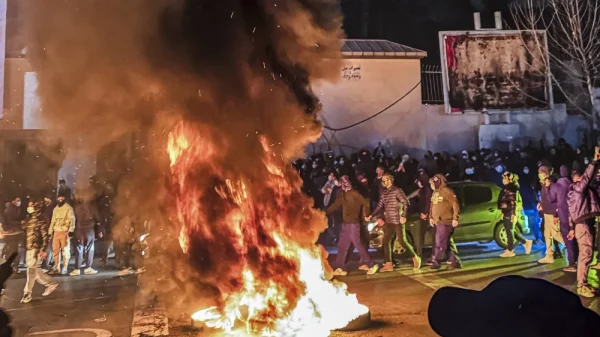
The lawsuit states that many affected individuals are people who fled Iran because of political activism, religious persecution, or discrimination based on identity. The legal filing specifically mentions pro-democracy protesters, religious minorities, and members of the LGBTQ community among those who may be impacted.
Attorney Michael Kirkpatrick, who represents the nonprofit through Public Citizen’s litigation group, argued that sharing the information could endanger asylum seekers, their relatives, and others connected to them in Iran.
The lawsuit asks a federal court to declare the alleged agreement unlawful and seeks permission for affected detainees to reopen their immigration cases to determine whether they qualify for asylum or other forms of protection.
The Department of Homeland Security rejected the allegations, calling claims that U.S. Immigration and Customs Enforcement shared asylum applications with the Iranian government “false.”
In a statement, DHS said ICE works with foreign governments to obtain travel documents for detained individuals and allows detainees to contact their consular representatives when required under applicable laws and policies. The agency did not acknowledge sharing asylum applications or confidential protection claims.
The case comes amid longstanding tensions between the United States and Iran. The two countries have had no formal diplomatic relations since the Iran hostage crisis, when American diplomats and citizens were held hostage after Iran’s Islamic Revolution.
For decades, many Iranian nationals have sought refuge in the United States, citing political repression, religious restrictions, and threats to personal safety. The lawsuit now places renewed attention on how governments handle sensitive immigration information involving individuals fleeing authoritarian regimes.
The court has not yet ruled on the allegations, and the claims remain disputed between the plaintiffs and the federal government.