






















A federal jury has convicted Hadi Matar on terrorism-related charges linked to the 2022 stabbing of acclaimed author Salman Rushdie during a public event in New York. The verdict adds a potential life sentence to the punishment Matar is already serving for his state conviction in the attack.
Matar, 28, was found guilty of all federal charges, including committing an act of transnational terrorism. He is currently serving a 25-year prison sentence after being convicted in New York state court for attempted murder and assault stemming from the August 2022 attack at the Chautauqua Institution.
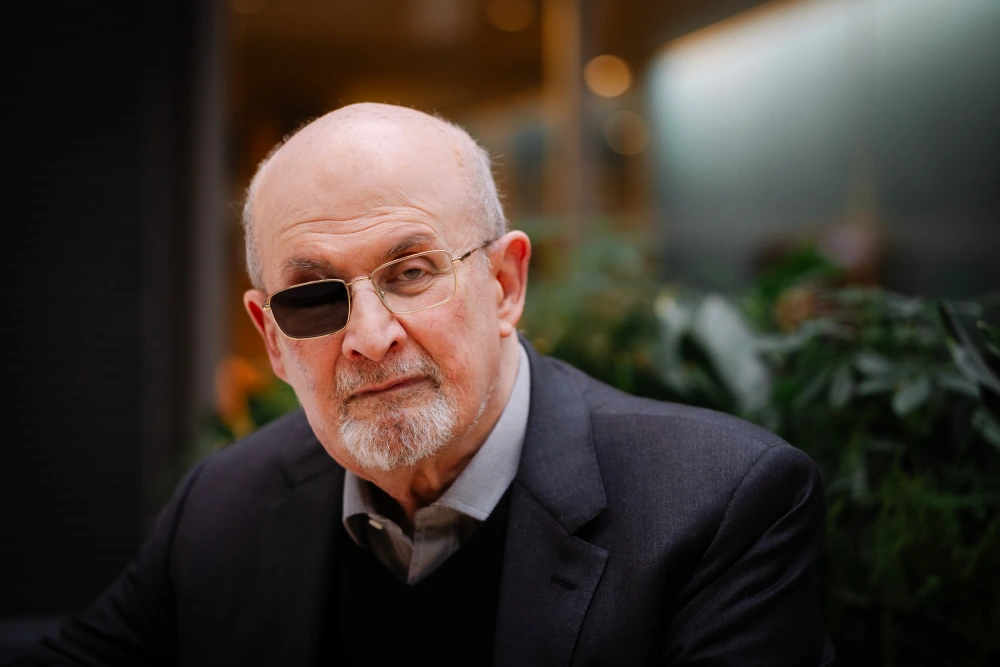
During the incident, Rushdie was preparing to deliver a speech about protecting writers when Matar rushed onto the stage and attacked him. The author was stabbed multiple times, suffering severe injuries that resulted in the permanent loss of sight in his right eye.
Prosecutors Link Attack to Decades-Old Threat Against Rushdie
Federal prosecutors argued that Matar was motivated by a long-standing call for violence against Rushdie connected to his 1988 novel “The Satanic Verses.” The book sparked controversy in parts of the Muslim world after some religious groups considered sections of the novel offensive.
Authorities said evidence presented during the trial, including digital messages and online activity, showed that Matar had repeatedly discussed the religious decree issued against Rushdie and expressed support for carrying out an attack. Prosecutors also presented evidence they said showed Matar had researched Rushdie’s public appearances before the stabbing.
Assistant U.S. Attorney Timothy Lynch told jurors that Matar had focused on Rushdie for ideological reasons and viewed the attack as part of a broader cause.
Defense Argues Evidence Did Not Prove Matar’s Intent
Matar’s defense team challenged the government’s claims about his motivations, arguing that prosecutors had not proven what was happening in his mind at the time of the attack. Defense attorney Nathaniel Barone said evidence of personal beliefs did not necessarily establish the required intent for the federal terrorism charges.
Matar did not testify during the trial. Rushdie appeared as a witness and described the attack, telling jurors that while he could not know his attacker’s exact intentions, the injuries showed the seriousness of the assault.
Rushdie’s Long History of Controversy and Literary Achievement
Salman Rushdie, born in India and raised in a Muslim family, is one of the world’s most recognized contemporary authors. He won the prestigious Booker Prize for his 1981 novel “Midnight’s Children,” which explored India’s history through fiction.
His later novel “The Satanic Verses” led to widespread protests and threats after its publication. In 1989, Iran’s then-Supreme Leader Ayatollah Ruhollah Khomeini issued a religious decree calling for Rushdie’s death. Although Iran later distanced itself from the decree, it was never formally withdrawn.
Rushdie spent years under heightened security before returning to public life. In recent years, he has continued writing and has published works reflecting on his experiences, including a memoir about the 2022 attack.
Federal Sentence Could Add Significant Prison Time
While Matar is already serving a lengthy state sentence, the federal terrorism conviction allows for the possibility of a life sentence. The final federal punishment will be determined at a later sentencing hearing.
The case has renewed global attention on issues involving threats against writers, freedom of expression, and politically motivated violence