




















Global oil markets reacted sharply Tuesday after the United States revoked a temporary waiver that had allowed Iranian crude exports to continue, sending oil prices higher amid rising tensions near the Strait of Hormuz.
U.S. crude prices climbed more than 5% to above $72 per barrel, while international benchmark Brent crude increased about 5.3% to more than $75 per barrel. The increase came after reports that several commercial vessels near the strategic waterway were hit by unidentified projectiles.
The U.S. decision followed reported attacks involving multiple ships in and around the Strait of Hormuz, a critical route for global energy shipments. A U.S. official said Iran was responsible for the incidents, though details surrounding the attacks remained under review.
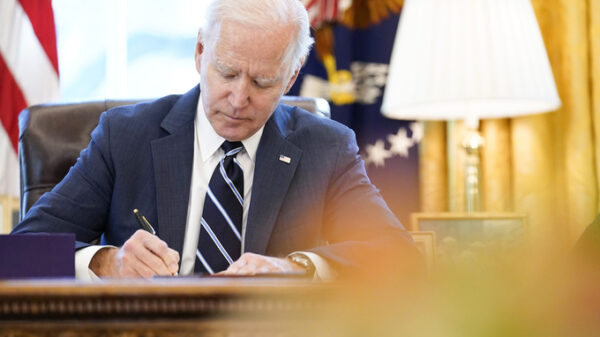
The revoked sanctions waiver, which had been scheduled to remain active until August 21, required companies involved in Iranian oil production, transportation, or sales to wind down those activities by July 17. The move was described by U.S. officials as a response to Iran’s actions in the region.
“Benefits will only continue if Iran demonstrates acceptable behavior,” a U.S. official said, adding that the reported attacks would result in consequences from Washington.
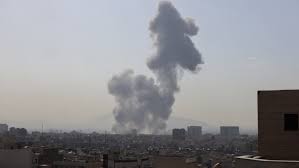
The United Kingdom Maritime Trade Operations reported receiving alerts about attacks on vessels traveling through the Strait of Hormuz. Officials said one ship was struck by an unmanned aerial vehicle, another suffered damage from an unidentified projectile, and a third vessel near Oman experienced a fire.
A U.S. official told NBC News that Iran’s Islamic Revolutionary Guard Corps had launched attacks against two ships and struck another commercial vessel with a drone. The official also said U.S. forces intercepted additional drones launched by Iran.
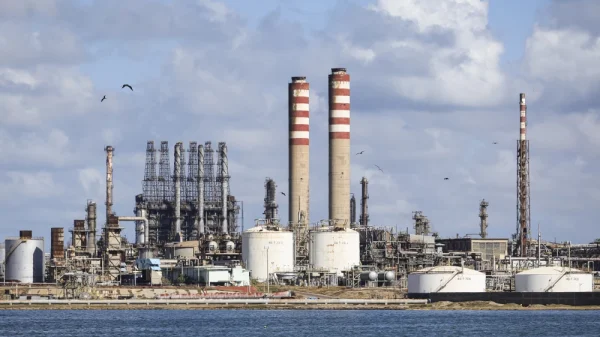
The renewed tensions added pressure to an already fragile energy market. The Strait of Hormuz has faced severe disruptions in recent months, limiting oil shipments and increasing concerns about global supply shortages.
Financial markets also reacted to the developments. U.S. Treasury yields moved higher, with long-term yields exceeding 5%, while major stock indexes declined. The S&P 500 ended the day down about 0.45%, while the Nasdaq-100 fell nearly 2%.
Technology stocks contributed significantly to market losses, particularly semiconductor companies. Shares of Samsung Electronics dropped sharply despite stronger-than-expected earnings, as investors reacted to concerns that future growth expectations may have been too optimistic.
Market analysts also pointed to growing competition in the artificial intelligence chip industry after reports that Chinese AI company DeepSeek is developing its own semiconductor technology, potentially reducing reliance on U.S. chip suppliers.
The combination of geopolitical risks, energy supply uncertainty, and technology sector volatility has increased market caution as investors monitor developments in the Middle East and global trade.