




















Investigators examining the deadly shooting at a mosque in San Diego say writings allegedly created by the two teenage suspects reveal deep exposure to violent online extremist content, including neo-Nazi ideology, misogynistic rhetoric, and racially motivated hate propaganda.
Authorities identified the suspects as Caleb Vazquez and Cain Clark, who officials say carried out Monday’s attack at the Islamic Center of San Diego before taking their own lives.
Three people were killed during the assault, which investigators believe may have been livestreamed online using body-mounted cameras worn by the attackers.
Investigators Examine Extremist Manifesto
Federal authorities are reviewing a 75-page document reportedly linked to the suspects. According to investigators and extremism researchers, the material contains references to white supremacist ideology, antisemitism, anti-Muslim hatred, misogyny, and extremist accelerationist beliefs that encourage violence to trigger societal collapse.
The writings allegedly praised several past mass shooters and extremist figures, including the perpetrator of the 2019 Christchurch mosque attacks in New Zealand.
Officials said the document also included references to online meme culture and extremist internet communities that have increasingly become spaces for radicalization among young users.
Mark Remily of the FBI’s San Diego field office stated that the suspects expressed hatred toward multiple racial, religious, and social groups.
Experts Warn About Online Radicalization
Counterterrorism specialists say the case reflects a growing trend in which extremist violence spreads through internet communities rather than traditional organized groups.
Researchers studying domestic extremism noted that violent content, manifestos, and livestreams are often circulated online after attacks, creating a cycle that can inspire future acts of violence.
Cynthia Miller-Idriss, an expert on radicalization and domestic extremism, described the suspects’ writings as a blend of white supremacist beliefs, incel ideology, nihilism, and online hate culture.
She said many young individuals exposed to extremist digital spaces gradually develop personalized justifications for violence through repeated interaction with hateful online material.
Security analysts also emphasized how modern social media platforms and fringe online forums have lowered the barriers to extremist recruitment and ideological influence.
Livestreamed Violence Raises Further Concerns
Law enforcement agencies are also investigating video footage allegedly streamed online during the attack.
Experts say livestreamed violence has become a disturbing tactic among extremist attackers since the Christchurch mosque shootings, where graphic footage spread rapidly across digital platforms worldwide.
Alex Goldenberg, a national security researcher, said extremist communities often treat violent attacks as digital propaganda that continues circulating long after the events themselves.

According to researchers, these online ecosystems encourage imitation by glorifying previous attackers and sharing manifestos, videos, and ideological material among like-minded individuals.
Young Age of Suspects Alarms Researchers
Investigators and analysts expressed concern over the suspects’ age, noting both teenagers grew up during a period when extremist content became increasingly accessible online.
Jon Lewis said the case demonstrates how younger internet users can become exposed to radical content early in life through social media, online forums, gaming platforms, and encrypted digital communities.
Federal authorities are continuing to investigate how the suspects became radicalized and whether additional individuals may have influenced or encouraged their actions online.
Community Holds Vigils After Deadly Attack
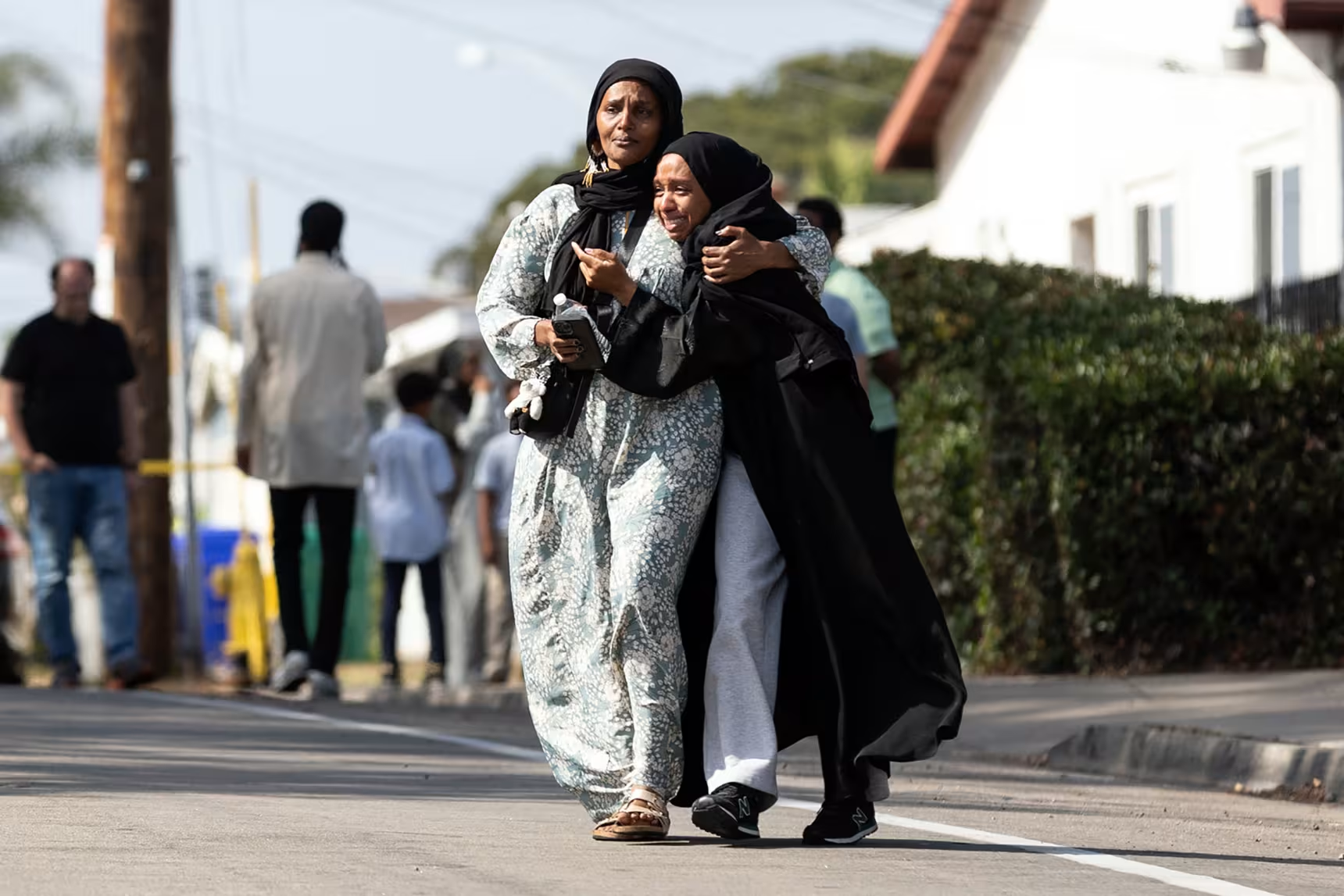
In the aftermath of the shooting, community members gathered outside the Islamic Center of San Diego for vigils honoring the victims and condemning hate-fueled violence.
Religious leaders, local officials, and advocacy groups called for stronger efforts to combat online extremism, hate speech, and domestic terrorism targeting minority communities.
The investigation remains ongoing as authorities continue analyzing digital evidence, online activity, and the suspects’ writings.