




















The United States military confirmed it carried out targeted strikes against Iranian positions near the Strait of Hormuz, describing the operation as a defensive response aimed at protecting American forces in the region.
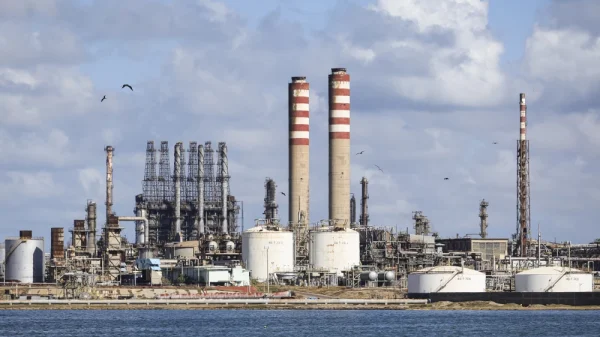
According to U.S. Central Command, the attacks targeted missile launch sites and Iranian vessels allegedly attempting to deploy naval mines in southern Iran near the strategic port city of Bandar Abbas.
Pentagon Describes Operation as ‘Self-Defense’
Captain Tim Hawkins, spokesperson for United States Central Command, said the strikes were conducted in self-defense while emphasizing that the U.S. military continues to exercise restraint during the current ceasefire with Iran.
American officials stated that the operation was intended to counter direct threats posed by Iranian military activities in the area. However, officials did not immediately release further operational details or clarify the scale of the strikes.
The temporary ceasefire between Washington and Tehran, which began in April, officially remains in effect despite the latest military action.
Explosions Reported Near Bandar Abbas
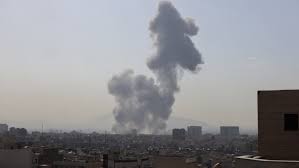
Iranian media outlets reported explosions around Bandar Abbas and nearby coastal areas along the Strait of Hormuz following the U.S. operation.
The strategically important region hosts Iranian military facilities and sits near one of the world’s most critical maritime trade routes. The Strait of Hormuz serves as a key passageway for global oil and natural gas shipments, making any military activity there a major international concern.
Some Iranian reports indicated that four members of Iran’s Revolutionary Guard were killed in attacks targeting boats operating near the coast. Iranian authorities, however, had not issued a full official response at the time of reporting.
Tensions Continue Despite Diplomatic Negotiations
The strikes occurred as diplomatic negotiations between the United States and Iran continue behind the scenes in an effort to end months of conflict.
President Donald Trump signaled Monday that talks were still progressing, although disagreements remain over Iran’s enriched uranium stockpile and future nuclear restrictions.
Trump reiterated his demand that Iran’s enriched uranium either be transferred out of the country or destroyed under international supervision. U.S. officials said this position has been consistently communicated during negotiations and does not represent a new condition.
Meanwhile, Secretary of State Marco Rubio said discussions were ongoing but cautioned that several issues still need to be resolved before any agreement can be finalized.
Strait of Hormuz Remains Global Flashpoint
The ongoing tensions have significantly affected maritime traffic and global energy markets.
Iran previously restricted movement through the Strait of Hormuz while U.S. forces increased pressure on Iranian ports, contributing to disruptions in shipping and rising fuel prices worldwide.
Analysts warn that any escalation near the waterway could have severe consequences for international trade and energy security because a large portion of the world’s oil exports passes through the narrow strait.

Uncertainty Surrounds Potential Peace Agreement
Although negotiations between Iran and the United States continue, uncertainty remains over whether both sides can reach a lasting agreement.
The conflict, which intensified earlier this year following coordinated U.S. and Israeli strikes on Iranian targets, has created one of the most serious regional crises in recent years.
Diplomatic efforts involving regional mediators and international powers are still underway, but military incidents such as the latest strikes underscore how fragile the ceasefire remains.
Observers say the coming days will likely determine whether talks move toward a broader settlement or whether tensions in the Middle East escalate further.