




















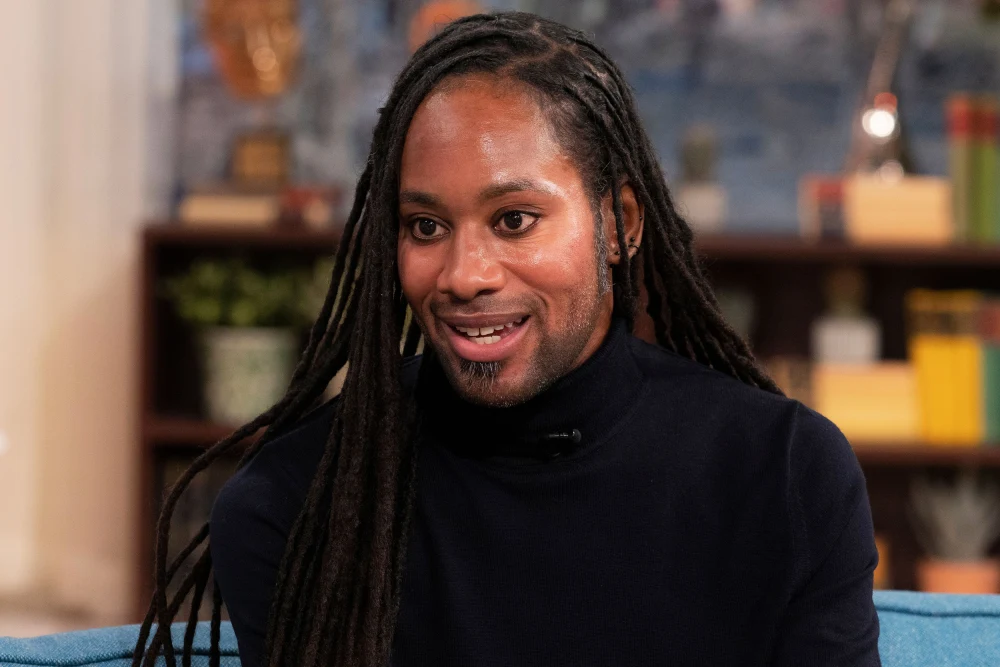
LONDON — Jason Arday, a former University of Cambridge professor whose academic career had recently come under scrutiny over allegations concerning his qualifications and research, has died at the age of 41.
Arday was found unresponsive at a property in London on Friday, according to the Metropolitan Police. Officers responded to the address shortly after 3 p.m., and he was pronounced dead at the scene.
Police said his family had been informed and was receiving support. Authorities described the death as unexpected but said it was not currently considered suspicious. An investigation is ongoing.
Cambridge Confirms Arday’s Death
University of Cambridge Vice-Chancellor Deborah Prentice confirmed Arday’s death and expressed condolences to his family and friends.
The news came only days after Arday resigned from his Cambridge position on Aug. 5 amid an investigation into questions surrounding his academic credentials and honorary appointments.
Arday joined Cambridge as a professor of sociology of education in 2023. At the time, he was widely recognized as the youngest Black professor appointed by the university.
His academic work focused heavily on race, inequality, education and social disadvantage.
Questions Raised Over Academic Work
Scrutiny of Arday intensified in recent months after questions were publicly raised about elements of his professional record.
A July report in The Times of London examined his 2015 doctoral thesis and identified passages described as identical or closely similar to material published earlier by another researcher. The allegations contributed to broader questions about his academic qualifications.
Other British media reports also questioned claims associated with Arday’s accomplishments, including statements about raising millions of pounds for charity through endurance sporting challenges.
Cambridge subsequently launched an investigation into the circumstances surrounding his appointment and his time at the university.
The university said an independent review of its processes would also be conducted alongside the investigation into Arday.
Arday Described Intense Public Pressure
In his resignation statement, Arday said his time at Cambridge had been deeply meaningful but that the level of public scrutiny had become overwhelming.
He argued that the criticism had gone beyond normal academic disagreement and had taken a significant personal toll on him and his family.
Arday maintained that leaving Cambridge was not an end to his professional ambitions but rather the conclusion of a difficult chapter.

A Career Marked by an Unusual Personal Journey
Arday had previously spoken openly about being diagnosed with autism during childhood and experiencing significant developmental challenges.
He reportedly did not begin speaking until the age of 11 and later developed an academic career focused on social inequality and education.
His personal story became a central part of his recently published memoir, Great and Unfortunate Things, which was released in the United States earlier this week.
The book recounts his childhood experiences, educational journey and the support he received from his family and others who helped him overcome substantial early challenges.
Colleague Says Arday Felt Under Siege
Simon Baron-Cohen, a Cambridge professor and director of the university’s Autism Research Centre, said he had spoken with Arday only hours before his death.
According to Baron-Cohen, Arday felt he had become the target of an intense campaign and believed the controversy had severely damaged his life.
Baron-Cohen also said the scrutiny had generated a large volume of media requests and placed considerable pressure on Arday.
The circumstances surrounding Arday’s death remain under investigation. Police have not indicated that they suspect foul play.
Cambridge’s investigation into the circumstances of his appointment and the university’s handling of the matter is continuing.