

















The Democratic Party is entering a crucial period ahead of the 2026 midterm elections, with recent primary contests highlighting both the growing influence of progressives and the challenges of building a broader coalition capable of winning competitive races.
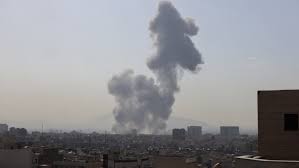
At the same time, the Trump administration is facing mounting questions over the U.S. military campaign against Iran, including the strain on service members and the economic consequences of the conflict.
Democratic Primaries Reveal a Party at a Crossroads
Recent Democratic primary results have demonstrated the strength of the party’s progressive wing while also underscoring divisions over how far left candidates should move heading into the general election.
In Michigan, Abdul El-Sayed emerged from a closely fought Democratic contest and now faces the challenge of turning progressive enthusiasm into support from a wider electorate. Minnesota also delivered a significant result for progressives, with Lt. Gov. Peggy Flanagan securing her party’s nomination for the Senate race.
However, the primary outcomes do not necessarily represent a sweeping mandate for the progressive movement. Several contests have been decided by narrow margins, showing that Democratic voters remain divided over the party’s direction.
That tension is increasingly visible in debates surrounding immigration, healthcare, economic policy, criminal justice and other issues that could shape the party’s national campaign.
Democrats Weigh Progressive Priorities Against Swing-Voter Appeal
With November approaching, Democratic candidates are facing a familiar political challenge: maintaining enthusiasm among the party’s progressive base while attracting independent and moderate voters.
Some candidates have already begun emphasizing broader coalition-building rather than focusing exclusively on progressive priorities. Wisconsin Democratic nominee David Crowley, for example, has argued for a broad Democratic coalition as the party seeks to compete effectively in the general election.
The debate could become even more consequential if Democrats regain control of either chamber of Congress.
House Democratic Leader Hakeem Jeffries would face the task of managing competing factions within the party if Democrats win enough seats to take control of the House. Progressive lawmakers are likely to push for action on healthcare, immigration and criminal justice, while more moderate members may prioritize policies designed to appeal to voters in competitive districts.
The outcome could influence not only the 2026 midterms but also the Democratic Party’s broader strategy heading into the 2028 presidential cycle.
Trump Defends Military Deployment as Iran Conflict Intensifies
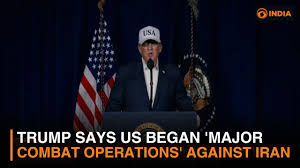
The political debate comes as President Donald Trump faces growing questions about the continuing U.S. military involvement in the Middle East.
Concerns have emerged among families of sailors serving aboard the USS Abraham Lincoln, who have described difficult conditions during the ship’s extended deployment. Reports have raised concerns about shortages and the mental health of personnel serving aboard the carrier.
Asked whether the deployment had lasted too long, Trump rejected the concern and indicated that the operation would continue.
The USS George Washington is expected to replace the Abraham Lincoln in the region, according to U.S. officials.

The situation has added pressure on the administration to address the condition of military personnel while maintaining its broader strategy toward Iran.
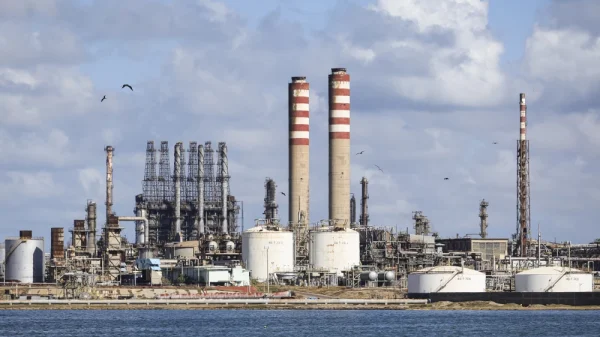
Oil Prices and Nuclear Concerns Remain Central to U.S. Strategy
Vice President JD Vance has identified keeping energy prices affordable for Americans as a major objective of the administration’s Iran policy.
Vance has also said that preventing Iran from obtaining a nuclear weapon remains a key U.S. goal. Iranian officials have maintained that the country does not intend to develop such a weapon.
The administration’s explanation for the conflict has evolved over time, with officials pointing to several objectives, including responding to unrest inside Iran, weakening its nuclear capabilities and applying pressure on its government.
A major economic concern is the Strait of Hormuz, a strategically important waterway through which a substantial portion of global energy supplies has historically passed.
Any prolonged disruption in the region could affect global oil markets and place additional pressure on consumers and businesses.
Other Major Political Developments
Several other developments are shaping the U.S. political landscape:
- South Carolina Senate race: Republican Rep. Russell Fry has endorsed Sen. Darline Graham in the runoff for a Senate seat following the death of her brother.
- Ohio competition: Democrat Brian Poindexter is attempting to build an unusual coalition as he competes in an increasingly competitive race against Republican Rep. Max Miller.
- Florida Republican dispute: Gov. Ron DeSantis has declined to endorse Rep. Cory Mills as Mills faces investigations by federal authorities and the House Ethics Committee. Mills has denied wrongdoing.
- World War II Memorial case: A woman accused of damaging the memorial in Washington has been arrested and faces felony charges.
- White House ballroom: President Trump has asked the Supreme Court to permit construction of a large ballroom project near the White House.
What Comes Next
For Democrats, the months ahead will test whether the party can transform progressive energy into a broad electoral coalition. The November elections could determine control of Congress and provide an early indication of the political forces likely to shape the 2028 presidential race.
For the Trump administration, the Iran conflict presents a different but equally significant challenge. Military readiness, energy prices, regional security and the possibility of a prolonged confrontation with Tehran will remain major issues for policymakers and voters.
Together, the two stories highlight the competing forces shaping American politics in 2026: an opposition party debating its future while the administration in power confronts the domestic and international consequences of its policies.