
















Iran has pushed back against expectations of an imminent breakthrough in negotiations with the United States, even as both sides signal limited progress in efforts to end the ongoing conflict and stabilize the region.
The comments come amid intensified diplomacy involving Washington, Tehran, and regional mediators, with uncertainty still surrounding a potential framework deal aimed at de-escalation and restoring stability to key global trade routes.
Tehran Tempering Expectations on Deal Timeline
Iranian officials said on Monday that while discussions with the U.S. have advanced in several areas, it is too early to expect an agreement.
Foreign ministry spokesperson Esmail Baghaei emphasized that negotiators are still working through major unresolved issues and cautioned against assumptions that a formal deal is close to being signed.
He added that the talks remain focused on ending hostilities and that key technical and political details are still under discussion.
Contrasting Signals from Washington
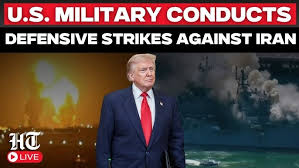
In Washington, Secretary of State Marco Rubio suggested that a deal could potentially be finalized quickly, even within a single day, while warning that failure in talks could prompt alternative actions by the United States.
President Donald Trump has also sent mixed signals, at times expressing optimism about negotiations while cautioning that talks should not be rushed and could collapse if core demands are not met.
U.S. officials have indicated that any agreement would require Iran to halt efforts toward developing nuclear weapons and address concerns over its enriched uranium stockpile.
Key Issues in the Negotiations
At the center of the discussions is a proposed framework that would require Iran to limit or eliminate enriched uranium holdings, a major sticking point in previous rounds of diplomacy.
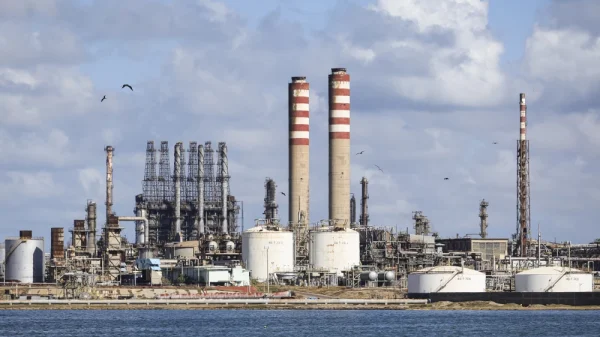
Another critical issue is the status of the Strait of Hormuz, a vital global shipping route that has been heavily affected by regional tensions and disruptions during the conflict.
U.S. officials have suggested that a successful agreement would aim to restore safe maritime traffic through the waterway while easing military pressures in the region.
Regional Mediation Intensifies
Diplomatic efforts have expanded beyond Washington and Tehran, with Qatar and Pakistan playing increasingly active roles in facilitating communication between the two sides.
Iranian negotiators, including senior political and foreign ministry officials, have recently traveled to Doha for continued discussions as part of ongoing mediation efforts.
These talks are being closely monitored by regional and global stakeholders due to their potential impact on energy markets and international security.
Cautious Outlook Amid Market and Political Pressure
Despite signs of limited progress, Iranian officials insist that no final agreement is imminent, underscoring the complexity of the negotiations and the unresolved gaps between both sides.

Global markets have reacted to shifting expectations, with oil prices fluctuating in response to optimism and uncertainty surrounding the outcome of the talks.
Analysts warn that while a framework agreement may eventually emerge, translating it into a fully implemented deal could take weeks or even months of additional negotiation.