





















Emergency crews in southwestern Japan continued round-the-clock rescue operations on Thursday as hopes of locating more survivors faded following a powerful earthquake that has killed at least 23 people and injured dozens more.
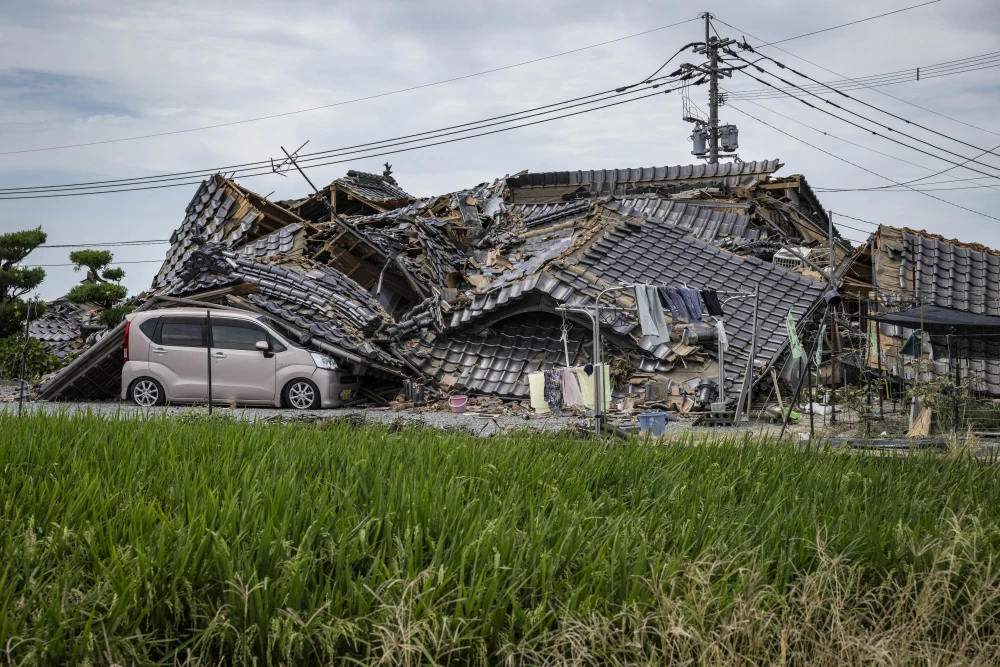
The magnitude 7.1 earthquake struck Kumamoto Prefecture on the island of Kyushu on Tuesday, causing widespread destruction across several towns. Homes collapsed, commercial buildings suffered severe structural damage, and critical infrastructure was disrupted, forcing thousands of residents to seek refuge in emergency shelters.
Local authorities reported that at least 63 people were injured, including five who remain in serious condition. Search teams are still working at multiple disaster sites, although officials have not confirmed how many people remain missing.
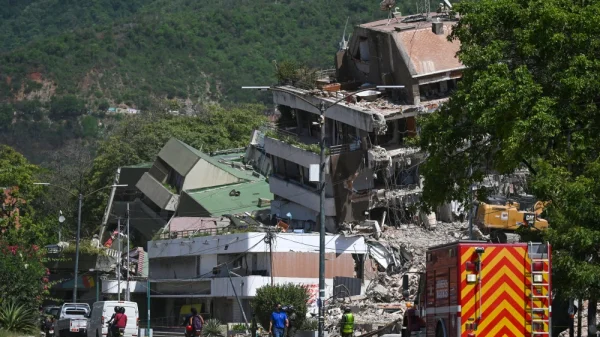
One of the most devastating incidents occurred at a shopping mall in Kashima, where a section of the building collapsed after an explosion during the earthquake. The mall had been crowded with shoppers at the time of the disaster, but employees managed to evacuate thousands of customers before part of the structure gave way.
Emergency responders have recovered several victims from the debris, while rescue operations continue for those who remain unaccounted for. Families gathered near the site are anxiously awaiting updates from officials as specialized rescue teams search through the rubble.
Another heavily affected location was a paper manufacturing facility in Yatsushiro, where a large factory chimney collapsed during the quake. Rescue workers successfully pulled several employees to safety, but authorities confirmed multiple fatalities and said one worker remains missing.
The earthquake has also left significant damage to public utilities. Nearly 23,000 households remain without electricity, while thousands of residents are staying in approximately 400 evacuation centers established across the affected region. Officials are supplying additional generators and cooling equipment to shelters as high summer temperatures continue.
Many residents have chosen not to return to their homes because of structural concerns and the possibility of aftershocks. Older wooden houses, which are more vulnerable to seismic activity despite Japan’s strict modern building regulations, suffered extensive damage in several communities.
Government agencies, firefighters, police officers and disaster response teams continue to coordinate rescue efforts, restore essential services and assess damage across Kumamoto Prefecture. Authorities have urged residents to remain alert for aftershocks while recovery operations continue.
The earthquake has once again highlighted Japan’s vulnerability to powerful seismic events and the importance of disaster preparedness in one of the world’s most earthquake-prone countries.