




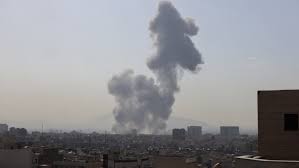













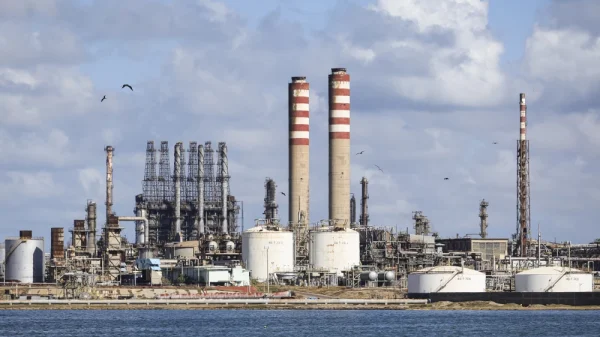




March 2, 2026 — American drivers could soon see higher prices at the pump after crude oil surged in response to U.S. and Israeli military strikes on Iran over the weekend.
Oil markets reacted sharply when trading opened Sunday night. U.S. benchmark crude jumped more than 10% at one point, while Brent crude, the international standard, climbed as much as 13%. Although gains moderated within hours, both benchmarks remained more than 5% higher late Sunday, adding over $3 per barrel to U.S. crude prices.
How Oil Prices Affect Gas at the Pump
Retail gasoline prices typically rise about 2.5 cents for every $1 increase in crude oil. With oil up several dollars per barrel, analysts say drivers could see prices increase by nearly 10 cents per gallon in the coming days.
Patrick De Haan, an analyst with GasBuddy, said stations may begin adjusting prices immediately.
“It won’t be a spike,” he noted, but added that consumers will likely notice steady increases throughout the week as higher wholesale costs filter through to retailers.
Oil prices had already climbed roughly 17% this year amid heightened tensions between Washington and Tehran and expanded U.S. sanctions targeting Iranian exports.
Strait of Hormuz Raises Global Supply Fears
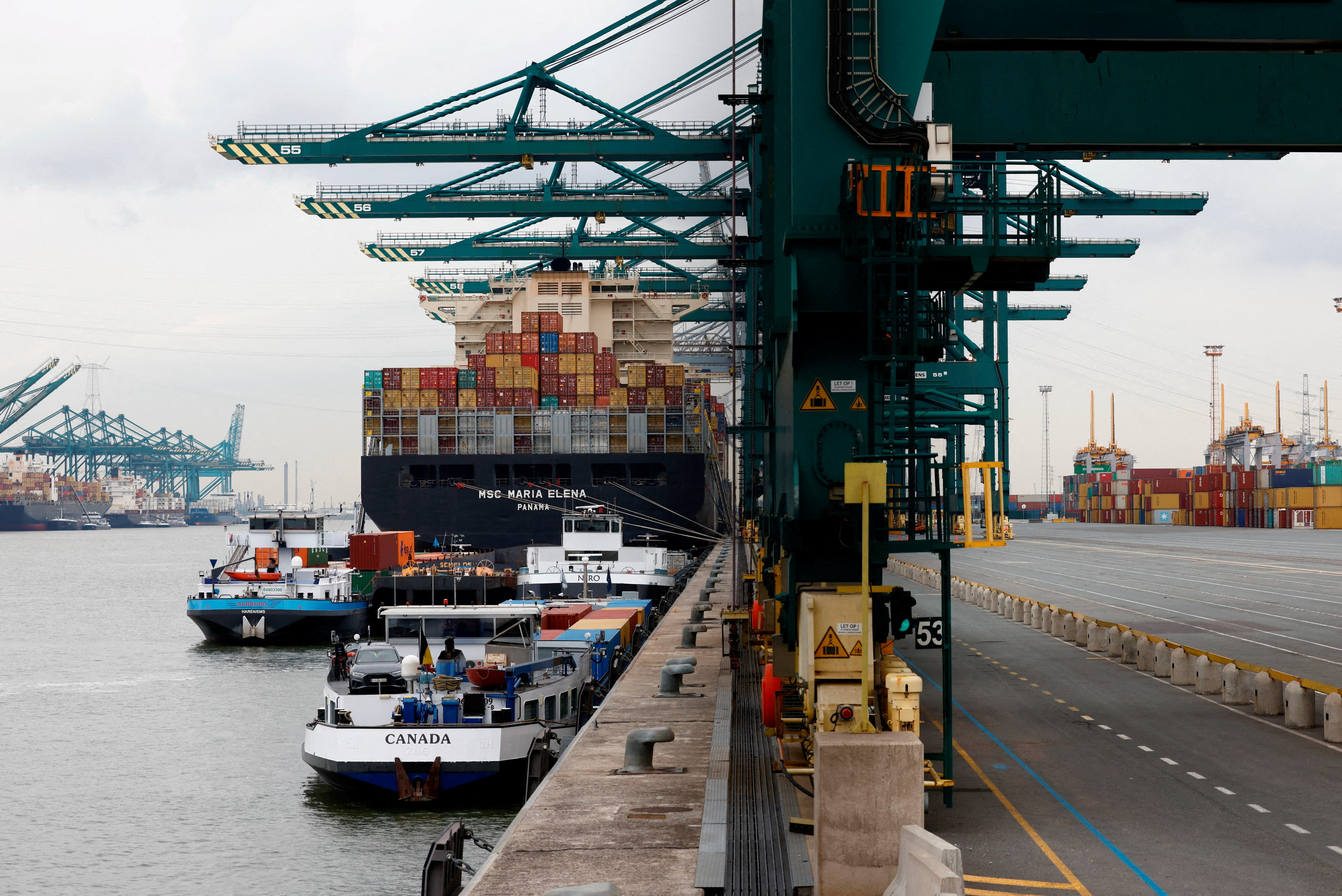
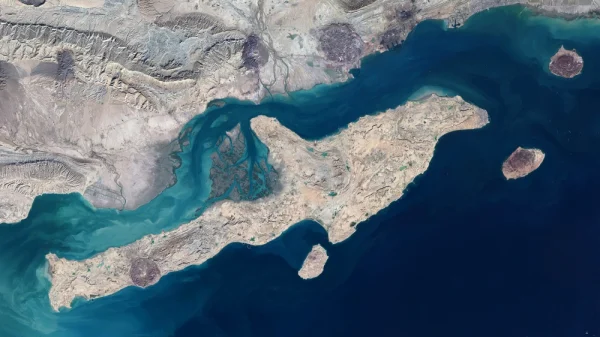
A key concern for energy traders is the security of the Strait of Hormuz, a narrow waterway linking the Persian Gulf to global markets. More than 20% of the world’s daily oil consumption moves through the strait.
Although Iran accounts for less than 5% of global oil production—much of which is exported to China due to U.S. sanctions—its geographic position gives it considerable influence over the passage. Any closure or restriction could significantly disrupt global supply.
At least six major shipping companies have reportedly paused or rerouted vessels that were scheduled to transit the area, adding to market anxiety.
Broader Market Reaction
The energy shock reverberated through financial markets. U.S. stock futures pointed lower ahead of Monday’s trading session, with contracts tied to the S&P 500 down about 0.8%, Nasdaq 100 futures off 1%, and Dow futures declining by more than 400 points.
Investors shifted toward traditional safe-haven assets. Gold prices surged nearly 2.5%, rising more than $120 per ounce. The U.S. Dollar Index also edged higher.
Meanwhile, eight oil-producing nations within the OPEC+ alliance announced plans to raise output by more than 200,000 barrels per day starting next month, an effort to stabilize prices. Whether that increase will be sufficient depends largely on how long tensions persist and whether supply disruptions escalate.
Natural Gas and Global Energy Risks
The impact may not be limited to crude oil. Qatar, one of the world’s leading exporters of liquefied natural gas (LNG), also relies on shipping routes through the Persian Gulf. Reports of LNG tankers diverting away from the region have pushed natural gas prices up about 2% in early trading.
Analysts warn that sustained instability could drive broader increases in fuel and energy costs, particularly in Europe, where LNG plays a crucial role in power generation.
What Happens Next?
Market strategists say oil’s trajectory will hinge on four key factors: the scale of supply disruption, the duration of any interruption, the ability of other producers to offset losses, and the potential for further escalation.
Historically, geopolitical oil shocks tend to fade if tensions ease quickly. However, if the current conflict deepens or disrupts shipping through the Strait of Hormuz for an extended period, consumers worldwide could face prolonged energy price volatility.

For now, motorists should prepare for modest but noticeable increases at the pump as early as this week.