



















A controversial legal battle over birthright citizenship in the United States is gaining momentum as Donald Trump’s administration turns to a 19th-century Supreme Court ruling to defend its position—an argument many legal experts say is flawed.
Historic Case Reemerges in Modern Debate
At the center of the dispute is Elk v. Wilkins, a ruling that denied citizenship to a Native American man, John Elk, despite being born on U.S. soil.
In the 1884 decision, the Supreme Court held that Native Americans born within U.S. territory were not automatically citizens because they were considered members of sovereign tribal nations rather than fully subject to U.S. jurisdiction.
The Trump administration is now citing this case to support efforts to limit automatic citizenship for children born in the U.S. to non-citizen parents.
Executive Order Targets Birthright Citizenship
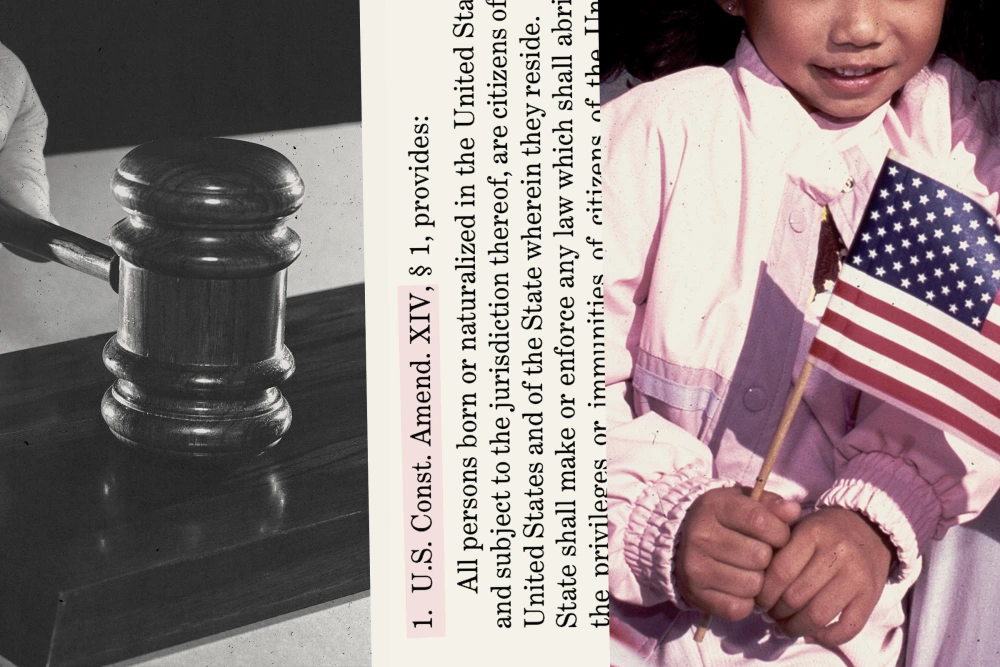
Trump’s executive order, issued at the start of his second term, seeks to redefine the interpretation of the Fourteenth Amendment. Specifically, it argues that the clause granting citizenship to those “born … and subject to the jurisdiction” of the United States does not apply to children of undocumented immigrants or temporary visa holders.
The policy would restrict birthright citizenship to individuals with at least one parent who is a U.S. citizen or lawful permanent resident. However, the order has been blocked by lower courts and is now under review by the Supreme Court.
Legal Experts Reject Government’s Argument
Scholars specializing in Native American law widely dispute the administration’s reliance on the Elk ruling. They argue the case is narrowly focused on the unique legal status of Native American tribes and does not apply to immigration or modern citizenship law.
Experts emphasize that Native American tribes historically held a distinct “quasi-sovereign” status, which shaped the court’s reasoning in the 19th century. As such, they say extending that logic to immigrant families reflects a misunderstanding of both constitutional law and Indigenous legal history.
Civil Liberties Groups Push Back
The American Civil Liberties Union is leading the legal challenge against Trump’s order, arguing that it undermines long-standing constitutional protections.
Opponents maintain that birthright citizenship has been clearly established for over a century and applies broadly to nearly all individuals born on U.S. soil, regardless of their parents’ immigration status.
Key Precedent Points in Opposite Direction
Critics of the administration’s position highlight a later Supreme Court ruling, United States v. Wong Kim Ark, which affirmed that a child born in the U.S. to foreign parents is a citizen at birth.
In that decision, the court explicitly distinguished the Elk case, clarifying that it applied only to Native American tribal members and did not limit citizenship for others born within the country.
A High-Stakes Constitutional Showdown
The Supreme Court’s upcoming review of the case could have far-reaching implications for immigration policy and constitutional law in the United States.
At stake is not only the interpretation of a key constitutional amendment but also the future of a principle that has defined American citizenship for generations.