























Dubai / Washington — The United Arab Emirates has announced its decision to leave the Organization of the Petroleum Exporting Countries (OPEC), a major geopolitical shift that comes amid escalating tensions in the Gulf and rising global oil prices fueled by the ongoing Iran conflict.
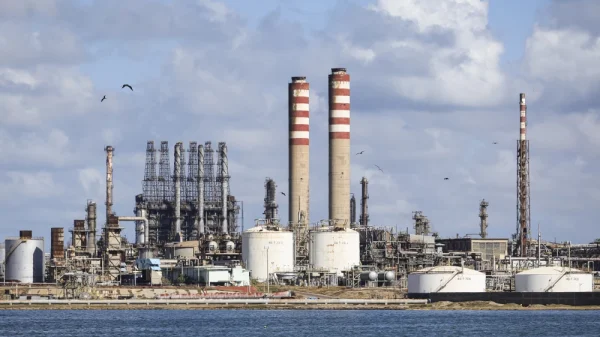
The move marks a significant turning point for the oil-producing alliance, as the UAE has long been one of its most influential members and the third-largest producer within the group after Saudi Arabia and Iraq.
UAE Signals Move Toward Independent Oil Policy
In a statement issued through its state-run news agency, the UAE said it would continue to increase oil production in a “gradual and measured manner,” aligned with global demand and market conditions.
The country, which has been a member of OPEC since 1971, indicated that it plans to pursue a more flexible energy strategy outside the group’s coordinated output system.
Analysts say the exit is likely to pave the way for higher independent production, although logistical disruptions in the region could delay immediate supply increases.
Energy expert Jorge Leon of Rystad Energy described the decision as a major structural shift, warning that it could weaken OPEC’s long-term influence over global oil supply management.
Iran Conflict Disrupts Key Shipping Route
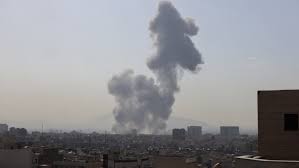
The announcement comes as tensions in the Middle East continue to escalate, with the Strait of Hormuz — a critical global oil shipping chokepoint — facing ongoing disruptions due to the Iran conflict.
The waterway handles a significant share of the world’s crude oil exports, and any instability in the region has immediate consequences for global energy markets.
Despite UAE plans to expand output, analysts caution that restricted maritime access could limit how quickly additional supply reaches international buyers.
Oil Prices Surge Above $100 Per Barrel
Following stalled diplomatic efforts related to the Iran situation, global oil prices have surged sharply.
U.S. crude oil (West Texas Intermediate) climbed above $100 per barrel for the first time in weeks, while Brent crude rose to nearly $113 per barrel in early trading.
The spike reflects growing concerns over supply disruptions and reduced exports from the Persian Gulf region, which energy analysts estimate has seen millions of barrels per day impacted by the conflict.
Gasoline Prices Climb in the U.S.
The impact of rising crude prices is already being felt at the pump. According to AAA, the average price of gasoline in the United States has risen to $4.18 per gallon, the highest level recorded so far this year.
Energy analysts warn that further increases could follow if supply constraints persist, particularly as seasonal demand rises during the U.S. summer driving period.
Global Forecasts Point to Continued Volatility
Major financial institutions have revised their oil price forecasts upward in response to escalating instability in the Gulf.

Goldman Sachs has raised its year-end projection for U.S. crude and Brent oil, citing the likelihood of prolonged supply disruptions and slower production recovery. Citi analysts have gone further, suggesting that Brent crude could temporarily reach as high as $150 per barrel under extreme conditions.
The banks also estimate that a significant portion of crude production in the Persian Gulf region has been affected by the conflict, contributing to tightening global supply.
Aviation and Fuel Markets Also Impacted
The surge in oil prices is also affecting the aviation sector. Airlines across Asia and Europe have begun reducing capacity as jet fuel costs rise.
Analysts expect further pressure on fuel markets as demand for refined products such as diesel and jet fuel increases alongside seasonal consumption trends.
Strategic Shift Reshapes Energy Landscape
The UAE’s departure from OPEC represents one of the most significant changes in global energy governance in decades. Experts suggest it could signal a broader shift toward more independent production strategies among major oil producers.
However, with geopolitical tensions continuing in the Gulf and key shipping routes under strain, the global energy market is expected to remain highly volatile in the months ahead.