























Kyiv reports unprecedented surge in intercepted drone attacks while expanding long-range strike capability against Russian targets
Ukraine has announced that its air defense forces intercepted more than 33,000 Russian drones in March, marking the highest monthly total since the start of Russia’s full-scale invasion more than four years ago. The figures were released by Ukraine’s defense leadership, underscoring the escalating intensity of drone warfare across the frontline.
Massive Spike in Drone Interceptions
According to Ukrainian defense officials, interceptor systems played a key role in neutralizing a wide range of Russian unmanned aerial vehicles throughout March. The reported figure represents a record-breaking level of drone activity, highlighting Russia’s continued reliance on aerial surveillance and strike drones in the conflict.
Kyiv says the achievement reflects significant improvements in its layered air defense network, which has been rapidly upgraded since the early months of the war.
Ukraine Expands Drone Warfare Capabilities
Alongside defensive gains, Ukraine is also strengthening its offensive drone operations. Long-range Ukrainian drones recently struck a Russian oil refinery and terminal on the Black Sea coast for the third time in under two weeks, according to Ukrainian military sources. The repeated attacks triggered evacuations in nearby areas and prompted warnings from Russian officials about potential environmental risks.
Ukrainian authorities stated that their domestically developed unmanned systems have become a central element of battlefield strategy, helping offset Russia’s numerical military advantage while attracting international interest from defense partners.
Deep-Strike Reach More Than Doubles
Ukraine’s Defense Ministry reported that its long-range strike capability has expanded significantly since the beginning of the war in 2022. At the start of the conflict, Ukrainian systems could target positions roughly 630 kilometers behind enemy lines. That range has now increased to around 1,750 kilometers, enabling strikes on infrastructure deep inside Russian territory.
These operations have increasingly focused on energy facilities, including oil refineries and industrial sites that support Russia’s military logistics and war financing.
Continued Attacks on Energy Infrastructure
One of the latest reported strikes hit the Russian port city of Tuapse on the Black Sea, where an oil refinery was targeted for the third time this month. Regional officials in Russia confirmed damage and reported evacuations near the facility due to fire and spill risks. Moscow warned that repeated strikes on energy infrastructure could lead to environmental consequences.
Ukrainian forces say such facilities are legitimate military targets due to their role in sustaining Russia’s defense operations.
Heavy Drone Warfare on Both Sides
The Russian Defense Ministry stated that its air defense systems intercepted nearly 200 Ukrainian drones overnight across multiple regions, including occupied Crimea and areas near the Black Sea. Meanwhile, regional Russian officials reported casualties from drone strikes in border areas.
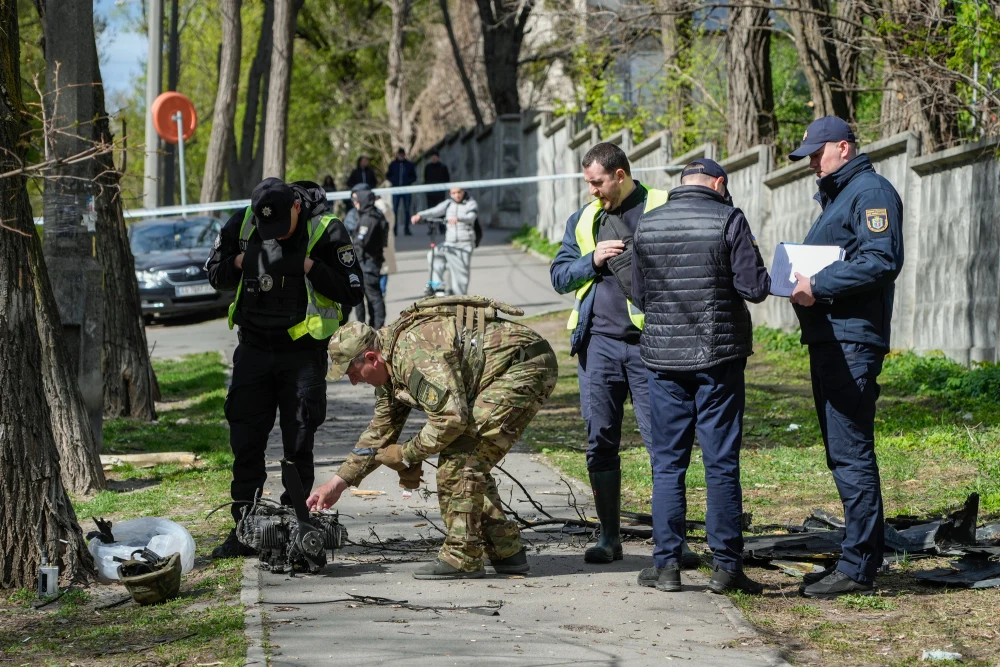
Ukraine also reported civilian casualties caused by Russian drone attacks, including fatalities and injuries in multiple cities such as Kryvyi Rih and Chuhuiv. A separate attack on Kyiv briefly disrupted daily life, injuring residents during a daytime strike.
Growing Global Attention on Drone Technology
Ukraine’s rapid development of drone warfare systems has drawn increasing attention from military observers worldwide. Officials in Kyiv say several countries are now exploring Ukrainian interceptor drone technology for their own defense programs, citing its effectiveness in real combat conditions.
Ukrainian authorities, including senior officials such as Mykhailo Fedorov, have emphasized that expanding drone production and coordination within the air force remains a top strategic priority.
Meanwhile, Ukrainian leadership under Volodymyr Zelenskyy continues to prioritize long-range strike development as part of its broader defense strategy.