






















China’s economy expanded by 5% in the first quarter of 2026, outperforming analyst expectations and showing resilience despite global uncertainty linked to the ongoing Iran war and rising energy prices.
The latest figures, released by the government on Thursday, indicate that the world’s second-largest economy maintained steady momentum compared with 4.5% growth in the previous quarter.
Stronger-Than-Expected Growth in Early 2026
According to official data, China’s economic output rose 5% year-on-year between January and March, a period during which the Iran conflict escalated and began affecting global markets.
The performance exceeded forecasts from many economists who had anticipated a slower start to the year due to external pressures and lingering domestic challenges.
The data was published by the People’s Republic of China government statistical authorities.
War and Energy Prices Create Global Headwinds
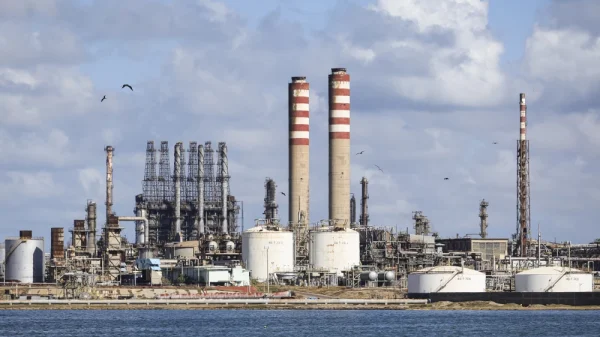
Economists say the Iran war, now in its seventh week, is contributing to higher energy costs and global inflation pressures, which could weigh on international trade and demand over time.
Despite these risks, analysts note that China has so far been able to absorb short-term shocks, supported by stable industrial output and continued export activity.
However, experts warn that prolonged conflict could begin to slow growth in the second half of the year.
Export Strength Continues to Support Growth
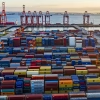
A key driver of China’s performance remains its export sector. Even amid geopolitical uncertainty, the country has maintained a strong trade surplus in recent years, fueled by manufacturing and global supply chains.
Earlier reports showed exports rose 2.5% in March compared with a year earlier, though growth has slowed from previous months, signaling weakening external demand.
Economists say rising protectionism and weaker global consumption could further reduce appetite for Chinese goods.
Structural Challenges Still Weigh on Economy
While headline growth remains near government targets, China continues to face internal economic pressures, particularly in its real estate sector. A prolonged downturn in property investment has impacted household wealth and consumer confidence.
The International Monetary Fund recently revised China’s 2026 growth forecast to 4.4%, citing both domestic constraints and global uncertainty.
Policy Support Expected to Continue
Despite challenges, analysts believe China is still positioned to meet its official annual growth target of 4.5% to 5%, largely through continued government support and investment-led stimulus.
However, some economists caution that relying heavily on public-sector investment without stronger domestic consumption could deepen longer-term structural imbalances.

As one economist noted, sustained export dependence combined with weak household demand may reinforce deflationary pressures in the economy.
Outlook: Stable for Now, but Risks Remain
For now, China’s economy appears stable despite global disruptions, but analysts warn that continued conflict in the Middle East, higher energy prices, and weakening global trade could present challenges later in the year.
While early 2026 data suggests resilience, economists say the coming quarters will determine whether China can maintain momentum in a more uncertain global environment.