
















Donald Trump has indicated he would allow a Russian oil tanker to deliver fuel to Cuba, despite his administration’s strict blockade on the island’s energy supplies.
гуманитарные Concerns Drive Shift in Tone
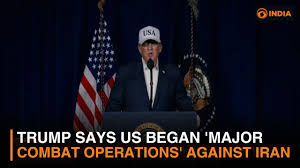
Speaking aboard Air Force One, Trump said he has “no problem” with foreign nations—including Russia—sending oil to Cuba, emphasizing the humanitarian needs of the Cuban population.
“If a country wants to send oil to Cuba right now, I have no problem,” Trump told reporters, suggesting a willingness to ease pressure in limited circumstances as the island faces severe shortages.
Tanker Nears Cuban Coast
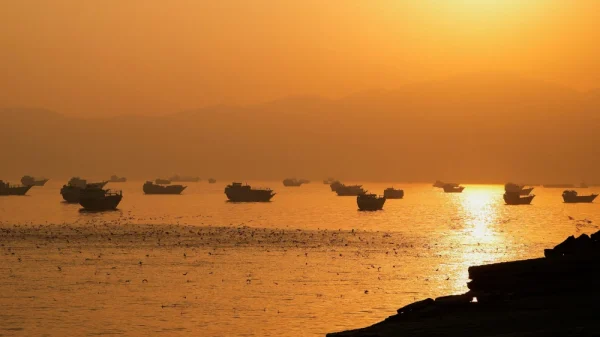
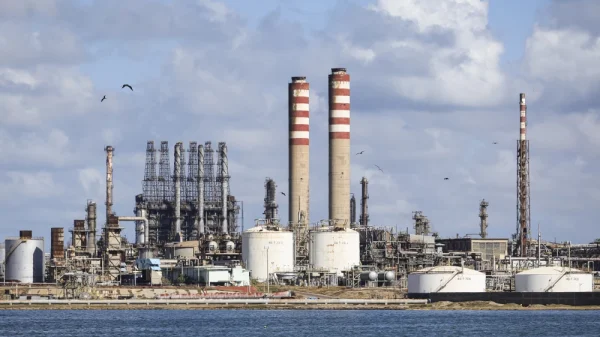
The tanker, identified as Anatoly Kolodkin, is reportedly carrying around 730,000 barrels of crude oil and is approaching Cuba’s eastern coastline. It is expected to পৌঁছা near the port city of Matanzas in the coming days.
Energy experts estimate the shipment could be refined into roughly 180,000 barrels of diesel—enough to sustain Cuba’s daily fuel needs for over a week.
Blockade Continues to Strain Cuba
The U.S. has imposed sweeping restrictions on oil shipments to Cuba as part of a broader effort to pressure the government. The policy has significantly disrupted daily life across the island, contributing to widespread blackouts, fuel shortages, and reduced public services.
Hospitals, transportation systems, and essential infrastructure have all been affected, deepening an already prolonged economic crisis.
Sanctioned Vessel Adds Complexity
The tanker involved in the shipment has been sanctioned by the United States, the European Union, and the United Kingdom in connection with Russia’s actions in Ukraine. Its involvement introduces additional geopolitical sensitivity to the situation.
Balancing Pressure and Relief
While the Trump administration has maintained a hardline stance toward Cuba, the president’s latest comments suggest a nuanced approach—allowing limited humanitarian relief while continuing broader economic pressure.
Trump reiterated that his priority is ensuring civilians have access to essential energy რესোurces, even as Washington maintains its strategic objectives in the region.
Uncertain Path Ahead
It remains unclear whether this allowance signals a temporary exception or a broader shift in U.S. policy toward Cuba. For now, the situation highlights the tension between geopolitical strategy and humanitarian concerns as the crisis unfolds.