






















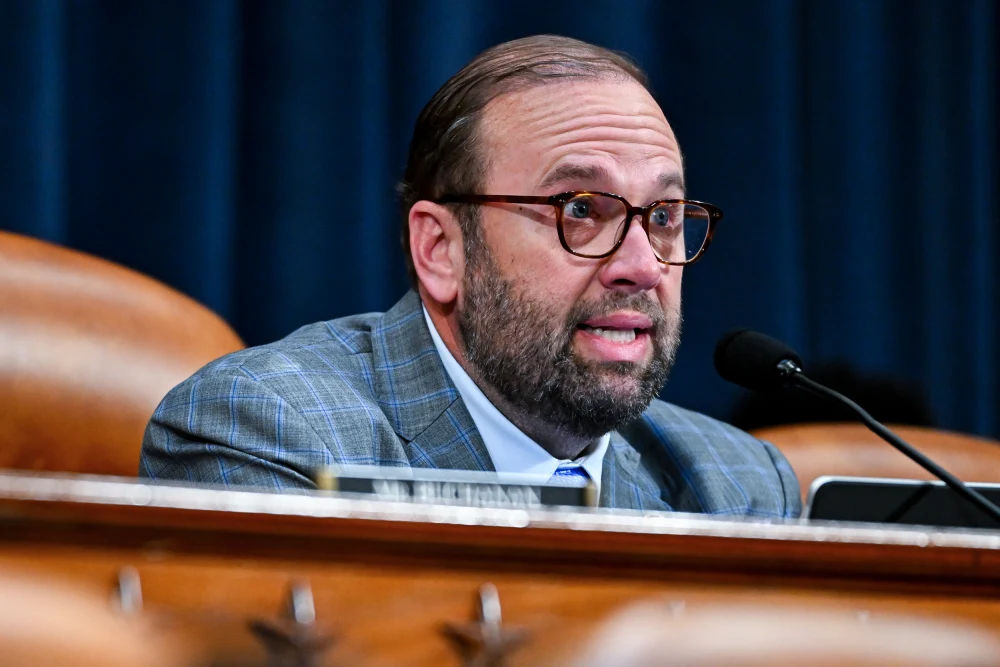
Washington, D.C. — Hospital executives faced intense questioning during a House committee hearing on Tuesday as lawmakers scrutinized rising healthcare costs and the controversial practice of charging “facility fees” for outpatient services.
Chief executives from major hospital systems, including HCA Healthcare, CommonSpirit Health, New York-Presbyterian, and ECU Health, defended their pricing structures, arguing that higher charges reflect the realities of operating large hospital networks that treat complex and high-risk patients.
Lawmakers Target Rising Healthcare Costs
The hearing, held by the House Ways and Means Committee, focused on why patients often pay significantly more for identical medical procedures when they are performed in hospital-owned facilities compared with independent clinics.
Committee chair Rep. Jason Smith (R-Mo.) said Americans are increasingly frustrated with what he described as “artificially inflated” healthcare prices, pointing to the growing financial burden on patients across the country.
Lawmakers cited examples showing stark differences in billing. In one case raised during the hearing, a colonoscopy at an independent surgical center carried a $656 facility fee, while a hospital outpatient facility charged $1,222 for the same type of procedure.
What Are Facility Fees?
Facility fees are additional charges hospitals apply to outpatient services. Unlike standard medical service fees, these charges are meant to cover overhead costs such as staffing, equipment, and facility maintenance.
Critics argue that these fees often lack transparency and can significantly increase patient bills without improving the quality of care.
Several Republican lawmakers questioned whether such charges are justified when there is no apparent difference in medical treatment between hospital-based clinics and independent physician offices.
Hospital Executives Defend Pricing Structure
Hospital leaders defended the practice, saying higher prices are necessary to offset financial pressures, including lower reimbursement rates from government programs like Medicare and Medicaid.
They also argued that hospitals are legally required to provide care to all patients, regardless of their ability to pay — a mandate that private clinics are not always bound to follow.
Michael Waldrum, CEO of ECU Health, emphasized that hospitals operate under obligations that other healthcare providers do not face.
“We are required to treat every patient who comes through our doors,” Waldrum said. “That responsibility comes with significant financial costs that must be absorbed somewhere.”
Executives also argued that hospitals often treat more complex and critically ill patients, which increases operational expenses and staffing needs.
Debate Over Fairness and Transparency
Lawmakers remained divided on the issue. Republican members pressed executives on whether patients are being overcharged for services that could be delivered at lower cost in non-hospital settings.
Rep. Greg Steube (R-Fla.) questioned why patients are billed significantly more at hospital-owned outpatient clinics compared to physician-run centers offering the same procedures.

Democratic lawmakers, meanwhile, suggested the hearing was politically motivated and criticized Republicans for focusing on providers rather than broader healthcare policy issues, including recent Medicaid cuts.
Rep. Lloyd Doggett (D-Texas) described the session as a “deflection hearing,” arguing that systemic policy decisions also contribute to rising healthcare costs.
Hospitals Under Growing Pressure
Hospitals account for nearly one-third of total U.S. healthcare spending, estimated at roughly $1.6 trillion in 2024, according to research published in Health Affairs. Additional studies have shown that patients frequently pay more for identical services when care is delivered within hospital-owned systems or private equity-backed facilities.
As scrutiny increases, lawmakers are considering whether new regulations or pricing transparency rules are needed to curb rising costs and limit facility fee charges.
Ongoing Policy Debate
The hearing highlighted a long-running national debate over healthcare affordability, hospital consolidation, and billing transparency. While lawmakers seek to reduce patient costs, hospital leaders warn that stricter regulations could threaten financial stability and limit access to care, particularly in rural and underserved areas.
No immediate policy changes were announced, but further hearings and legislative proposals are expected as Congress continues to examine hospital pricing practices.