



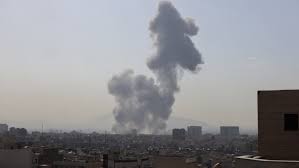
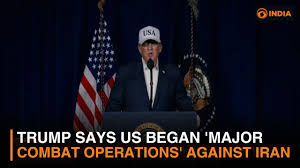















The ongoing conflict involving Iran is triggering a growing global fertilizer shortage, threatening agricultural production and pushing food prices higher worldwide.
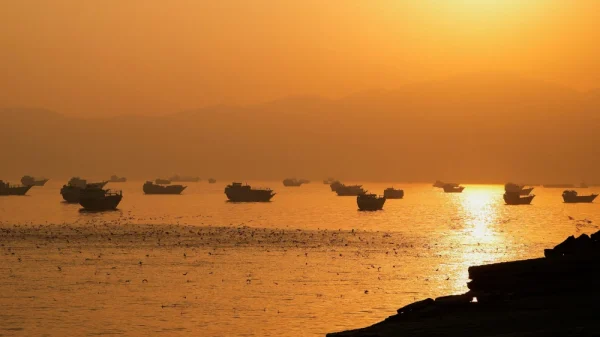
The الأزمة stems from disruptions in the Strait of Hormuz, a critical shipping route through which a significant share of the world’s fertilizer and energy supplies pass. Restrictions linked to the conflict have slowed shipments, leaving farmers scrambling for essential inputs just as planting seasons begin in many regions.
Supply Chain Disruptions Hit Key Nutrients
Fertilizers containing nitrogen and phosphate—vital for crop growth—are among the hardest hit. Nitrogen-based products like urea, widely used to boost crop yields, are facing sharp supply constraints due to shipping delays and rising natural gas costs, a key ingredient in production.
Analysts estimate that nearly one-third of global urea trade has been affected by the الأزمة, tightening supplies in both developed and developing markets.
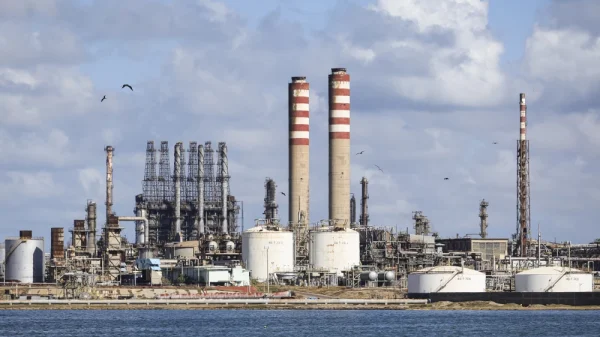
Phosphate fertilizers are also under pressure, with major producers in the Gulf region struggling to maintain exports amid ongoing instability.
Farmers Face Mounting Pressure
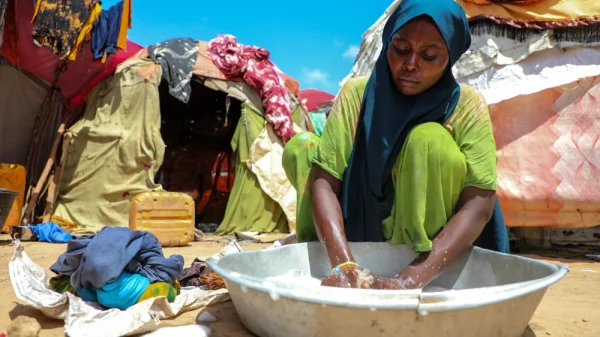
From Asia to Africa, farmers are already feeling the impact. In India, small-scale growers warn that rising costs and limited availability could threaten their livelihoods if government subsidies fail to keep pace with demand.
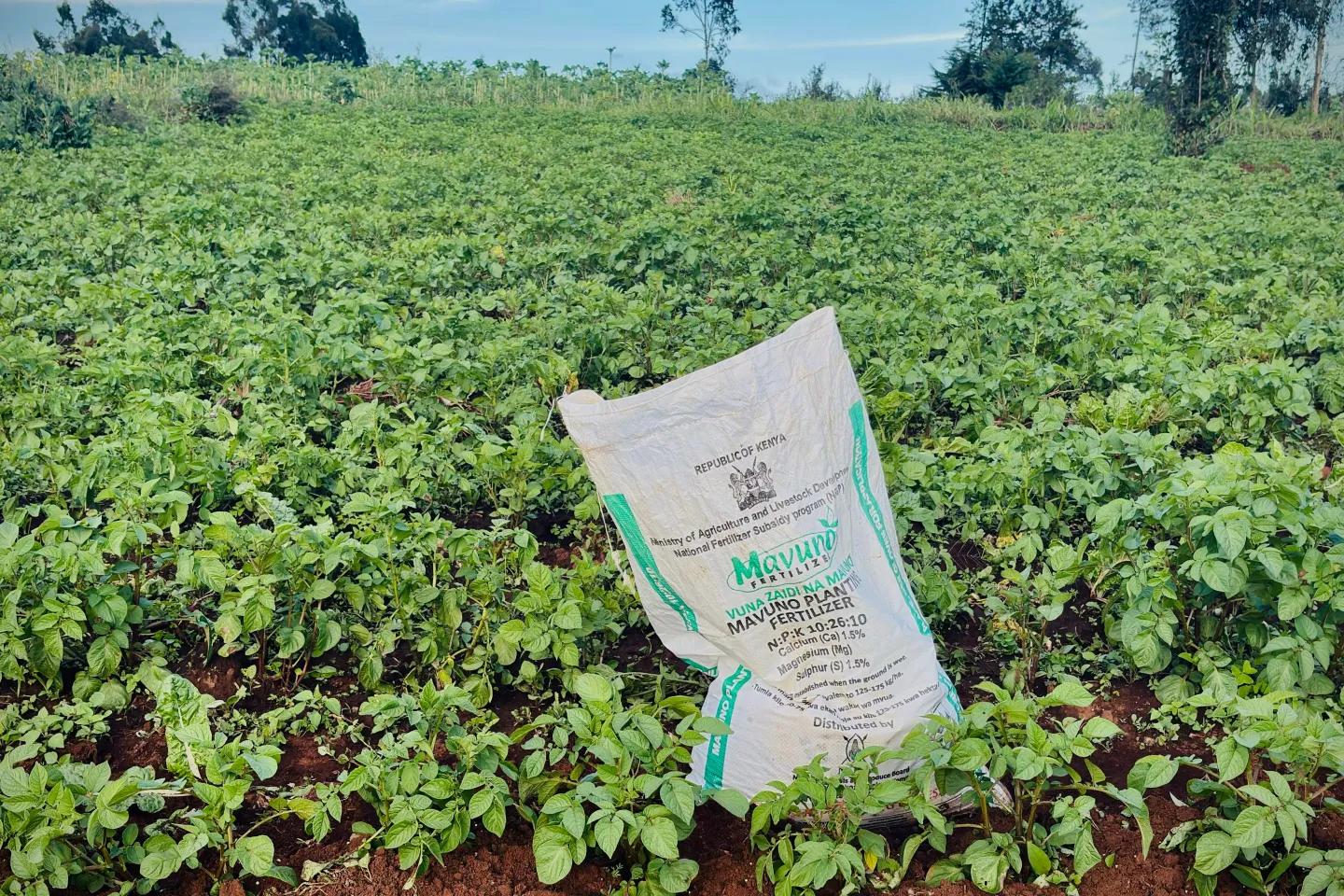
In parts of Africa, including Kenya and Ethiopia, farmers rely heavily on imports routed through Middle Eastern supply chains. Delays are arriving at a critical moment, with planting windows narrowing due to seasonal weather patterns.
Agricultural experts caution that even short disruptions during planting periods can significantly reduce crop yields, potentially leading to widespread food shortages later in the year.
Global Ripple Effects on Food Prices
The fertilizer crunch is expected to translate into higher production costs for farmers, which are likely to be passed on to consumers. Lower yields combined with tighter margins could drive up prices for staple foods globally.
In regions such as Europe and the United States, where planting seasons are already underway, farmers are being forced to make difficult choices—either reduce fertilizer use or switch to less nutrient-intensive crops.
Limited Alternatives and Long-Term Risks
Efforts to offset the supply gap face significant hurdles. China, a major fertilizer producer, is prioritizing domestic demand, while Russia is already operating near full production capacity.
Even if the conflict subsides, experts warn that restoring normal supply chains could take time. Increased shipping insurance costs and ongoing security concerns in the Gulf region may continue to disrupt trade flows.
A Fragile Food System Under Strain
The الأزمة highlights the vulnerability of global agriculture to geopolitical shocks. Fertilizer supply chains are deeply interconnected with energy markets, making them highly sensitive to conflict and price volatility.
Experts suggest that the current situation could serve as a turning point, prompting countries to invest in local production, alternative fertilizers, and more sustainable farming practices.
For now, however, farmers worldwide remain in a race against time—hoping supplies stabilize before the الأزمة translates into a full-blown global food crisis.