


















Washington: Donald Trump has indicated that his anticipated visit to China for talks with President Xi Jinping may be postponed by “a month or so,” as escalating tensions in the Middle East continue to demand his attention.
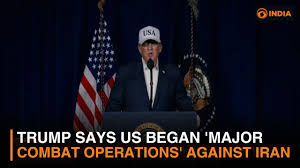
Speaking from the Oval Office, Trump said the ongoing war involving Iran makes it necessary for him to remain in Washington rather than travel abroad.
“I’d like to go, but we have a war going on,” Trump told reporters. “It’s important that I stay here for now, so we’ve asked to delay the meeting slightly.”
Uncertainty Around High-Stakes Summit
The proposed meeting in Beijing had been scheduled for later this month and was expected to address key global issues, including trade, security, and energy stability. However, U.S. officials have recently cast doubt on whether the summit would proceed as planned.
Scott Bessent earlier suggested that the trip could be rescheduled but emphasized that any delay is not intended to pressure Beijing into taking action in the Middle East crisis.
Strait of Hormuz Crisis Looms Large
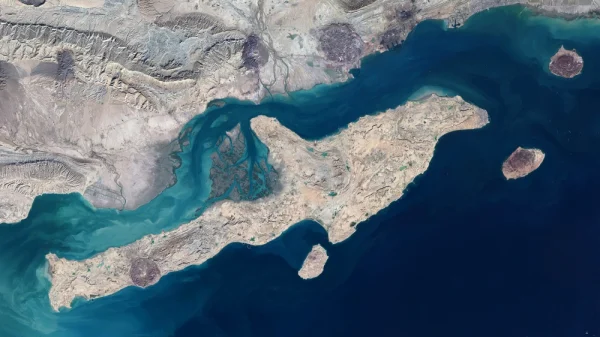
A central concern remains the situation in the Strait of Hormuz, a critical global النفط shipping route that has been severely disrupted amid the ongoing conflict. The strait typically handles about 20% of the world’s oil supply, making it vital to global energy markets.
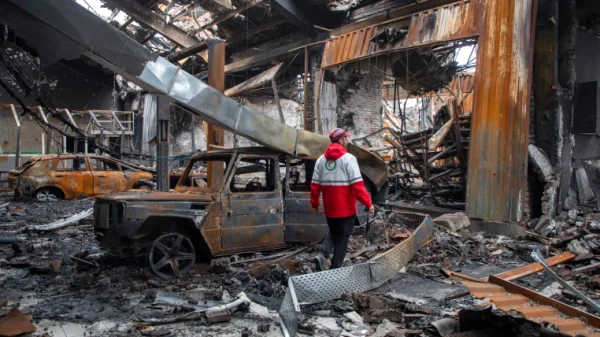
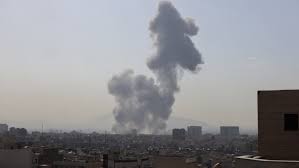
Recent attacks on commercial vessels and threats from Tehran have effectively reduced traffic through the waterway, contributing to volatility in global oil prices and raising concerns among major economies.
Trump has urged several nations—including China, Japan, France, South Korea, and the United Kingdom—to help secure the route and ensure safe passage for oil shipments.
China’s Position and Global Stakes
China, the world’s largest energy importer, has called for de-escalation while criticizing U.S. and Israeli military actions against Iran. Beijing relies heavily on Middle Eastern oil, with roughly half of its imports passing through the Strait of Hormuz.
Despite tensions, some reports indicate that vessels linked to China are still navigating the strait, highlighting the پیچیدہ dynamics of the crisis.
Strategic Implications
The potential delay of the Trump-Xi meeting underscores how the widening Middle East conflict is reshaping global diplomacy. With energy security, military strategy, and international alliances at stake, world leaders face mounting pressure to respond to rapidly evolving developments.
As the situation unfolds, the timing of the high-profile summit remains uncertain, reflecting broader geopolitical instability triggered by the ongoing war.