
















Washington, D.C. — A series of fast-approaching political, diplomatic, and economic deadlines could play a decisive role in shaping the future direction of the ongoing U.S.-Iran conflict, as the Trump administration signals interest in finding a potential off-ramp while military and financial pressure on Tehran continues to escalate.
According to analysis and reporting from NBC News, the next several weeks may determine whether the conflict expands, stabilizes, or moves toward a negotiated settlement.
White House signals possible push toward a deal
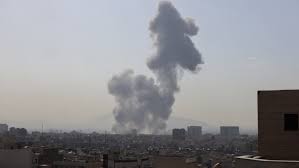
Signs from the administration suggest growing interest in de-escalation, even as the Pentagon increases its military presence in the region. Officials have reportedly deployed additional naval assets and troops as leverage while diplomatic channels remain active.
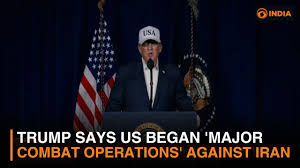
President Donald Trump has indicated publicly that a resolution could be possible in the near term, while White House officials say ongoing talks with Iranian negotiators remain fluid.
Discussions include potential extensions of a recently negotiated ceasefire and further technical-level meetings focused on sensitive issues such as Iran’s nuclear program and maritime control in strategic waterways.
Upcoming diplomatic events add pressure for resolution
One of the most closely watched milestones is an upcoming state visit involving King Charles III and Queen Camilla, which could place additional diplomatic scrutiny on the conflict. Observers note that a prolonged war could complicate U.S. relations with key allies, particularly in Europe.
Separately, a planned meeting between President Trump and Chinese President Xi Jinping scheduled for mid-May is also seen as a critical moment. The visit was previously delayed due to the Iran conflict and is expected to address broader geopolitical tensions, including energy security and global trade stability.
China has historically maintained economic ties with Iran, particularly through oil imports, making its role in the broader conflict strategically significant.
Economic pressure and energy markets in focus
Beyond diplomacy, economic concerns are becoming a key factor influencing policy decisions. The administration has intensified financial pressure on Iran, including measures targeting oil revenue flows and international banking channels tied to sanctioned transactions.
U.S. officials are also weighing additional sanctions on foreign financial institutions linked to Iranian assets, particularly in Asia and the Middle East.
Treasury officials say the strategy aims to limit Iran’s ability to fund military operations while increasing pressure on its economy through restricted energy exports.
At the same time, rising global oil prices have raised concerns about inflation and consumer costs. Administration officials have suggested that energy markets could stabilize later this year if tensions ease, potentially bringing gasoline prices down ahead of the U.S. election cycle.
War powers debate and domestic political tension
The conflict has also triggered renewed debate in Washington over presidential war powers and congressional oversight. Some lawmakers argue the administration must clarify its long-term strategy, while others support continued executive flexibility during active hostilities.
Republican divisions have emerged behind the scenes, with some senators privately expressing concern about the war’s potential political and economic consequences, including its impact on upcoming elections.
Internal GOP divisions over broader policy agenda
The Iran conflict is intersecting with other domestic political disputes, including disagreements over Federal Reserve leadership and the administration’s economic policy direction. Some Republican lawmakers have taken independent positions on key nominations and investigations, further highlighting internal party divisions.

These tensions are expected to intensify as legislative deadlines, foreign policy negotiations, and economic indicators converge over the coming months.
Outlook: a critical stretch ahead
With military operations ongoing, diplomatic negotiations in flux, and economic pressures mounting, analysts say the coming weeks represent a pivotal window for the administration.
Decisions made around upcoming diplomatic meetings, energy policy measures, and congressional oversight could ultimately determine whether the Iran conflict moves toward resolution—or deepens into a longer and more complex international crisis.