















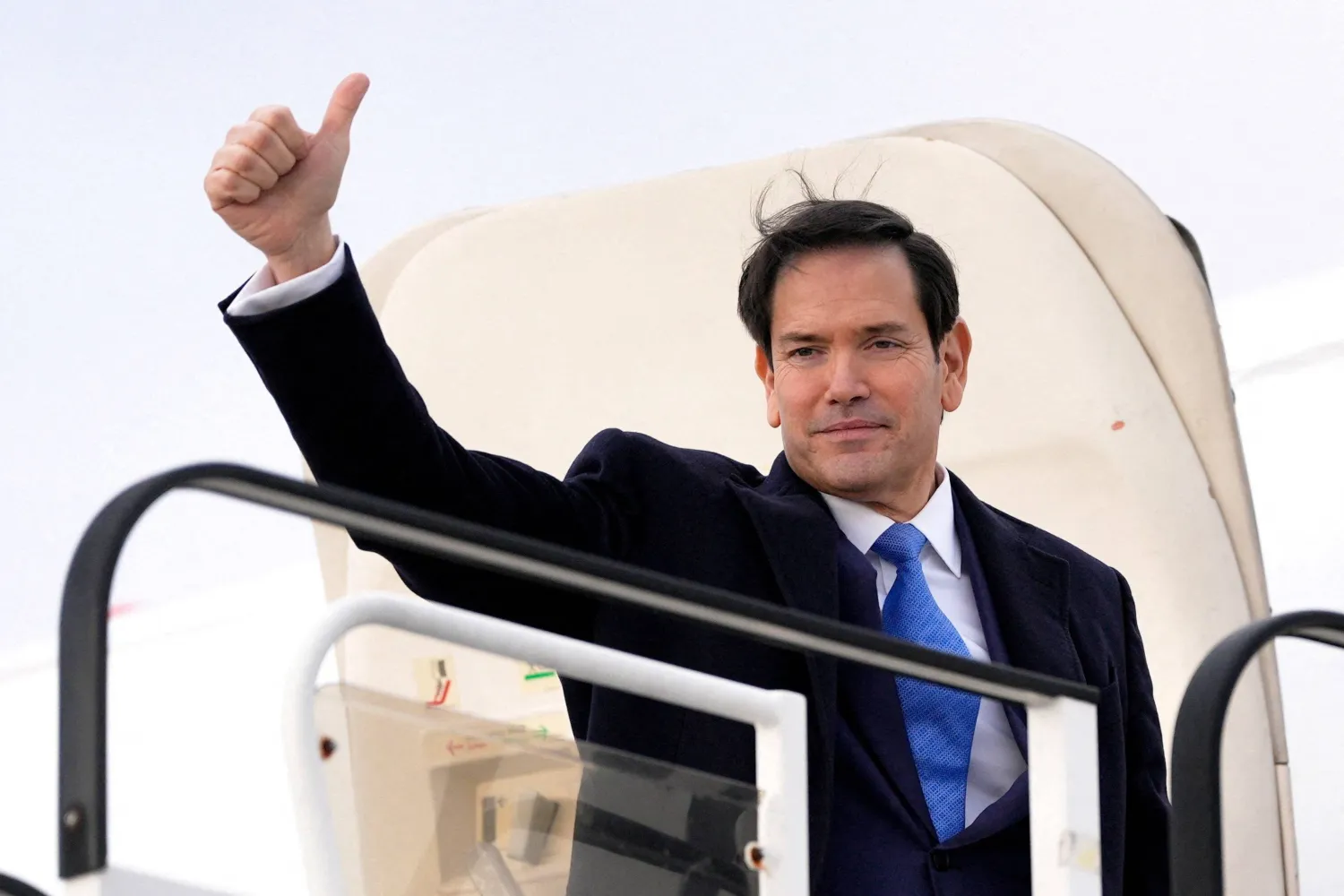
U.S. Secretary of State Marco Rubio is set to travel to Israel next week for high-level consultations with Israeli Prime Minister Benjamin Netanyahu, as Washington intensifies diplomatic efforts surrounding Iran’s nuclear program.
According to two senior U.S. officials, Rubio is expected to meet Netanyahu on February 28 to provide a detailed update on ongoing indirect negotiations between the United States and Iran. The visit has not yet been formally announced.
Geneva Talks Show Limited Progress
The United States and Iran recently completed two rounds of indirect discussions aimed at addressing concerns over Tehran’s nuclear ambitions. The talks, held in Geneva, focused on curbing Iran’s nuclear activities in exchange for potential sanctions relief.
A senior U.S. official said Iran has agreed to draft a written proposal responding to concerns raised by American negotiators during the latest round. However, no timeline has been publicly disclosed for when Tehran will submit its response.
Despite deep divisions, both sides have signaled cautious optimism. Iranian Foreign Minister Abbas Araghchi described the discussions as opening “a new window” for a possible agreement.
U.S. Vice President JD Vance echoed that mixed outlook, noting that while certain elements of the talks were constructive, significant gaps remain. He emphasized that President Donald Trump has established firm conditions that Iran has yet to fully accept.
Military Preparations Under Review
As diplomacy continues, the Trump administration is simultaneously preparing for alternative scenarios. Senior national security officials convened in the White House Situation Room this week to assess options related to Iran.
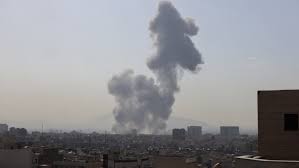
One official indicated that the necessary military assets for potential action in the region are expected to be fully positioned by mid-March. The administration has not confirmed whether military intervention is imminent but has significantly increased its regional presence.
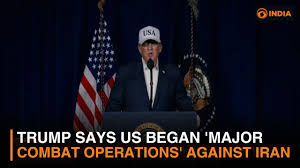
President Trump recently suggested that political change in Iran could be preferable to prolonged negotiations, underscoring his frustration with decades of stalled diplomacy.
Israel’s Security Concerns Take Center Stage
Netanyahu visited Washington last week, urging the U.S. administration to ensure that any renewed nuclear agreement addresses not only uranium enrichment but also Iran’s ballistic missile capabilities and its support for regional proxy groups, including Hamas and Hezbollah.
Israel has consistently maintained that a comprehensive agreement must tackle the broader security threats posed by Tehran, not solely its nuclear program.
Rubio’s upcoming visit is expected to reinforce coordination between Washington and Jerusalem at a pivotal moment in Middle East diplomacy. With negotiations ongoing and military options under review, the coming weeks could prove decisive for the future of U.S.-Iran relations and regional stability.