



















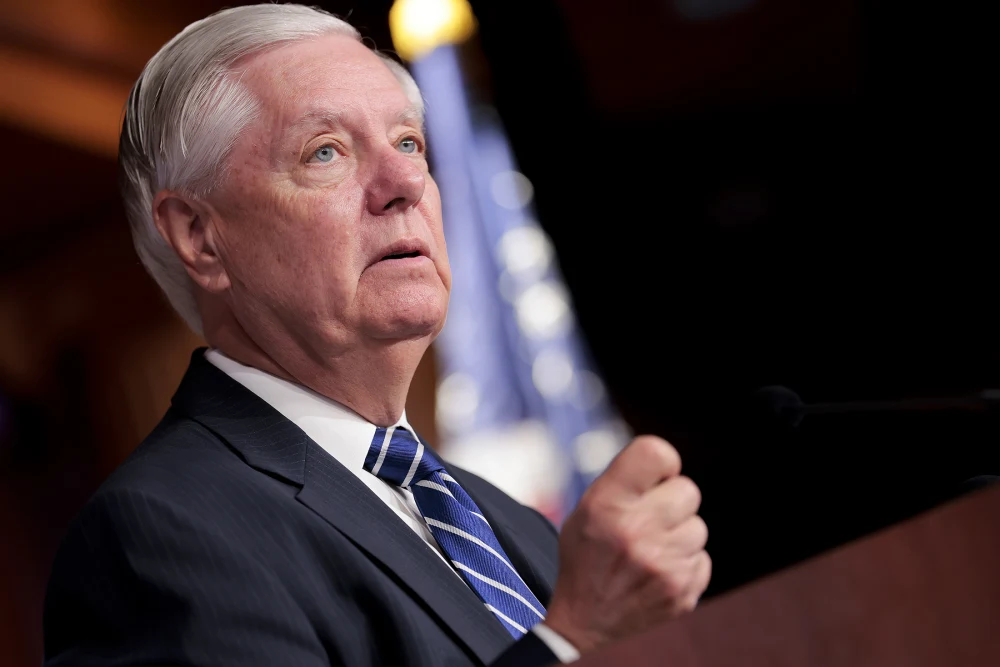
Momentum is building in the U.S. Senate to advance a bipartisan sanctions package targeting Russia, as lawmakers seek to honor the late Senator Lindsey Graham by moving forward with one of his signature foreign policy initiatives.
The revised legislation, introduced this week, aims to tighten economic pressure on Moscow by expanding sanctions against senior Russian officials, financial institutions, energy projects, and countries that continue purchasing large volumes of Russian oil and natural gas.
Revised Bill Targets Russia’s Energy Revenue
Supporters of the measure say the updated proposal is designed to reduce the financial resources Russia uses to sustain its military operations in Ukraine while addressing concerns raised about the original version of the bill.
Instead of imposing a blanket 500% tariff, the revised legislation would authorize tariffs of up to 100% on imports from the world’s five largest buyers of Russian oil and natural gas. Lawmakers said China and India are among the countries that would be most affected under the proposal.
The bill also includes exemptions for nations that obtain less than 15% of their natural gas from Russia and are actively reducing their dependence on Russian energy supplies.
Expanded Sanctions on Russian Leadership
In addition to trade measures, the legislation would impose new sanctions on Russian President Vladimir Putin, senior political and military officials, major financial institutions, and key energy infrastructure projects.
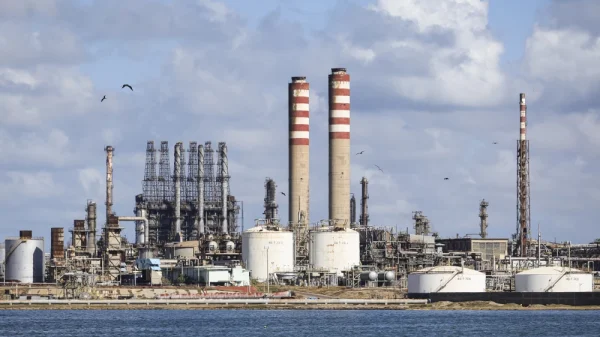
Another provision targets older oil tankers that Russia is believed to use to bypass existing international sanctions by changing vessel registrations and operating under different flags.
Lawmakers argue that closing these loopholes is essential to limiting Russia’s ability to finance its military activities.
Graham’s Legacy Drives Bipartisan Support
The sanctions package had been a top legislative priority for Senator Lindsey Graham before his death over the weekend.
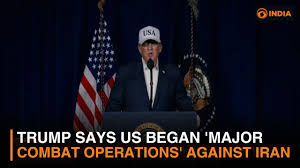
According to fellow lawmakers, Graham had recently returned from Ukraine and was encouraged by discussions with President Donald Trump regarding White House support for the proposal.
Senator Richard Blumenthal, who co-sponsored the legislation, suggested the bill could be named in Graham’s honor, describing it as an appropriate tribute to his years of advocacy for stronger action against Russia.
“He believed this legislation could make a meaningful difference,” Blumenthal said.
Broad Backing in Congress
The proposal has already attracted support from more than two dozen senators, with additional lawmakers expected to join in the coming days.
Senate Minority Leader Chuck Schumer urged Republican leadership to bring the bill to the Senate floor as soon as possible, saying it would demonstrate continued bipartisan support for Ukraine while honoring Graham’s work.
Senate Majority Leader John Thune expressed optimism that lawmakers could reach an agreement and move the legislation forward with support from both political parties.

Aimed at Supporting Ukraine
Supporters of the measure believe limiting Russia’s energy revenues would significantly weaken Moscow’s ability to continue military operations in Ukraine.
Senator Jeanne Shaheen said cutting off financial resources generated through oil and gas exports remains one of the most effective ways to increase economic pressure on the Kremlin.
The House of Representatives previously approved separate legislation that included more than $1 billion in security and reconstruction assistance for Ukraine, along with additional defense financing through loan programs.
Although no timeline has been announced for a Senate vote, lawmakers involved in negotiations remain optimistic that the revised sanctions package has enough bipartisan support to advance in the coming weeks.