
















LONDON — British Prime Minister Keir Starmer has announced he will resign as leader of the governing Labour Party and step down from the premiership within weeks, ending a tenure of less than two years since his landslide election victory in 2024.
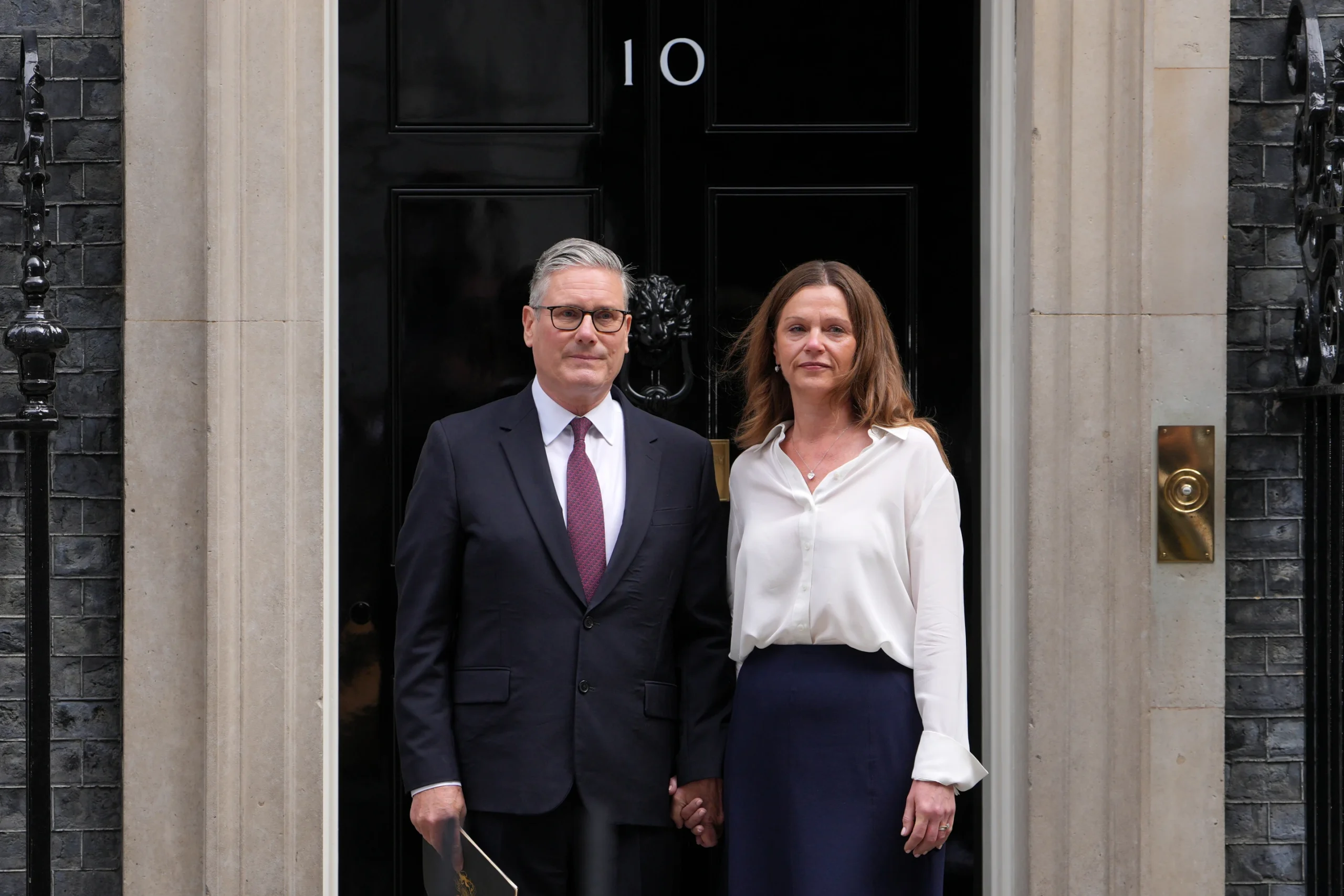
Standing outside 10 Downing Street, Starmer confirmed on Monday that he will continue serving as caretaker prime minister until the Labour Party selects a new leader to take over the government.
Mounting pressure inside Labour triggers leadership exit
Starmer’s resignation follows months of growing internal pressure from Labour lawmakers concerned about the party’s declining public support and weakening policy momentum since its sweeping 2024 election win.
According to party sources, dissatisfaction accelerated after the recent parliamentary by-election victory of Andy Burnham, a former Greater Manchester mayor who positioned himself as a potential challenger for the Labour leadership.
Burnham is expected to be sworn in as a Member of Parliament, intensifying speculation about a leadership contest that ultimately pushed Starmer toward stepping aside.
Emotional statement outside Downing Street
In a brief and emotional address, Starmer acknowledged the decision of his party colleagues and said he accepted their judgment.
He noted that the central question within Labour had become whether he remained the right figure to lead the party into the next general election. Starmer said he would not stand in the way of a transition and would ensure an orderly handover of power.
Declining popularity and political challenges
Starmer led Labour Party to a decisive victory in July 2024, but the government has since faced falling approval ratings amid concerns over economic performance, public service delivery, and rising living costs.
Political analysts say the administration struggled to maintain early momentum, with growing competition from the Reform UK and the Green Party reshaping the political landscape.
Internal divisions also intensified after several controversial decisions and cabinet-level disagreements, further weakening Starmer’s position within his own party.
Leadership contest expected inside Labour
With Starmer preparing to step aside, attention has shifted to who will lead Labour next. Among potential contenders is Health Secretary Wes Streeting, who previously resigned from government duties in protest at Starmer’s leadership direction and has indicated readiness to run if a leadership election is triggered.
Party insiders suggest the contest could define Labour’s future direction ahead of the next general election.
International reactions and global context
The announcement also drew international attention, including commentary from U.S. President Donald Trump, who linked the political shift to broader debates on immigration and energy policy.
Meanwhile, Starmer’s foreign policy record remains a mixed legacy. While facing criticism domestically, he has been credited with strengthening European coordination on support for Ukraine and managing diplomatic responses to international conflicts.
What happens next
Starmer will remain in office as interim prime minister until Labour completes its leadership election process. The timeline for selecting a new leader has not yet been confirmed, but party officials are expected to move quickly to stabilize internal unity and restore voter confidence.

The transition marks one of the most significant political shifts in the United Kingdom in recent years, reshaping both the Labour Party and the national political outlook.