















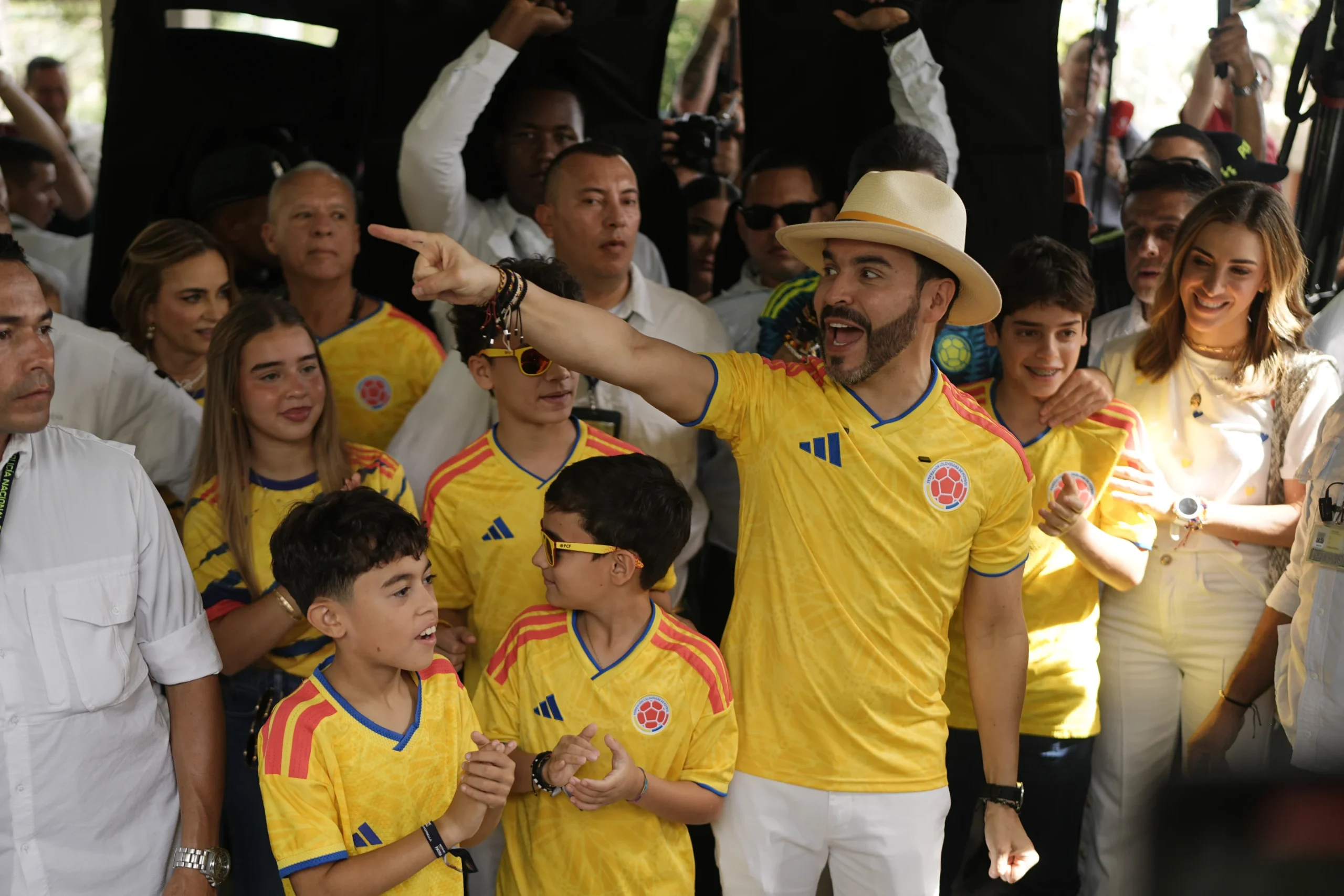
BOGOTÁ, Colombia — Colombia’s presidential election remains unresolved after conservative outsider Abelardo de la Espriella secured a razor-thin lead over progressive rival Iván Cepeda in a tightly contested runoff that has already triggered legal challenges and political tensions.
With nearly all votes counted, de la Espriella led by less than one percentage point, according to election authorities, though officials have not yet formally declared a winner. Cepeda and the ruling coalition have said they will contest the results, citing concerns over irregularities across thousands of polling stations.
A Deeply Divided Electorate
The election highlighted sharp political divisions across Colombia, with voters split between continuing the current progressive agenda and shifting toward a tougher, security-focused conservative approach.
De la Espriella, a lawyer and political newcomer, campaigned on a platform centered on aggressive crime control, expanded security measures, and a break from outgoing President Gustavo Petro’s policies. His campaign gained international attention after receiving public support from U.S. President Donald Trump.
Cepeda, an ally of Petro, advocated for maintaining and expanding social reforms and continuing negotiations with armed groups as part of a broader peace strategy.
Claims of Irregularities and Planned Challenges
Following the announcement of preliminary results, Cepeda declared that his campaign does not recognize the count as final and announced plans to challenge results from more than 30,000 voting centers.
He insisted that Colombia’s electoral process must be fully reviewed before any official winner is confirmed, warning against what he described as threats to democratic legitimacy. President Petro has also indicated support for challenging the outcome.
Election officials emphasized that final certification is still pending, and a formal recount process has not been initiated.
Security and Crime Dominated Campaign Debate
Throughout the campaign, public safety remained the central issue. Rising violence linked to illegal armed groups, drug trafficking, and territorial disputes shaped voter concerns.
De la Espriella promoted a hardline security strategy, including the creation of large-scale prisons and the suspension of ongoing peace talks with armed groups. He also referenced policies similar to those used in El Salvador under President Nayib Bukele as a model for reducing crime.
Supporters argue that stronger enforcement is necessary to restore order, while critics warn such policies could lead to human rights concerns.
International Attention and Political Reactions
The close result has drawn attention across the region and from global observers, particularly following Trump’s endorsement of de la Espriella, which added an international political dimension to the race.
De la Espriella addressed supporters in Barranquilla after the vote count, declaring confidence in victory and promising to govern for all Colombians, while also striking a more confrontational tone toward his opponent.
Meanwhile, Cepeda reaffirmed that his campaign would defend what he called Colombia’s social gains and resist any attempt to reverse recent reforms.
A Country at a Political Crossroads
Colombia continues to grapple with long-standing challenges related to armed groups, drug trafficking, and rural insecurity. Authorities estimate that illegal organizations in the country include more than 27,000 members, contributing to persistent violence in several regions.

Last year, homicide rates reached their highest level in nearly a decade, intensifying public demand for solutions.
Analysts say the outcome of the election—once finalized—will determine whether Colombia moves toward a more security-focused conservative model or continues along its current reform-oriented path.
What Happens Next
Election authorities are expected to review outstanding challenges before certifying the final result. Until then, Colombia remains in a period of political uncertainty, with both sides claiming confidence in their interpretation of the vote.
The incoming president will take office on August 7, marking the beginning of a new four-year term in one of Latin America’s most politically significant democracies.