























LOS ANGELES — FIFA’s introduction of mandatory hydration breaks at the 2026 World Cup has become one of the tournament’s most debated rule changes, with experts divided over whether the measure is a meaningful safety step or an unnecessary disruption to the game.
As organizers prepare for what is expected to be one of the hottest World Cups on record—co-hosted by the United States, Mexico, and Canada—the governing body has enforced a new rule requiring three-minute cooling breaks in every match, regardless of weather conditions or stadium design.
While the policy is designed to protect players from heat-related health risks, it has drawn criticism from both sports professionals and scientists who question its timing, effectiveness, and impact on match dynamics.
A Universal Rule Designed for Player Safety
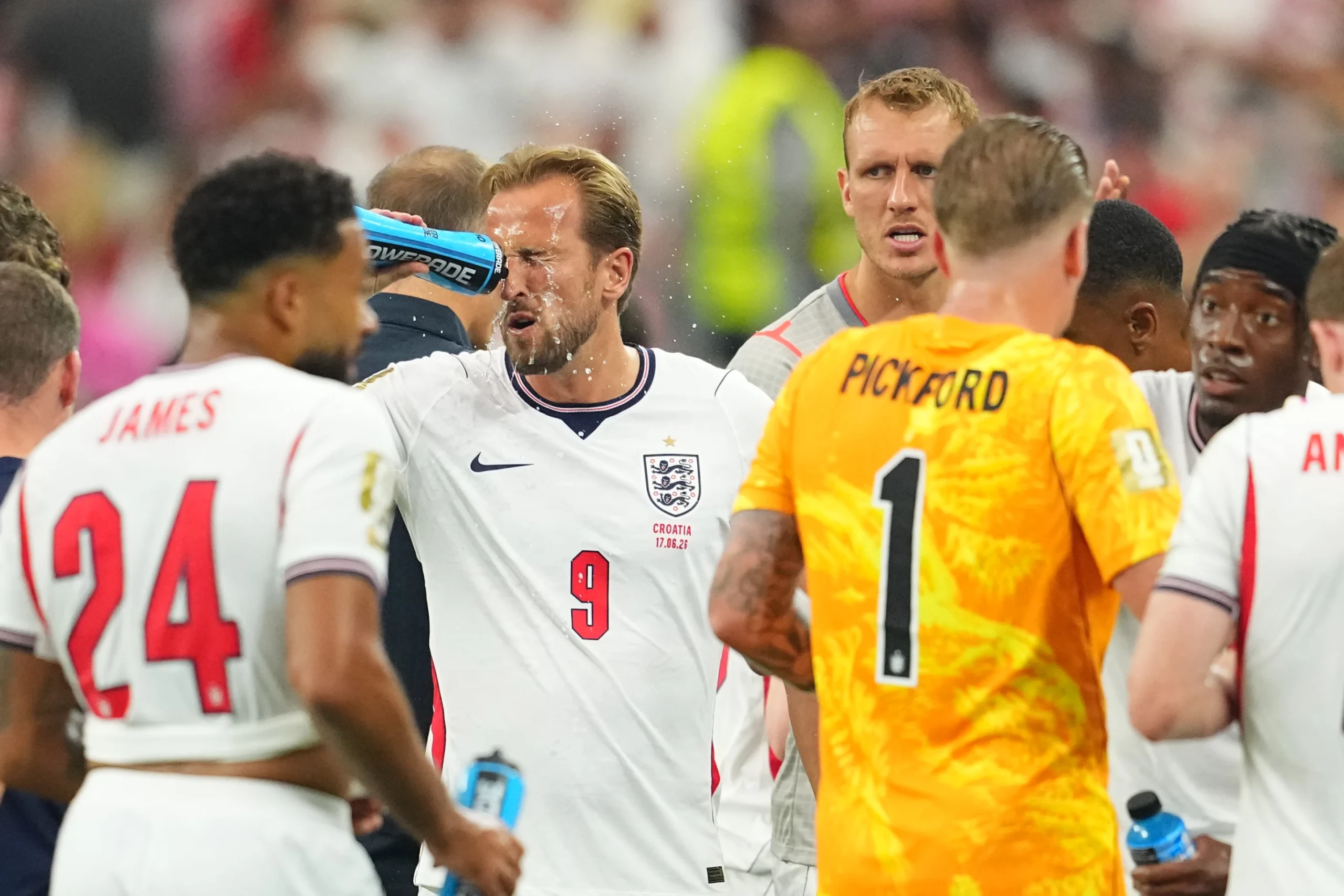
For the first time in World Cup history, players will pause mid-way through each half for a mandatory hydration interval. FIFA says the decision aims to create consistent conditions across all venues and reduce the risk of heat-related medical emergencies.
The policy was influenced by previous tournaments, including recent international competitions in the United States, where players competed in temperatures reaching the mid-90s Fahrenheit (mid-30s Celsius).
Officials argue that standardized cooling breaks ensure fairness, especially as matches will be played in a wide range of climates and stadium environments, including air-conditioned and open-air venues.
However, some coaches and analysts have questioned whether applying the rule universally—rather than based on real-time weather conditions—is necessary.
Concerns Over Game Flow and Competitive Advantage
Critics within the football community argue that stopping play in every match could disrupt rhythm and alter momentum. Coaches suggest that teams may use the breaks strategically to reorganize tactics or slow down opponents gaining control of the game.
This has raised concerns that what is intended as a health safeguard could unintentionally influence match outcomes, especially in tightly contested games.
Despite these concerns, FIFA maintains that player safety remains the priority and that standardized pauses eliminate inconsistency in officiating decisions related to weather conditions.
Heat Stress: A Serious Risk for Elite Athletes
Sports scientists continue to warn that extreme heat is not just uncomfortable but potentially dangerous for high-performance athletes.
When playing in hot and humid conditions, players face the risk of exertional heat illness—a condition that occurs when the body overheats during intense physical activity. Symptoms can include muscle cramps, fatigue, dizziness, nausea, confusion, and reduced performance.
In severe cases, body temperatures exceeding 40.5°C (105°F) can lead to heat stroke, a medical emergency that requires immediate intervention. Experts note that this condition has been linked to fatalities in competitive sports.
Hydration loss is another major factor. Athletes may lose between one and two liters of fluid per hour through sweat, often replacing less than they lose. Even a two percent reduction in body weight due to dehydration can significantly reduce endurance and cognitive performance.
Scientific Debate Over Effectiveness of Short Cooling Breaks
While FIFA’s three-minute breaks are intended to reduce risk, some researchers argue they may not be sufficient during extreme heat conditions.

Experts in sports science suggest that while short recovery periods allow players to drink fluids and cool down, meaningful temperature reduction often requires more aggressive cooling strategies, such as cold towels applied to the neck, head, and upper body.
Even with such methods, measurable cooling effects are limited in short time frames. Some specialists have advocated for longer breaks—up to six minutes—especially when environmental conditions exceed safe heat thresholds.
Research also highlights that performance declines sharply once environmental heat and humidity exceed critical levels, reducing the body’s ability to regulate temperature effectively.
Cognitive and Physical Performance at Stake
Beyond physical strain, extreme heat may also impair decision-making on the field. Scientists warn that fatigue and overheating can slow reaction times, reduce focus, and affect tactical judgment—factors that can ultimately influence match results.
According to researchers, even small performance differences between players can have a decisive impact in elite-level competitions. Heat-tolerant athletes may gain a subtle advantage, potentially shifting the balance in closely matched games.
A Balancing Act Between Safety and Competition
FIFA’s new hydration policy highlights an ongoing challenge in modern sports: balancing athlete welfare with competitive integrity and viewer experience.
While the organization insists the rule is essential to prevent medical emergencies, critics continue to call for more flexible, data-driven approaches that respond to real-time environmental conditions rather than applying uniform pauses to every match.
As the 2026 World Cup approaches, the effectiveness of these mandatory breaks will likely remain under scrutiny—especially if extreme temperatures become a defining feature of the tournament.