
















Washington is facing renewed political tension after President Donald Trump unveiled a preliminary agreement with Iran aimed at easing hostilities and reopening critical global trade routes. While the White House presents the deal as a strategic breakthrough, divisions within the Republican Party are growing over its long-term consequences.
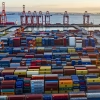
The memorandum of understanding (MOU), expected to be formally signed soon, outlines steps toward ending active conflict, reopening the Strait of Hormuz, and easing certain economic restrictions. The administration argues the agreement could help stabilize global energy markets and reduce fuel prices for consumers.
White House Frames Deal as Strategic Win
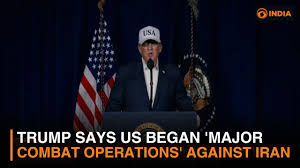
Speaking during the G7 summit in France, Trump described the agreement as “very strong,” though he acknowledged that details were still being finalized. Officials say the deal marks progress toward de-escalation in the region and strengthens U.S. economic and security interests.
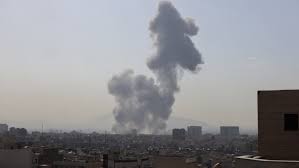
A White House spokesperson said the agreement follows recent military actions against Iran and is designed to restore maritime stability while pushing Tehran away from nuclear development ambitions. The administration also claims reopening the Strait of Hormuz will improve global supply chains and ease inflationary pressure on energy and goods.
Republican Leaders Express Unease
Despite the administration’s optimism, Republican lawmakers have offered a cautious and divided response. Senate Majority Leader John Thune noted that while Iran is widely seen as a threat, lawmakers still lack full details of the agreement and are waiting for further clarification before taking a firm position.
The uncertainty has fueled debate within the party between those who want a swift end to U.S. involvement in foreign conflicts and others concerned about the terms of any potential concessions.
Some GOP figures argue that easing restrictions too quickly could weaken long-term leverage over Tehran, especially regarding nuclear compliance and regional security.
Critics Warn of Concessions to Iran
Former U.N. ambassador Nikki Haley criticized early reports suggesting sanctions relief for Iranian oil exports, arguing that immediate economic concessions could strengthen Iran’s position. She has called for maintaining strict sanctions until stronger guarantees are secured.
Similarly, former White House adviser Steve Bannon has questioned elements of the economic provisions, warning that lifting restrictions and unfreezing assets could reduce U.S. leverage in future negotiations.
These concerns reflect broader skepticism among some conservative voices who fear the agreement may resemble earlier international nuclear negotiations with Iran that Republicans previously opposed.
Strategic Debate Over Sanctions and Security
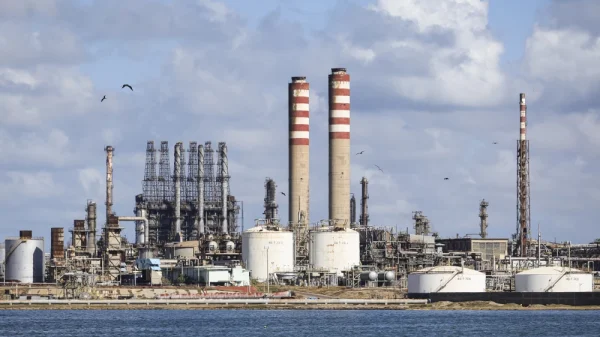
A key point of contention is the planned easing of sanctions on Iranian oil exports. Supporters within the administration argue that lifting restrictions will reduce global energy costs and eliminate what they describe as indirect market distortions. Critics, however, warn that it could provide Tehran with significant new revenue streams.
Vice President JD Vance has played a central role in negotiating the agreement and is expected to lead much of the public messaging effort in the coming weeks as the administration seeks to build political support.
Political Stakes Rise Ahead of Elections
The agreement comes at a politically sensitive time, with the next election cycle approaching and foreign policy emerging as a key voter concern. While many Americans favor reducing U.S. involvement in prolonged conflicts, there is less consensus on how far concessions should go to secure peace.
Republican lawmakers are now weighing whether the agreement represents a pragmatic step toward de-escalation or a risky compromise that could strengthen Iran economically without fully addressing nuclear concerns.
Outlook Remains Uncertain
Officials say further negotiations are expected after the memorandum is finalized, suggesting that several major issues remain unresolved. These include long-term sanctions policy, verification mechanisms, and broader regional security arrangements.

For now, the deal has exposed deep divisions within the Republican Party and highlighted the political difficulty of balancing diplomacy, national security, and economic pressure in one of the world’s most volatile regions.