





















The U.S. military has carried out another strike on a vessel accused of drug trafficking in the eastern Pacific Ocean, killing three people in what marks the fourth such operation within a single week, according to defense officials.
The latest incident brings the total death toll from the ongoing maritime campaign to more than 200 since operations began earlier this year.
Fourth Strike in a Week Targets Suspected Drug Vessel
The U.S. Southern Command confirmed that the strike was carried out on Saturday against a boat allegedly involved in narcotics trafficking in international waters.
Officials said the vessel was identified as part of operations linked to a designated criminal organization. However, no publicly released evidence was provided to support the claim.
The military released footage showing a small boat at sea before it was struck and engulfed in an explosion.
Death Toll Climbs in Expanded Maritime Campaign
With Saturday’s operation, the total number of fatalities from similar strikes has reached approximately 205, according to military figures.
The campaign has intensified over recent months, with additional strikes reported earlier in the same week on Tuesday, Wednesday, and Friday.
U.S. defense officials say the operations are part of a broader effort to disrupt transnational drug trafficking networks operating between Latin America and the United States.
U.S. Justifies Operations as Armed Conflict
The administration of U.S. President Donald Trump has characterized drug cartels as armed criminal organizations engaged in conflict with the United States.
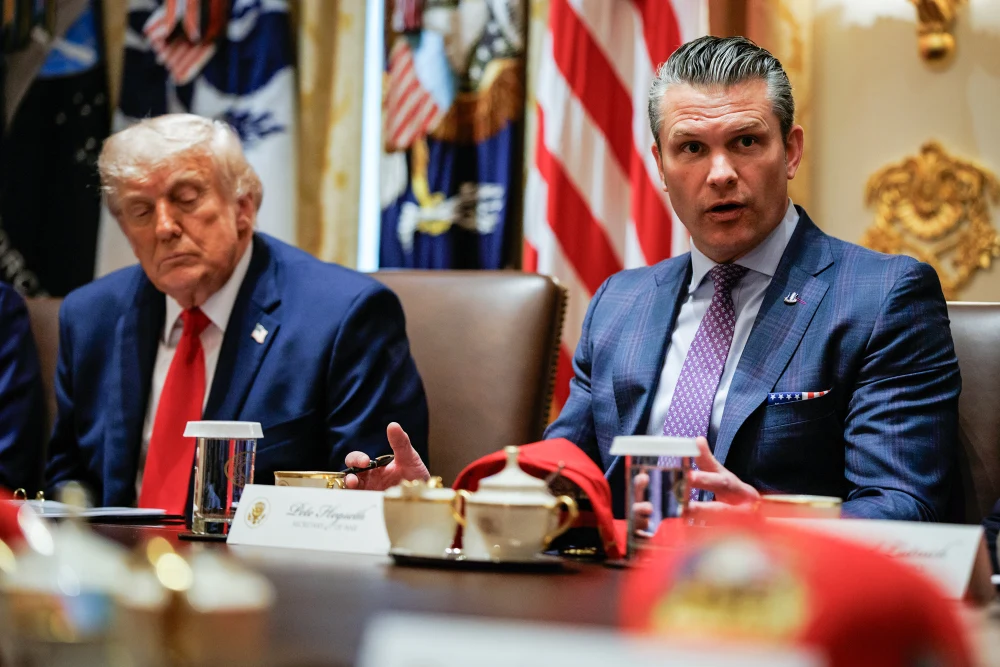
Defense Secretary Pete Hegseth has overseen the expanded military campaign, which officials describe as targeting vessels linked to narcotics smuggling operations in both the Caribbean and eastern Pacific regions.
U.S. Southern Command stated that the latest strike was authorized by senior military leadership responsible for operations in Latin America.
Legal and Transparency Questions Persist
The strikes have drawn ongoing scrutiny from legal experts and human rights observers, particularly over the lack of publicly disclosed evidence linking targeted vessels to drug trafficking organizations.
Officials have not released identities of those killed or detailed intelligence assessments used to justify individual operations.
Escalating Maritime Enforcement Strategy
The U.S. military campaign represents a significant expansion of maritime interdiction efforts, shifting from traditional law enforcement coordination toward direct military action in international waters.
Supporters argue the strategy is necessary to combat increasingly sophisticated trafficking routes. Critics, however, warn that the operations raise concerns about transparency, accountability, and the use of lethal force without judicial oversight.

Outlook
With repeated strikes occurring within days of each other, officials indicate the campaign is likely to continue as part of a sustained effort to disrupt suspected trafficking networks operating across the Pacific.