

























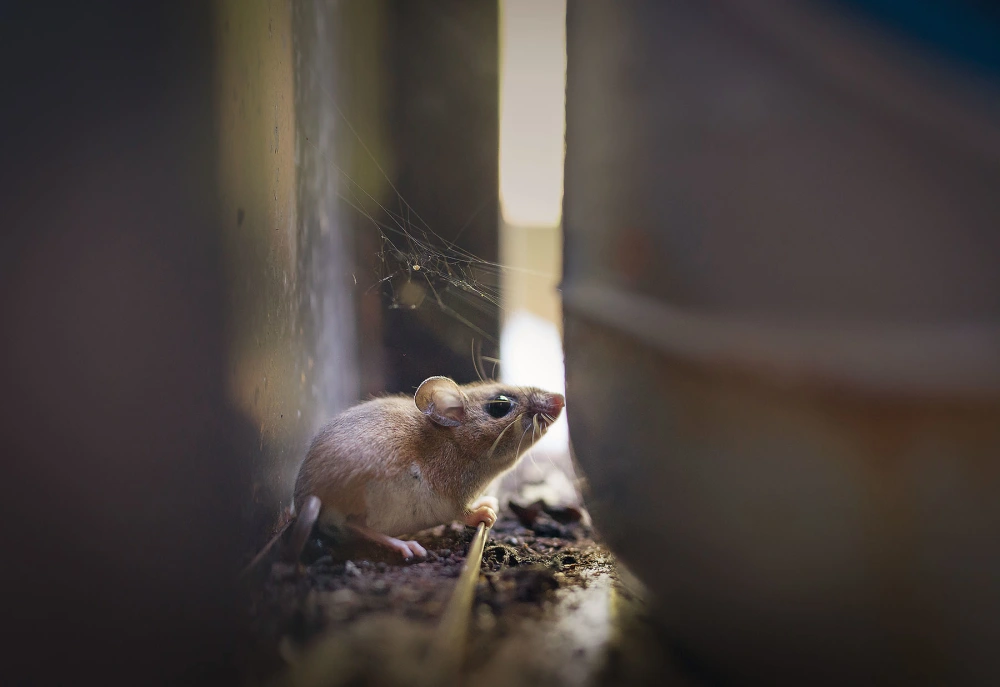
Researchers are gaining new insight into where hantavirus is most likely to circulate in the United States, identifying unexpected geographic “hot spots” as concern grows over the rare but potentially deadly rodent-borne disease.
Although human infections remain uncommon, scientists warn that the virus is present in rodent populations across multiple regions of the country, including areas not traditionally associated with hantavirus cases.
Rodent carriers found across multiple U.S. regions
Hantavirus is primarily spread to humans through contact with infected rodents, especially deer mice, which shed the virus through urine, saliva, and droppings. People can become infected when contaminated particles are disturbed and inhaled.
Health officials emphasize that U.S. strains of hantavirus, mainly the Sin Nombre virus, do not spread between people. However, infections can still be severe, with some cases leading to a dangerous respiratory illness.
While the western United States has historically recorded most human cases, new research shows that infected rodent populations are distributed more widely than previously understood.
Unexpected states identified as emerging “hot spots”
A study conducted by researchers at Virginia Tech’s Department of Fish and Wildlife Conservation found evidence of hantavirus exposure in rodents across several states, including Virginia, Colorado, and Texas.
The research analyzed thousands of rodent blood samples collected over multiple years and identified multiple species capable of carrying the virus. Scientists also found evidence suggesting that several previously overlooked rodent species may serve as potential hosts.
What surprised researchers most was the detection of infected rodents in parts of the eastern U.S., where human cases have historically been extremely rare.
Western states still report most human infections
Despite the broader distribution of infected rodents, confirmed human cases remain concentrated in the western U.S., particularly in states such as Arizona, Colorado, New Mexico, and California.
Since surveillance began in the 1990s, fewer than 1,000 cases have been recorded nationwide, but the disease carries a high fatality rate, with roughly one-third of patients dying from complications.
Health officials stress that the presence of infected rodents does not automatically translate to higher human risk, but it does indicate where spillover could potentially occur under the right conditions.
Environmental conditions influence transmission risk
Scientists say environmental factors play a major role in how hantavirus spreads. Dry conditions, warmer temperatures, and limited rainfall can increase the likelihood that virus particles in rodent droppings become airborne.
Researchers also note that human activity, such as construction, farming, or cleaning enclosed spaces like sheds and cabins, can disturb contaminated materials and increase exposure risk.
Stress in rodent populations, often linked to habitat disruption, may also lead to increased viral shedding, further elevating potential transmission risks.
Public health monitoring continues
Recent suspected cases, including one under investigation in Illinois, have renewed attention on hantavirus awareness in the U.S. Health officials continue to emphasize that such cases are rare and typically linked to direct exposure in enclosed or poorly ventilated environments contaminated by rodents.

The Centers for Disease Control and Prevention (CDC) has tracked hundreds of cases over several decades, with most occurring in rural or semi-rural areas of the western United States.
Experts urge caution but not alarm
While some researchers caution that hantavirus has characteristics that make it a serious public health concern, including high mortality in severe cases, experts stress that the overall risk to the general public remains low.
However, scientists continue to monitor rodent populations closely, especially as climate and environmental changes may influence where and how the virus spreads in the future.