














Civil rights group argues federal prosecution misrepresents decades of cooperation with authorities amid escalating political controversy
The Southern Poverty Law Center (SPLC) is pushing back against a federal indictment, arguing that its use of confidential informants was well known to U.S. law enforcement agencies for years and that the case represents an unprecedented attempt to criminalize its investigative methods.
The dispute has quickly escalated into a broader legal and political battle, with attorneys for the civil rights organization alleging prosecutorial overreach and politically charged statements from senior Justice Department officials.
SPLC Challenges 11-Count Federal Indictment
The SPLC was indicted last week by a federal grand jury in Alabama on 11 counts, including allegations of wire fraud, bank fraud, and money laundering. Prosecutors claim the organization improperly used paid confidential sources in connection with its monitoring of extremist groups.
However, SPLC attorneys argue that the organization’s informant program has operated transparently with law enforcement cooperation for decades, including information sharing with federal agencies such as the FBI.
They contend the indictment attempts to reframe standard civil rights investigative practices as criminal conduct.
Claims of Political Influence and Misconduct
In court filings submitted Tuesday, SPLC lawyers described the prosecution as “unprecedented” and “irregular,” alleging that the case may have been influenced by political motivations.
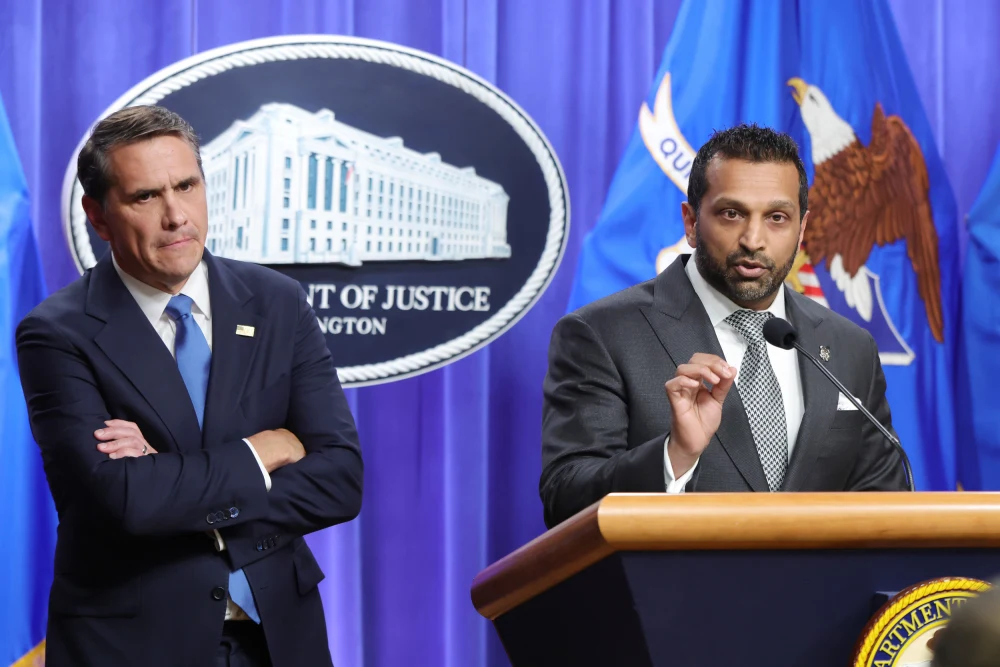
They also claimed that public statements from senior Justice Department officials, including Acting Attorney General Todd Blanche, have been “false and prejudicial,” potentially undermining the fairness of the proceedings.
The organization argues that such remarks risk improperly influencing public perception and judicial process before trial.
Motion for Grand Jury Transparency
SPLC attorneys have filed motions requesting access to grand jury proceedings, suggesting that the panel may have been misled or improperly influenced during the indictment process.
They further argue that standard grand jury secrecy protections should not shield what they describe as a flawed and politically driven prosecution.
A federal magistrate judge has ordered the Justice Department to respond to these motions in the coming days.
DOJ Defends Prosecution
Federal prosecutors maintain that the SPLC engaged in illegal financial activity through its use of paid informants, claiming the arrangement violated federal law.
Officials also argue that the case is based on evidence of financial misconduct rather than the organization’s advocacy or civil rights work.
The Justice Department has not yet publicly responded in detail to the SPLC’s latest filings.

Longstanding Political Tensions Surround Case
The SPLC, a 55-year-old civil rights organization known for tracking extremist groups and hate organizations, has long been a subject of political criticism from conservative figures.
Former President Donald Trump has repeatedly criticized the group, calling it politically biased and accusing it of spreading misinformation about extremist activity.
The current case has further intensified political divisions surrounding the organization’s work and its role in documenting domestic extremism.
Broader Debate Over Civil Rights Monitoring
Legal experts say the case raises significant questions about the boundaries between investigative journalism, civil rights monitoring, and federal criminal law.
At issue is whether organizations that collect and share intelligence on extremist activity can be prosecuted for the methods they use to gather information, particularly when cooperating with law enforcement.
What Happens Next
The Justice Department is expected to respond to the SPLC’s motions by early May, including arguments against releasing grand jury materials and addressing claims of prosecutorial misconduct.
The case is likely to continue drawing national attention as it moves forward, with potential implications for civil rights organizations, investigative practices, and federal enforcement standards.