
















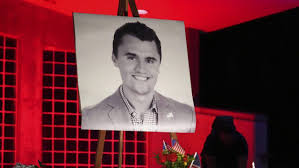
UTAH COUNTY, Utah — A judge has ruled that the transcript and audio from a previously sealed hearing in the case of the man accused of killing political activist Charlie Kirk will be made public, with limited redactions.
Tyler Robinson, 22, is charged with aggravated murder in the September shooting of Kirk at Utah Valley University, where the conservative activist was speaking during a campus event. Witnesses reported that Kirk was shot in broad daylight and began bleeding heavily.
Prosecutors are seeking the death penalty against Robinson, who has not yet entered a plea.
Court Decision on Public Access
Utah District Court Judge Tony Graf said the court “remained mindful of its duty to balance competing constitutional interests” when considering whether to release the October 24 hearing transcript. Graf ultimately decided to make the audio and transcript public, allowing for the redaction of 246 words—roughly one page of the 80-page transcript. The transcript is expected to be added to the court docket by the end of the day, though the audio may take longer to release.
A separate hearing is expected to address whether cameras will be allowed in Robinson’s future proceedings.
Media Access vs. Defendant’s Rights
Robinson’s defense team has argued for limited media access, citing concerns that extensive coverage could prejudice potential jurors. The Utah County Sheriff’s Office has also supported some restrictions on public access.
However, media organizations at both local and national levels have cited the First Amendment in motions requesting broader access, emphasizing that “courts do the public’s business” and that transparency is critical in high-profile criminal cases.
Kirk’s widow, Erica Kirk, has called for full transparency, including the presence of cameras, arguing that the public has a right to witness proceedings.
Alleged Motive and Background
Authorities allege Robinson targeted Kirk due to his political views. According to court documents, Robinson had expressed frustration with Kirk’s positions on LGBTQ rights and communicated his anger in messages to others. After the shooting, Robinson reportedly suggested he might harm himself but was convinced by family members to surrender to authorities.
The case continues to draw national attention as the court balances public access with the rights of the defendant, with future hearings likely to focus on media presence and procedural matters.