
























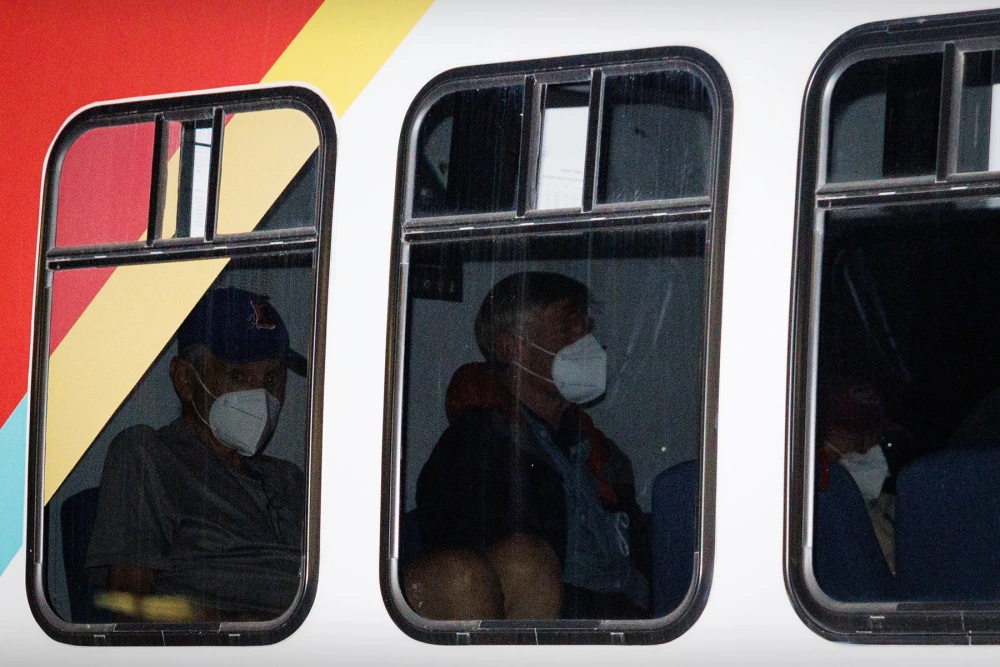
As more than 40 Americans remain in extended quarantine following a hantavirus outbreak aboard a cruise ship, former patients who have experienced similar high-security medical isolation are sharing rare insights into life inside specialized biocontainment units in the United States.
The passengers, who were exposed during an expedition voyage on the cruise ship MV Hondius, are being monitored in controlled medical facilities where they may remain isolated for up to 42 days despite most testing negative for the virus. Three deaths and multiple infections have been linked to the outbreak.
Life Inside Biocontainment Units
Some of the only people able to relate to the current situation are former patients treated in U.S. biocontainment units during previous global health emergencies, including Ebola and COVID-19.
These facilities, operated at leading hospitals such as Emory University Hospital and the University of Nebraska Medical Center, are designed to safely isolate patients exposed to highly infectious diseases while preventing transmission to the outside world.
They feature negative-pressure rooms, specialized air filtration systems, and strict protective protocols requiring staff to wear full hazmat gear during patient interaction.
Dr. Kent Brantly, who survived Ebola in 2014 after being treated at Emory’s specialized isolation unit, said patients in the current quarantine are in highly capable hands.
“These teams are completely prepared to take care of a situation like this,” Brantly said, recalling his own weeks of isolation and intensive treatment.
Comforts and Constraints Behind Locked Doors
Despite the strict medical environment, former patients describe a surprising mix of clinical isolation and personal care.
Brantly recalled a “decent-sized hospital room” where he received constant monitoring, experimental treatment, and emotional support from medical staff. Nurses even encouraged physical therapy inside the room, and lighthearted activities such as playing Nerf basketball helped pass the time.
He said the experience was not only medically focused but also deeply personal, with staff attentive to patients’ emotional and psychological well-being.
Modern Quarantine Experience in Omaha
Inside the Nebraska facility, current quarantined individuals are experiencing a more modern version of isolation.
The National Quarantine Unit at the University of Nebraska Medical Center includes single-occupancy rooms equipped with entertainment systems, exercise equipment, and controlled airflow systems that maintain strict infection control standards.
One current occupant, content creator Jake Rosmarin, has documented daily life inside quarantine through social media. His room includes a bed, television, stationary bike, and personal items sent in care packages. He has even been able to enjoy delivered meals and prepare coffee inside the facility.
Rosmarin said maintaining a positive mindset has been essential during what could be a six-week isolation period.
Historical Parallels With COVID-19 Quarantine
Carl Goldman, who was treated at the same Nebraska facility after contracting COVID-19 aboard the Diamond Princess cruise ship in 2020, described similar conditions during his own isolation.

He recalled strict protective protocols requiring staff in hazmat suits and a highly controlled environment that limited all outside contact. Despite the restrictions, he said medical staff provided consistent care and emotional support, even celebrating milestones such as birthdays inside the unit.
Goldman also described small comforts, including hydration drinks and structured routines that helped maintain a sense of normalcy during extended isolation.
Balancing Safety and Mental Well-Being
Health experts say these specialized units are designed not only to contain dangerous pathogens but also to support patient well-being during prolonged isolation.
Facilities like those at Emory and Nebraska are among the few in the United States capable of safely managing high-risk infectious exposures while maintaining patient comfort through communication tools, entertainment options, and structured care routines.
Former patients emphasize that while the experience can be emotionally challenging, strong medical supervision and supportive staff play a crucial role in helping individuals endure extended quarantine periods.
Ongoing Monitoring of Cruise Ship Passengers
The current group of quarantined Americans remains under observation as health officials monitor the hantavirus incubation period. Authorities have stated that individuals may remain isolated until the full monitoring window expires to ensure no further spread of the virus.
While most passengers continue to test negative, medical teams are maintaining strict precautions given the severity of the outbreak and the potential for delayed symptom onset.