




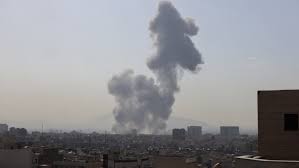



















The ongoing Middle East conflict is accelerating Somalia’s already severe food insecurity, worsening the country’s slide toward famine as global supply disruptions, climate shocks, and aid reductions converge.
The East African nation is now facing mounting pressure from the instability surrounding the Strait of Hormuz, a critical global shipping route, which has disrupted essential imports of food, fuel, and agricultural inputs.
Supply chain disruption hits farmers and markets
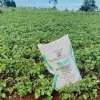
Farmers and agricultural suppliers in Somalia are reporting significant delays in essential goods, including fertilizers and pesticides. In northern Somalia’s Hargeisa region, agricultural business owners say shipments that typically take weeks are now stuck for months in transit hubs such as Dubai.
These disruptions are increasing production costs and limiting the availability of critical farming inputs, leaving small-scale farmers unable to sustain normal crop production.
As a result, food prices across local markets have surged, further restricting access to basic necessities for already vulnerable households.
Worsening hunger crisis across the country
Somalia is currently experiencing one of its most severe food insecurity crises in recent years. According to the Integrated Food Security Phase Classification (IPC), around 6 million people—roughly 31% of the population—are facing high levels of acute food insecurity. This includes nearly 1.9 million people in emergency conditions.
Humanitarian agencies warn that worsening weather patterns, combined with supply chain disruptions linked to geopolitical tensions, are pushing parts of southern Somalia closer to famine thresholds.
Aid officials report that nearly 2 million children are acutely malnourished, with hundreds of thousands in life-threatening conditions requiring urgent treatment.
Rising global prices intensify pressure
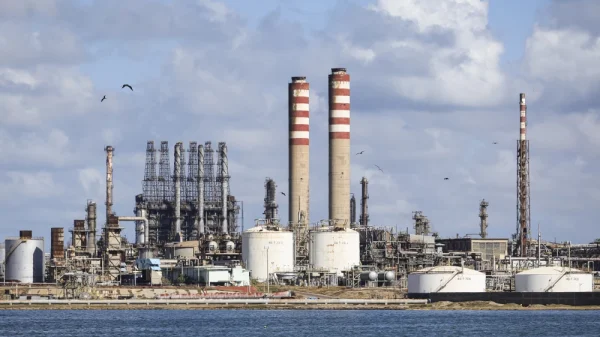
The crisis has been compounded by sharp increases in global commodity prices, particularly fertilizers and fuel. Disruptions to shipping routes passing through the Strait of Hormuz have tightened global supply, driving up costs across East Africa.
Fertilizer prices—especially urea and DAP—have increased significantly, reducing agricultural productivity and raising food production costs. At the same time, staple food items such as rice, sugar, flour, cooking oil, and milk have all recorded notable price hikes in local Somali markets.
These increases are placing further strain on households already struggling to afford basic nutrition.
Humanitarian response stretched thin
Despite ongoing aid efforts, humanitarian coverage remains limited. Reports indicate that assistance currently reaches only a fraction of those in need, leaving large gaps in food and nutrition support.
Funding shortfalls have further constrained relief operations. Humanitarian budgets for Somalia have declined sharply compared to previous years, limiting the ability of aid agencies to scale up emergency response programs.
Officials warn that reduced international funding, combined with rising needs, is weakening the overall humanitarian system at a critical time.
Climate shocks and long-term vulnerability
Somalia’s food crisis is not driven solely by geopolitical disruptions. The country continues to suffer the effects of recurring droughts and irregular rainfall patterns.

After experiencing one of the longest recorded droughts in its history between 2021 and 2023, Somalia lost large portions of its livestock and crops, displacing millions and pushing communities to the brink of famine.
These climate shocks, combined with heavy dependence on food imports, leave the country highly exposed to external supply disruptions.
Risk of famine remains in several regions
The IPC has warned that some districts in southern Somalia face a real risk of famine if conditions continue to deteriorate. Famine classification requires extreme levels of food shortage, acute malnutrition, and rising mortality rates within affected populations.
While Somalia has not reached nationwide famine conditions, experts caution that localized areas could tip into catastrophe if humanitarian access and food supplies continue to decline.
Regional ripple effects
Experts note that the impact of the Strait of Hormuz crisis extends beyond Somalia, affecting other import-dependent countries across East Africa. Reduced fertilizer availability and rising transportation costs are expected to strain agricultural output across the wider region.
Analysts warn that countries such as Kenya, Tanzania, and others in southern Africa could also face escalating food insecurity if disruptions persist.
Conclusion
Somalia’s worsening hunger crisis reflects a dangerous convergence of global conflict, climate instability, and weakened humanitarian support systems. With supply chains disrupted and aid funding shrinking, the country remains highly vulnerable to further deterioration unless urgent international action stabilizes food and fuel flows and strengthens emergency relief efforts.