

















With just six months remaining before the 2026 midterm elections, Republican leaders across the United States are expressing a mix of confidence and concern as they prepare for a high-stakes battle to maintain control of Congress.
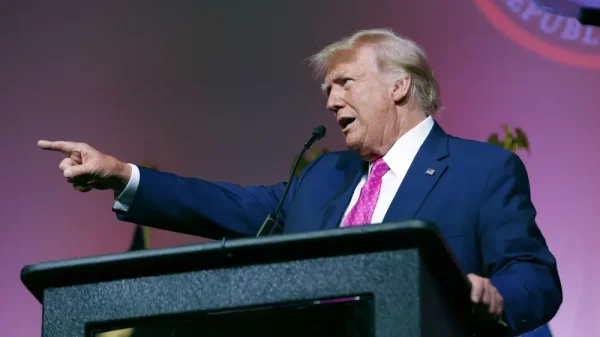
Although President Donald Trump will not appear on the ballot, GOP officials believe his influence will remain the defining factor in shaping voter turnout, campaign messaging, and the party’s overall performance in November.
Interviews with Republican National Committee members and party activists reveal cautious optimism despite recent political setbacks and growing concerns over economic pressures and foreign policy challenges.
GOP Leaders See Opportunities Despite Political Headwinds
Republicans have faced several electoral defeats in recent months, some by significant margins, giving Democrats renewed momentum heading into the midterms. Analysts also point to historically low approval ratings for Trump, ongoing inflation concerns, and the prolonged conflict involving Iran as potential risks for the party.
Traditionally, the party controlling the White House tends to lose congressional seats during midterm elections, adding further pressure on Republicans.
Still, many GOP officials argue that recent developments have strengthened their chances.
Party leaders highlighted favorable court rulings on congressional redistricting, which could limit Democratic gains in key states. Republicans also currently hold a major fundraising advantage over Democratic organizations, providing significant resources for advertising and voter outreach campaigns.
AK Kamara, a Republican National Committee member from Minnesota, said recent legal victories in redistricting battles have improved the GOP’s electoral outlook and increased confidence among party strategists.
Economy and Cost of Living Remain Central Concerns
Republican officials repeatedly emphasized that economic messaging will be critical to their success in November.
Many within the party are urging Trump and national Republican leaders to focus heavily on inflation, fuel prices, taxes, and household affordability issues rather than political distractions.
The GOP has been promoting its recently passed tax reform package, rebranded by many Republicans as the “Working Families Tax Cut.” Party leaders claim the legislation delivers meaningful relief to workers through provisions aimed at reducing taxes on overtime pay, tips, and Social Security income.
Jason Simmons, chairman of the North Carolina Republican Party, described the tax package as a major achievement that Republicans can present directly to working-class voters.
Michigan Republican Chairman Jim Runestad said manufacturing workers in his state have responded positively to tax breaks related to overtime wages, though he acknowledged that rising gas prices continue to frustrate many voters.
Iran Conflict Raises Questions Within GOP Base
The ongoing war involving Iran has become another major concern for Republican strategists.
Initially expected to last only a few weeks, the conflict has stretched into its third month, creating divisions within Trump’s “America First” coalition. Some conservative voters believe the administration should prioritize domestic issues such as immigration, economic recovery, and border security rather than overseas military involvement.

Recent polling has shown weak public approval ratings for Trump’s handling of both the economy and the conflict, raising concerns among some Republican officials about voter enthusiasm heading into the election season.
Despite those worries, several GOP leaders said they believe public opinion could shift quickly if economic conditions improve or the administration successfully resolves the conflict.
Republicans Hold Massive Fundraising Advantage
One area where Republicans appear especially confident is campaign financing.
National Republican groups, including the Republican National Committee and several Trump-aligned organizations, reportedly hold a substantial fundraising lead over Democratic counterparts.
Party officials believe the financial advantage will help Republicans dominate advertising efforts, voter outreach programs, and battleground state operations during the final months before Election Day.
Florida Republican Chairman Evan Power said the GOP’s coordinated fundraising strategy has placed the party in one of its strongest financial positions in years.
Concerns Grow Over Midterm Voter Turnout
Despite positive signs, many Republicans remain worried about one recurring issue: motivating Trump supporters to vote in elections where the former president is not personally on the ballot.
Since Trump entered politics in 2015, he has consistently energized low-propensity voters who typically avoid participating in elections. However, Republicans have struggled in previous midterm and special elections when those same voters failed to return to the polls.
Several GOP strategists acknowledged that maintaining enthusiasm among Trump’s political base remains one of the party’s biggest challenges for 2026.
Republican operatives said they are experimenting with new outreach strategies, including targeted mail campaigns, voter education programs, and Trump-backed tele-rallies designed to engage infrequent voters.
Some Republicans Want Trump Focused on Economic Messaging
Behind the scenes, some Republican officials are also privately frustrated by what they view as distractions from Trump’s core political message.
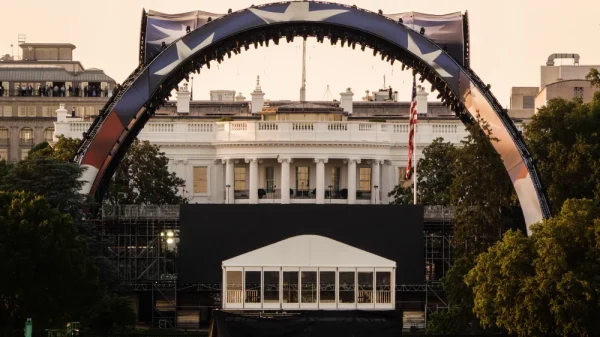
Projects such as proposed White House renovations and discussions surrounding a new ballroom have reportedly raised concerns among party strategists who fear such topics may appear disconnected from the economic struggles facing many Americans.
Several Republican figures stressed that the party’s strongest political argument remains the economy and cost-of-living issues, urging Trump to maintain a disciplined focus on those subjects throughout the campaign season.
As the midterm elections draw closer, Republicans remain hopeful that strong fundraising, redistricting advantages, and Trump’s influence over conservative voters will help them maintain control of Congress. However, party leaders acknowledge that economic uncertainty, international tensions, and voter turnout challenges could still reshape the political landscape in the months ahead.