























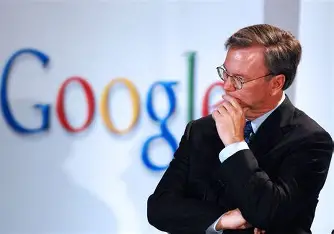
Former Google chief executive Eric Schmidt faced strong audience backlash during a commencement address at the University of Arizona after drawing comparisons between artificial intelligence and past technological revolutions.
The speech, delivered on Sunday, quickly shifted from reflective to contentious as sections of the graduating crowd interrupted Schmidt with boos when he began discussing the rise of AI and its societal impact.
AI comparison triggers immediate reaction
Schmidt opened his address by reflecting on the evolution of personal computing—from early machines to modern laptops and smartphones—and how digital platforms have reshaped communication and access to information.
While acknowledging that technology has expanded opportunities and connected communities globally, he also pointed to its negative consequences, including the amplification of polarizing content and the decline of civil discourse in online spaces.
However, tensions rose when he positioned artificial intelligence as the next major technological transformation, comparable to the computer revolution. At that moment, audible boos spread through the auditorium, briefly disrupting his remarks.
Addressing student concerns and fears
Responding to the reaction, Schmidt acknowledged the anxieties many young people feel about the future. He referenced concerns surrounding job security, climate challenges, political instability, and the rapid pace of technological change driven by AI.
Despite the pushback, he encouraged graduates to resist fatalism and emphasized that the direction of AI development is still open to influence. According to him, the graduating class holds significant power to shape how emerging technologies are integrated into society.
Schmidt also urged students to maintain openness to differing viewpoints, highlighting the importance of intellectual diversity and dialogue in navigating technological and social change.
Message on inclusion and innovation
As the interruptions continued, Schmidt attempted to steer the speech toward broader themes of opportunity and national identity. He encouraged graduates to value freedom of expression and to recognize the contributions of immigrants in strengthening innovation ecosystems.
He argued that the United States has historically thrived when it attracts ambitious individuals from around the world and warned against losing that advantage.
Despite repeated disruptions, Schmidt concluded his address by congratulating the graduating class and encouraging them to actively participate in shaping the future of technology and society.
University response to selection of speaker
University officials later defended their decision to invite Schmidt as a commencement speaker. A spokesperson for the University of Arizona stated that his selection was based on his extensive leadership experience in the technology sector and his contributions to innovation and scientific advancement.
The university also highlighted Schmidt’s continued involvement in research and philanthropic initiatives, including collaborations supporting academic work at the institution.
Part of a wider trend in AI-related backlash
Schmidt’s experience was not an isolated case. Earlier in the month, a similar reaction occurred at the University of Central Florida when real estate executive Gloria Caulfield faced boos after describing artificial intelligence as the next industrial revolution.
In that instance, audience members also reacted negatively to references to AI, signaling growing unease among some graduates regarding the rapid advancement of the technology and its perceived impact on future employment and society.

Growing tension around AI in public discourse
The incidents highlight an emerging cultural divide surrounding artificial intelligence, particularly in academic settings where young audiences are increasingly vocal about concerns related to automation, economic uncertainty, and ethical risks.
While industry leaders often frame AI as a transformative opportunity, segments of younger audiences appear more cautious, reflecting broader debates about regulation, transparency, and long-term societal consequences.