

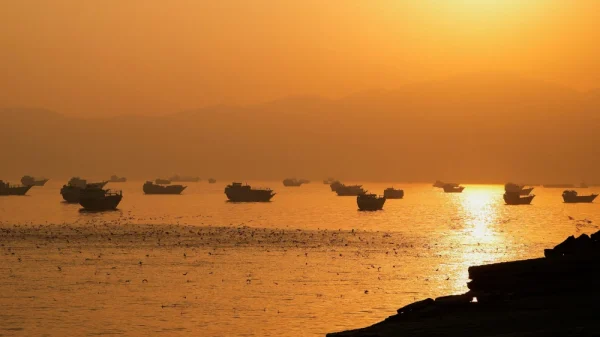
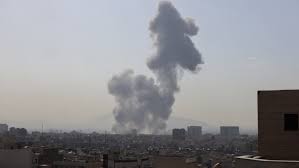
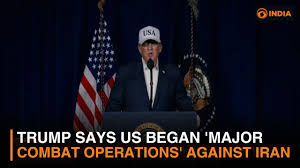















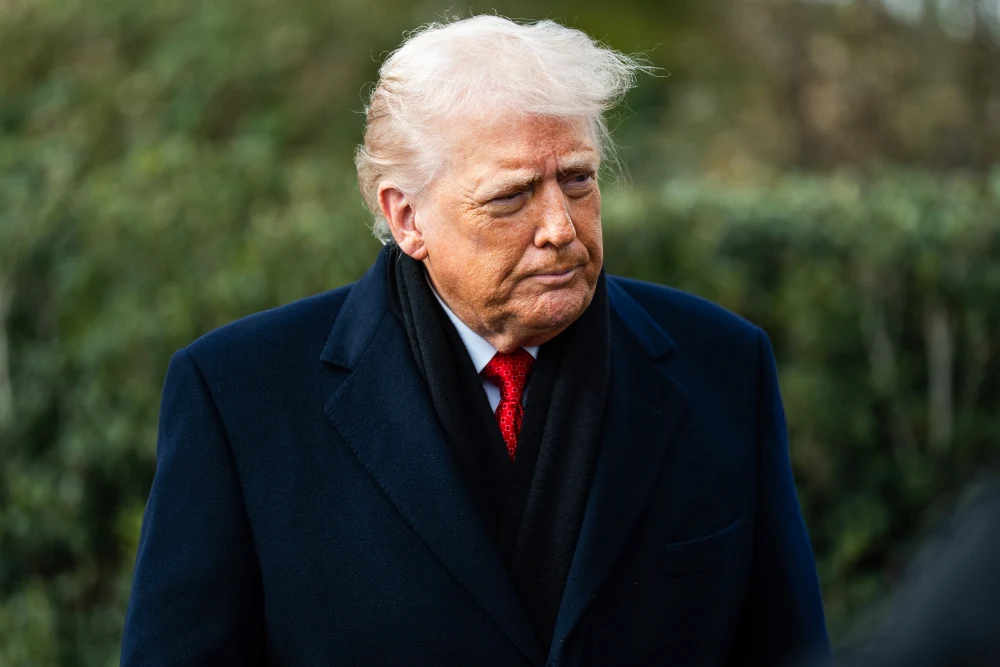
President Donald Trump is urging other nations to help secure the Strait of Hormuz, a vital global shipping route, as Iranian threats to oil shipments continue to disrupt international markets. However, experts caution that ensuring safe passage through the strait will be a complex and risky undertaking.
On Truth Social Saturday, Trump called on countries including China, France, Japan, South Korea, and the U.K. to send warships to protect the corridor. “The U.S. will also coordinate with those countries so that everything goes quickly, smoothly, and well. This should have always been a team effort, and now it will be,” he wrote.
Strategic Importance and Rising Threats
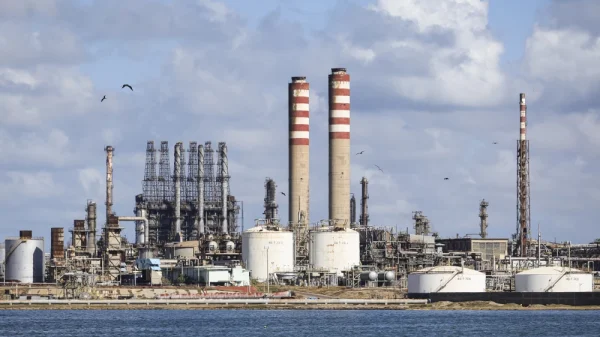
The Strait of Hormuz, linking the Persian Gulf to the open ocean, sees around 3,000 ships each month transporting about a fifth of the world’s oil. Since the conflict in Iran began two weeks ago, multiple vessels have been attacked, effectively halting trade and contributing to rising global oil prices.
Trump indicated that several nations had already expressed support for the plan. Energy Secretary Chris Wright echoed this sentiment, telling NBC News that China is expected to be a “constructive partner” in reopening the strait.
Lukewarm Responses from Key Allies
Despite Trump’s statements, many countries have responded cautiously. Japan has emphasized independent decision-making, refraining from immediate military involvement. France maintains a defensive posture in the region, while China has called for an immediate cessation of hostilities without committing to any naval operations.
The U.K. suggested that ending the conflict remains the most effective way to reopen the strait, though it is exploring options, including the use of autonomous minehunting equipment. South Korea has stated that it will carefully review the request in close consultation with the United States.
Analysts say these hesitant responses highlight the difficulty of assembling a multinational force capable of protecting ships in such a volatile and narrow corridor. H.A. Hellyer of the Royal United Services Institute noted, “Even if a coalition formed, safe passage isn’t guaranteed. More effort will go into de-escalation than military escort.”
Michael A. Horowitz, a security analyst, warned that naval and aerial power alone may be insufficient. “You’d need boots on the ground along key coastal areas to truly neutralize threats. Even then, a single attack could halt traffic,” he said.
Diplomatic Efforts and Military Realities
Some nations are pursuing diplomatic channels for safe passage. Iran’s Foreign Minister Abbas Araghchi confirmed that several countries have requested permission for vessels to pass safely, and that some approvals have been granted by Iran’s military.
Trump acknowledged the limits of military force, noting that despite U.S. strikes that have degraded Iran’s conventional capabilities, Tehran can still deploy drones, mines, or short-range missiles to threaten ships.
Tensions with European allies remain sensitive. Trump previously clashed with the U.K. and Spain over the use of their bases for U.S. operations, underscoring the challenges of coordinating an international response in the region.
As global markets watch closely, reopening the Strait of Hormuz will require a delicate balance of military readiness, diplomacy, and international cooperation—an effort that experts warn may take considerable time and coordination.