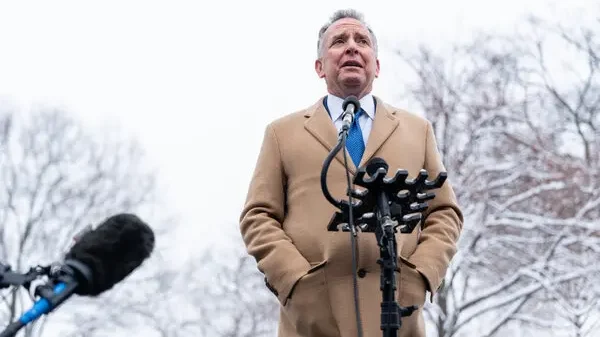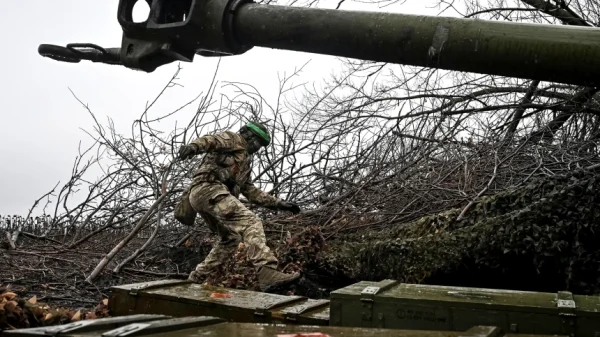

















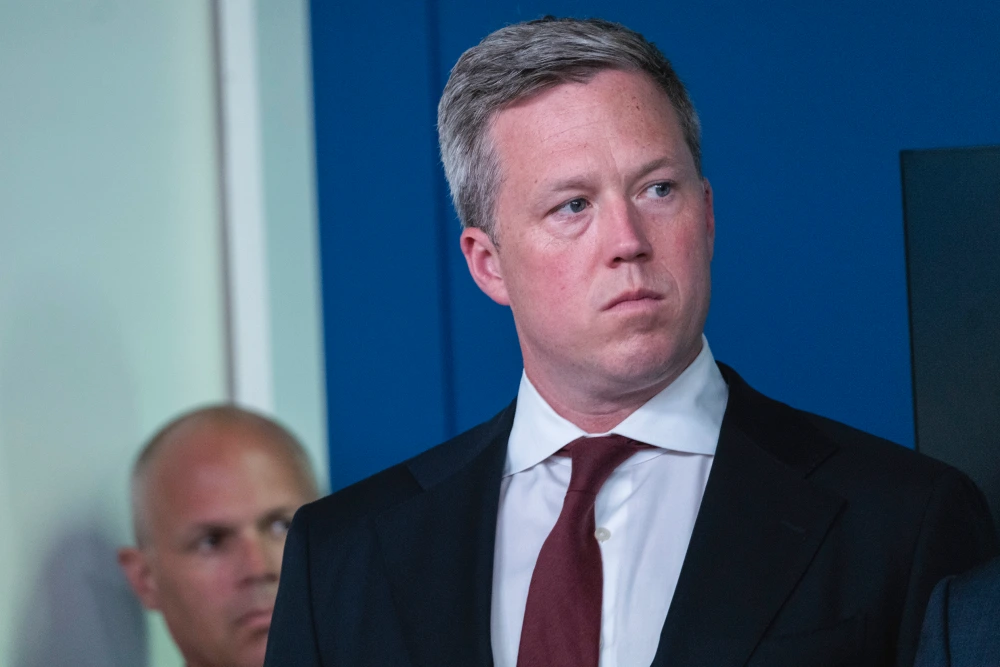
In a high-stakes meeting in Kyiv last week, U.S. Army Secretary Dan Driscoll delivered a stark message to Ukrainian officials, warning that their forces were facing the risk of imminent defeat as Russia intensified its military campaign, according to multiple sources familiar with the discussions.
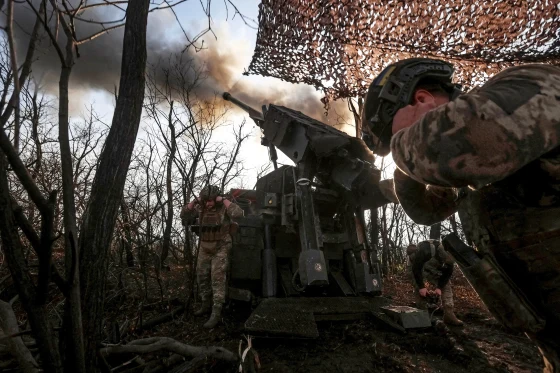
Driscoll outlined a rapidly deteriorating battlefield landscape, citing Russia’s expanding aerial assaults and its capacity to sustain long-term combat operations. He reportedly told Ukrainian counterparts that without a negotiated settlement, the situation would likely worsen and leave Ukraine with even fewer options moving forward.
U.S. officials also acknowledged that the American defense industry could no longer sustain the pace of weapons and air-defense deliveries needed to shield Ukraine’s cities and infrastructure, adding further urgency to Washington’s push for a diplomatic breakthrough.
Kyiv Rejects Early Draft of Peace Plan
The message accompanied the presentation of a U.S.-backed peace proposal that Ukrainian officials viewed as heavily tilted toward Moscow’s demands. The initial draft called for significant territorial concessions, limits on Ukraine’s military capabilities, and an effective end to its aspirations for NATO membership.
One source familiar with the exchange said the message to Kyiv amounted to: “You are losing, and you need to accept the deal.” Ukraine declined to adopt the plan as written, prompting U.S. officials to revise it extensively in the days that followed.
Deepening Rift Inside the Trump Administration
The dispute over how to end the war has exposed a longstanding divide within the Trump administration. One faction, aligned with Vice President JD Vance and special envoy Steve Witkoff, argues that pushing Kyiv toward substantial concessions is the fastest route to peace. The opposing side, led by Secretary of State Marco Rubio, maintains that Russia must face sustained pressure and accountability for its invasion.
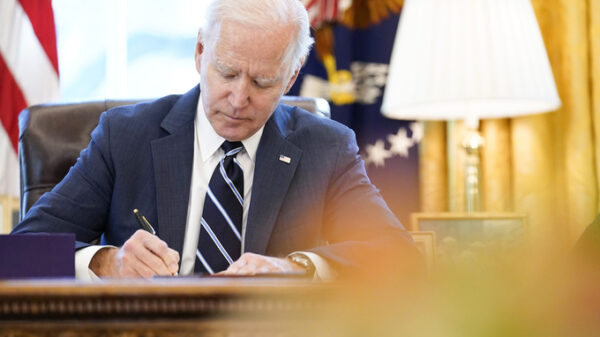
President Donald Trump has oscillated between the competing viewpoints, with both U.S. lawmakers and European allies expressing growing concern about mixed signals coming from Washington.
A White House spokesperson pointed to Trump’s recent comments stating that the peace proposal had been “fine-tuned” and that only a few disagreements remained before a potential high-level meeting with both Ukrainian President Volodymyr Zelenskyy and Russian President Vladimir Putin.
Revised Proposal Gains Ground
The diplomatic scramble intensified after the leak of a 28-point draft peace plan reportedly shaped in discussions between Russian envoy Kirill Dmitriev and U.S. special envoy Witkoff. Despite initial claims that the plan represented American thinking, several of its provisions mirrored Russia’s long-standing demands and contradicted earlier U.S. policy positions.
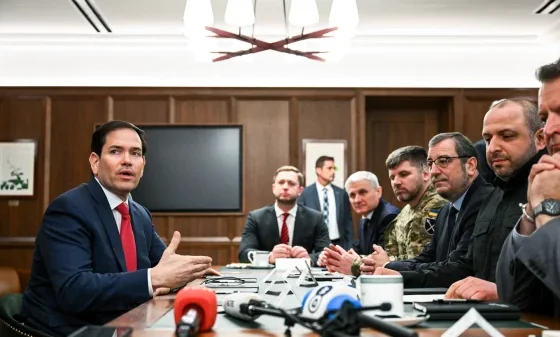
Secretary Rubio quickly sought to reassure lawmakers and partners, emphasizing that any final agreement must reflect input from all sides and that the document was still under active revision. Over the weekend, he met Ukrainian officials in Geneva, where—after additional discussions with European partners—key provisions seen as unacceptable by Kyiv were removed or rewritten.
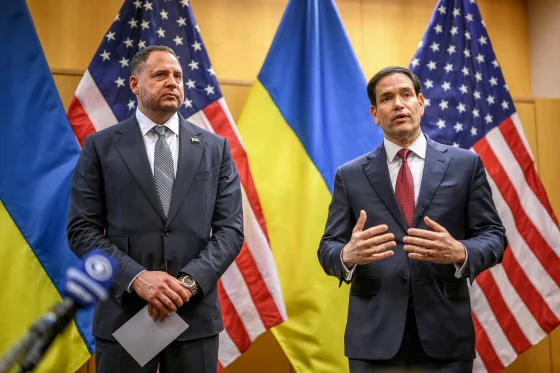
By Tuesday, Ukraine signaled cautious optimism. Rustem Umerov, head of Ukraine’s National Security and Defense Council, said both delegations had reached “a common understanding on the core terms” of a now-reduced 19-point proposal. Ukrainian officials indicated that a visit by President Zelenskyy to Washington was being considered as negotiations advanced.
Moscow Pushes Back as Diplomacy Continues
Driscoll has since traveled to Abu Dhabi for discussions with a Russian delegation. However, Moscow’s initial enthusiasm for the first draft has waned. Russian Foreign Minister Sergey Lavrov suggested that the newest version contradicted principles previously discussed between Trump and Putin during a summit in Alaska, indicating the Kremlin may resist the updated terms.
Analysts say the internal divide within Washington could complicate any lasting diplomatic progress. “If the split lasts, it’s going to be very difficult to pursue a coherent policy,” said William Taylor, former U.S. ambassador to Ukraine and current fellow at the Atlantic Council.
As negotiations continue, the future of the conflict—and the trajectory of U.S. policy—remains uncertain, with Kyiv, Moscow, and Washington all seeking leverage in a rapidly shifting diplomatic landscape.