














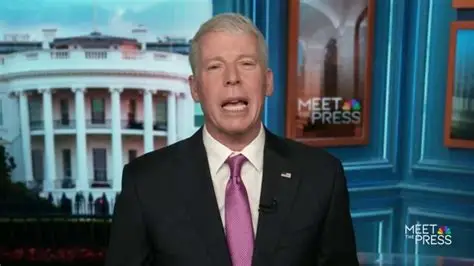
The United States could see gas prices dip below $3 per gallon in the coming weeks, according to Energy Secretary Chris Wright, as the administration works to stabilize global energy supplies amid rising tensions in the Middle East.
Speaking on NBC News’ Meet the Press Sunday, Wright said the U.S. is actively addressing the threats posed by Iran to international oil shipments. “Americans are feeling it right now, but we expect relief in a few more weeks,” Wright stated. He emphasized that the administration aims to secure energy supplies while minimizing risks to U.S. personnel and commercial interests in the region.
Strait of Hormuz Remains a Global Concern
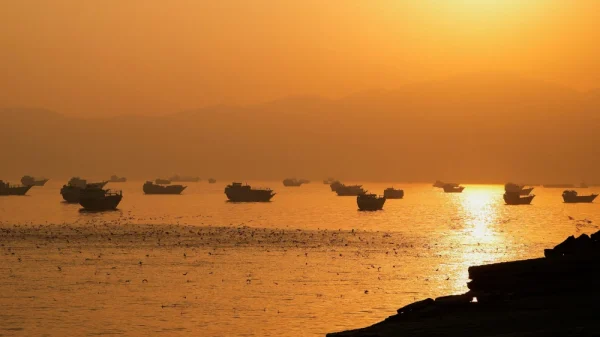
The strategic Strait of Hormuz, a critical passage for global oil shipments, remains unsafe due to ongoing conflicts. Wright confirmed that while the U.S. is coordinating with international partners to reopen the strait, its immediate safety is not yet guaranteed. “Opening the Strait of Hormuz is essential not only for the United States but for countries heavily dependent on its energy flows, including Japan, South Korea, China, Thailand, and India,” he said.
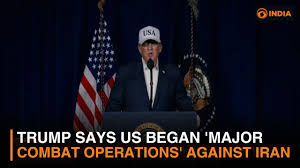
President Donald Trump also addressed the issue, stating that he is seeking collaboration from other nations to ensure the passage remains open. “Hopefully China, France, Japan, South Korea, the UK, and others will send ships to help secure the area,” Trump said in a social media post.
U.S. Military Operations and Energy Strategy
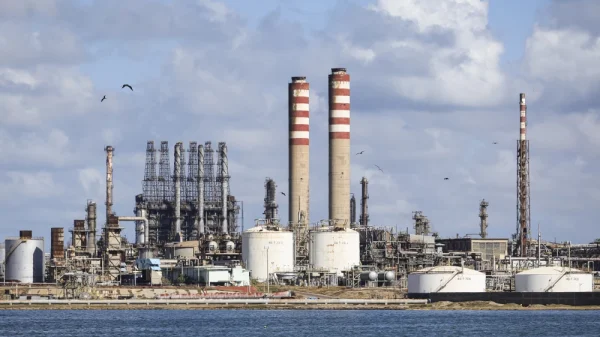
U.S. forces recently conducted strikes on Kharg Island, a key hub in Iran’s oil infrastructure. Wright noted that the focus of military operations remains on neutralizing Iran’s capabilities that threaten oil shipments. “Once those tasks are complete, you will see the straits reopen in the not-too-distant future,” he said.
The ongoing joint U.S.-Israeli conflict in Iran has caused a surge in global oil prices. GasBuddy reports that U.S. gas prices rose from an average of $2.94 per gallon on March 1 to $3.70 recently. While Wright stressed that no outcome is guaranteed amid war, he remained optimistic about the possibility of lower prices before the summer travel season.
International Cooperation Key to Stability
While Wright declined to name specific countries currently assisting in securing the strait, he confirmed ongoing diplomatic dialogue. China, despite being a strategic partner of Iran, is expected to play a constructive role, Wright suggested. “The United States is always in dialogue with China. Their interest in keeping the strait open aligns with ours,” he said.
Top U.S. officials, including Trump, have offered mixed timelines regarding the end of the conflict, but Wright projected that a resolution could occur in the next few weeks. “That’s the likely timeframe,” he said, noting the uncertainty inherent in military operations.
Political Reactions
Some lawmakers have criticized the administration’s handling of the war and energy strategy. Senator Adam Schiff, D-Calif., described the conflict as “unsustainable,” citing unclear objectives and unexpected regional escalations.
As the situation evolves, the administration’s dual approach of diplomatic engagement and targeted military action aims to stabilize energy markets while safeguarding strategic interests in the Middle East.