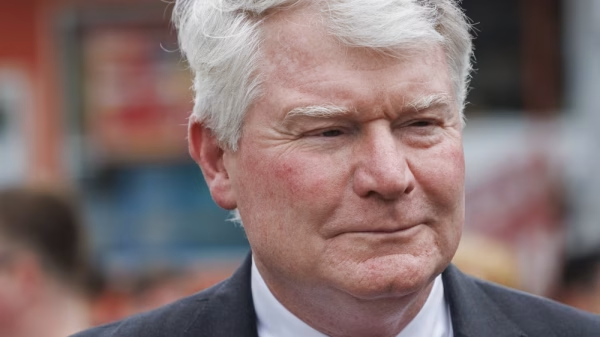













Tehran — Thousands of mourners filled Enghelab (Revolution) Square on Sunday after Iranian state media confirmed the death of Ayatollah Ali Khamenei, who was killed in U.S.-Israeli strikes a day earlier.
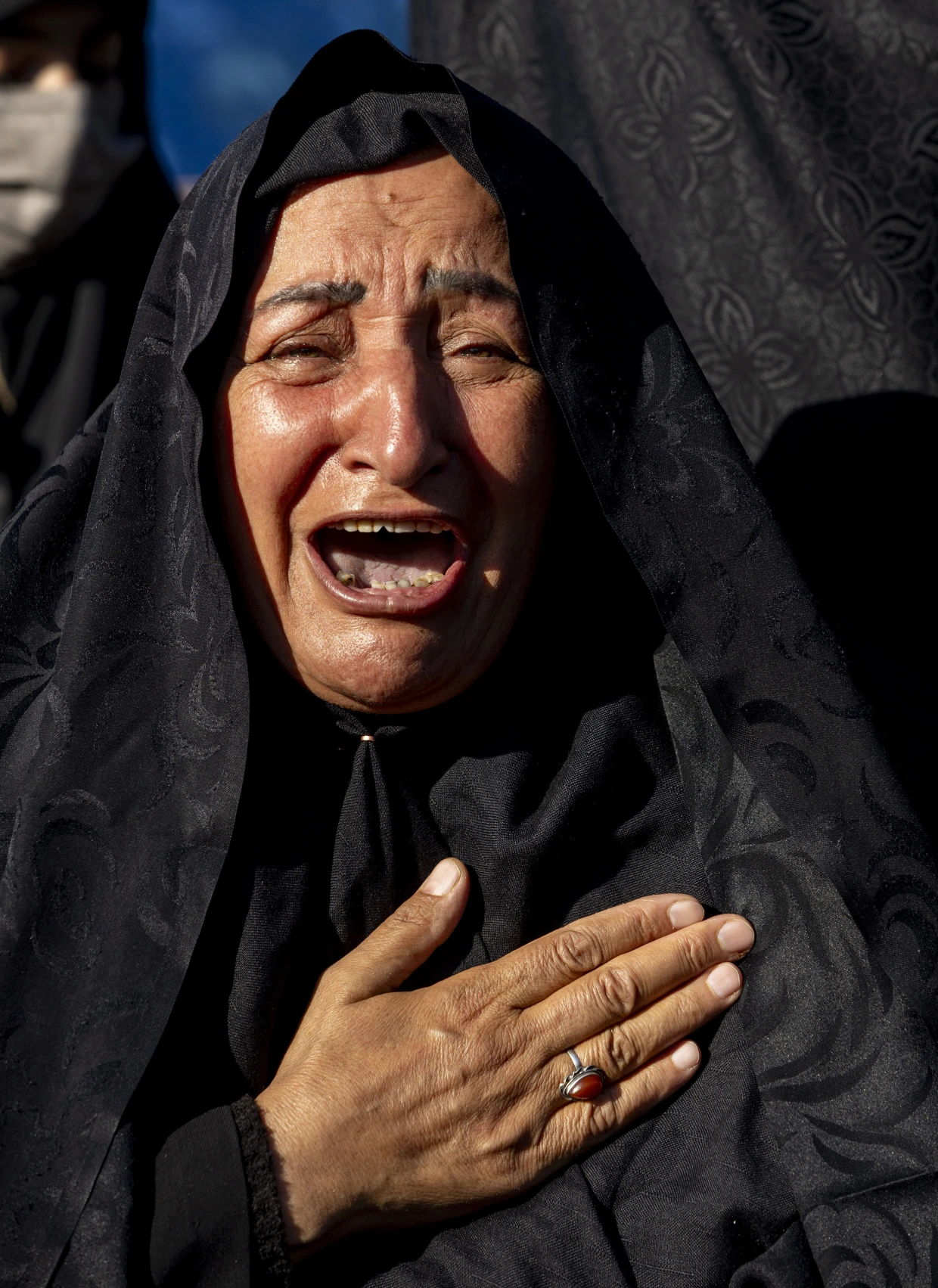
From the early hours of the morning, crowds streamed into central Tehran. Men embraced and wept openly, some leaning against closed storefronts overcome with emotion. Women dressed in black chadors held portraits of Khamenei above their heads, while others sat quietly along the roadside in reflection.
A City in Mourning
Enghelab Square — long a symbolic site for political demonstrations — became the focal point of pro-government tributes. Protesters waved Iranian flags and chanted slogans as they gathered beneath the soft morning light.
Photographs from the scene show:
- Crowds packed tightly together, raising their fists in unison
- Individuals holding framed portraits of Khamenei
- Women lifting posters bearing his image
- Tearful mourners consoling one another
While supporters turned out in large numbers, opponents of the government — who had recently demonstrated in mass protests met with a violent crackdown — were largely absent from the streets Sunday.
Strikes and Escalation
The demonstrations followed the launch of a joint U.S.-Israeli military campaign, dubbed “Operation Epic Fury,” which targeted multiple sites across Iran, including compounds in Tehran.
President Donald Trump described Khamenei’s killing as “justice” in a social media post and said in an interview that much of Iran’s senior leadership was “gone.”
Iran retaliated with waves of missiles and drones targeting Israel and U.S. allies in the region, escalating fears of a broader regional conflict.
A Divided Nation
For Khamenei’s supporters, Sunday’s gathering marked the loss of a leader they viewed as a defender of Iran’s sovereignty against Western pressure. For his critics, who had protested in recent months over economic hardship and political repression, his death signals an uncertain and potentially transformative moment in the country’s history.
As bombs continued to fall and questions about succession loomed, Tehran’s streets reflected both grief and tension — a nation mourning a leader while bracing for what comes next