






















A renewed push to suspend the U.S. federal gas tax is gaining political attention, but new analysis suggests the financial relief for drivers may be smaller than expected amid already elevated fuel prices.
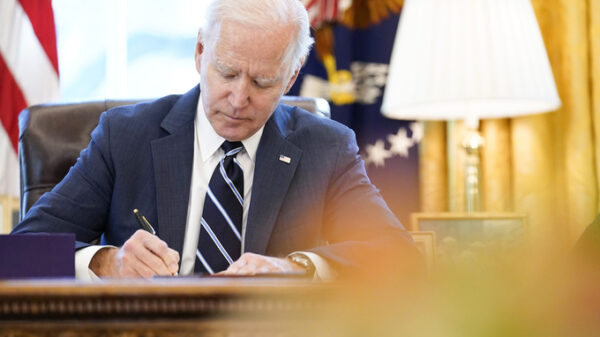
President Donald Trump has proposed suspending the federal gas tax as gasoline prices remain high nationwide, averaging around $4.50 per gallon. However, experts note that even a full tax suspension would not significantly offset broader price increases driven by global market conditions.
What the Federal Gas Tax Covers
In the United States, drivers currently pay an average of about 51 cents per gallon in combined state and federal fuel taxes and fees. The federal portion accounts for 18 cents per gallon, with the remainder coming from state-level charges that vary widely across the country.
The federal tax revenue primarily supports the Highway Trust Fund, which finances highway maintenance and mass transit infrastructure.
Limited Impact on Overall Gas Prices
According to recent analysis, eliminating both federal and state fuel taxes would still leave gasoline prices significantly higher than they were earlier in the year. Prices have risen more than 50% since the onset of global supply disruptions tied to geopolitical tensions.
Even in a scenario where all fuel taxes were removed, average prices would remain roughly 35% higher than pre-crisis levels, indicating that taxes are only a small portion of overall pump costs.
State-Level Actions Already Underway
Some U.S. states have already taken steps to temporarily reduce fuel costs. For example, Georgia has implemented a temporary suspension of its gas tax, while Indiana has introduced a tax holiday. Utah has also reduced its fuel tax rate.
These measures vary in duration and scope, reflecting different state-level approaches to consumer price relief.
Political and Economic Considerations
The proposal to suspend the federal gas tax would require approval from the U.S. Congress. Lawmakers have previously introduced similar proposals, but none have been enacted into law.
Officials have emphasized that any reduction in fuel taxes could impact infrastructure funding, particularly road and transit projects supported by federal fuel tax revenue.
The federal gas tax rate has remained unchanged since 1993, and when adjusted for inflation, its real value has declined significantly over time.
Uneven Tax Burden Across States
Fuel taxes vary widely across the country, creating different price pressures depending on location. In some states, taxes and fees account for a small portion of pump prices, while in others they make up a more substantial share.
On average, taxes represent about 11.5% of the total price per gallon nationwide, though that figure can range significantly depending on local and state policies.