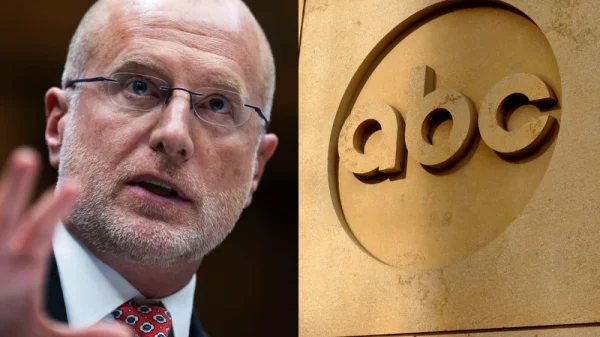


















Washington, D.C. | April 2026 — The Federal Communications Commission (FCC) has directed several Disney-owned television stations across the United States to submit their broadcast license renewal applications ahead of schedule, a rare regulatory move that has sparked debate over free speech, political influence, and media oversight.
Unusual FCC Action Targets Major Disney Stations
The order, issued Tuesday, applies to eight major owned-and-operated stations controlled by The Walt Disney Company, including outlets in key markets such as Los Angeles, New York, and San Francisco. These licenses were originally not due for renewal until 2028.
According to officials, the stations now have 30 days to comply with the directive.
The FCC stated that the decision falls under its mandate to evaluate whether broadcasters are serving the “public interest,” a standard required under U.S. communications law.
Investigation Context and Political Backdrop
Sources familiar with the matter said the move is linked to a broader FCC review into Disney’s diversity, equity, and inclusion (DEI) practices. However, the process reportedly gained urgency following controversy involving late-night host Jimmy Kimmel, who recently made remarks referencing First Lady Melania Trump during a comedy segment.
The issue escalated after Kimmel’s joke sparked criticism from political figures and renewed scrutiny of media conduct.
FCC Cites Public Interest Authority
In its statement, the FCC emphasized that early license review is permitted under the Communications Act when deemed necessary for public interest considerations.
FCC Chairman Brendan Carr has previously signaled openness to reviewing broadcast licenses before their scheduled expiration, citing regulatory authority over national airwaves.
Disney Responds to Federal Order
The Walt Disney Company confirmed receipt of the FCC directive and defended its broadcasting record.
A spokesperson stated that ABC and its owned stations have consistently complied with FCC regulations and maintained strong commitments to local news coverage, emergency broadcasting, and public service programming.
The company also expressed confidence that its operations meet all legal and constitutional requirements and indicated readiness to defend its position through appropriate legal channels.
Free Speech Debate Intensifies
The decision has triggered strong reactions from across the political spectrum. FCC Commissioner Anna M. Gomez, the agency’s sole Democratic member, criticized the move, calling it unprecedented and legally questionable.
Meanwhile, advocacy group Free Press condemned the action, arguing that it reflects political pressure on regulatory institutions and raises concerns about media independence.
An FCC spokesperson rejected these claims, stating that the review is strictly based on an ongoing investigation into Disney’s corporate policies and not related to broadcast content or individual speech.
Broader Controversy Surrounding Media and Politics
The dispute unfolds amid heightened political tension between the White House and major media organizations. Recent comments made by Kimmel during a televised monologue—widely interpreted as satire—drew criticism from political leaders, including calls for disciplinary action.

The situation has reignited national debate over the boundaries of political satire, broadcaster responsibility, and First Amendment protections.
Industry Watching Closely
With some of the country’s largest media markets affected, industry observers say the FCC’s decision could set an important precedent for future regulatory actions involving major broadcasters.
As the review process moves forward, Disney is expected to submit documentation supporting its compliance record, while legal and political scrutiny of the case continues to grow.