















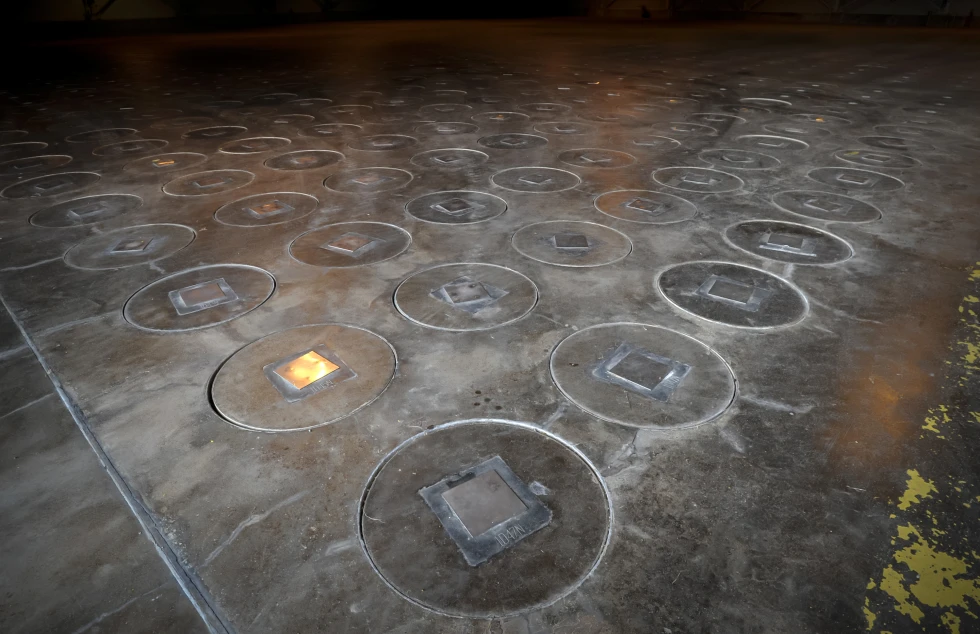
Workers at the Savannah River Site, a former U.S. nuclear weapons facility near Aiken, discovered a radioactive wasp nest, officials confirmed. Radiation levels at the nest were reportedly 10 times above federal safety limits, though authorities stressed there is no danger to the public.
Discovery and Response
The nest, found on July 3 on a post near tanks containing liquid nuclear waste, was treated with insecticide, removed, and disposed of as radioactive waste. No wasps were present at the time of removal.
The Department of Energy indicated that the radioactivity likely stems from “onsite legacy radioactive contamination” from the site’s operational period during the Cold War, when it produced plutonium pits for U.S. nuclear bombs. The facility now focuses on nuclear fuel production and cleanup.
Safety and Oversight
Savannah River Mission Completion, which currently oversees the site, stated the tank farm is well within the site boundaries and the wasps’ limited flight range prevents exposure outside the facility. Any wasps would carry far lower levels of radiation than the nest itself.
However, watchdog group Savannah River Site Watch expressed concern about gaps in reporting. The group noted that knowing the type of wasp nest could help pinpoint the source of contamination and assess potential leaks. Executive Director Tom Clements criticized the lack of clarity regarding the nest’s origin and possible ongoing hazards.
Legacy of the Site
Opened in the early 1950s, the Savannah River Site produced key components for nuclear weapons during the Cold War. Over its operational lifetime, the site generated more than 165 million gallons (625 million liters) of liquid nuclear waste, now reduced to approximately 34 million gallons (129 million liters) through evaporation. Of the underground tanks, 43 remain in use while eight have been closed.
Officials emphasize that the discovery, while unusual, poses no immediate threat. The event highlights the long-term environmental and radiological challenges associated with historic nuclear production sites.