

























The annual CES tech expo once again showcased the dazzling promise of artificial intelligence, but it also served up a cautionary tale about overcomplicated gadgets. The “Worst in Show” awards, given to products deemed unnecessary, invasive, or poorly designed, were announced Thursday, spotlighting AI-driven appliances and devices that critics say miss the mark.
Samsung’s AI Fridge Wins Top “Worst” Honor
Samsung’s Bespoke AI Family Hub refrigerator was named the overall “Worst in Show.” The fridge features voice-activated door controls, computer vision to track groceries, and integrated advertisements for replenishing items.
However, judges criticized the appliance for adding complexity to a device that should primarily keep food cold. Gay Gordon-Byrne of the Digital Right to Repair Coalition pointed out that the AI features often fail in noisy environments, making simple tasks frustrating.
Samsung defended the product, noting that the challenges of a trade show floor differ from a home setting and emphasizing that security and privacy are core to the fridge’s AI functions.
Privacy Concerns with Amazon’s AI-Enhanced Ring
Amazon’s Ring doorbell cameras received the “Worst in Show” award for privacy. The company recently added features such as AI-powered unusual event detection and facial recognition, prompting concerns over increased surveillance.
Cindy Cohn, executive director of the Electronic Frontier Foundation, criticized the new capabilities for reinforcing the misconception that more monitoring equates to more safety. Amazon did not respond to requests for comment.
AI Companion Sparks Controversy
The “People’s Choice” for worst product went to Ami, an AI companion by Chinese tech firm Lepro. Marketed as a 3D “soulmate” for remote workers, the device tracks eye movement and emotional cues. Advocates criticized its always-on surveillance capabilities and questioned the notion of an AI as a personal companion.
Lepro has not issued a statement regarding the award.
Other Notable Misfires
- Lollipop Star — A candy that plays music through bone conduction, criticized for creating disposable electronic waste.
- Merach AI Treadmill — An internet-connected treadmill with an AI coach that adjusts speed and incline, raising concerns over the collection of sensitive biometric data.
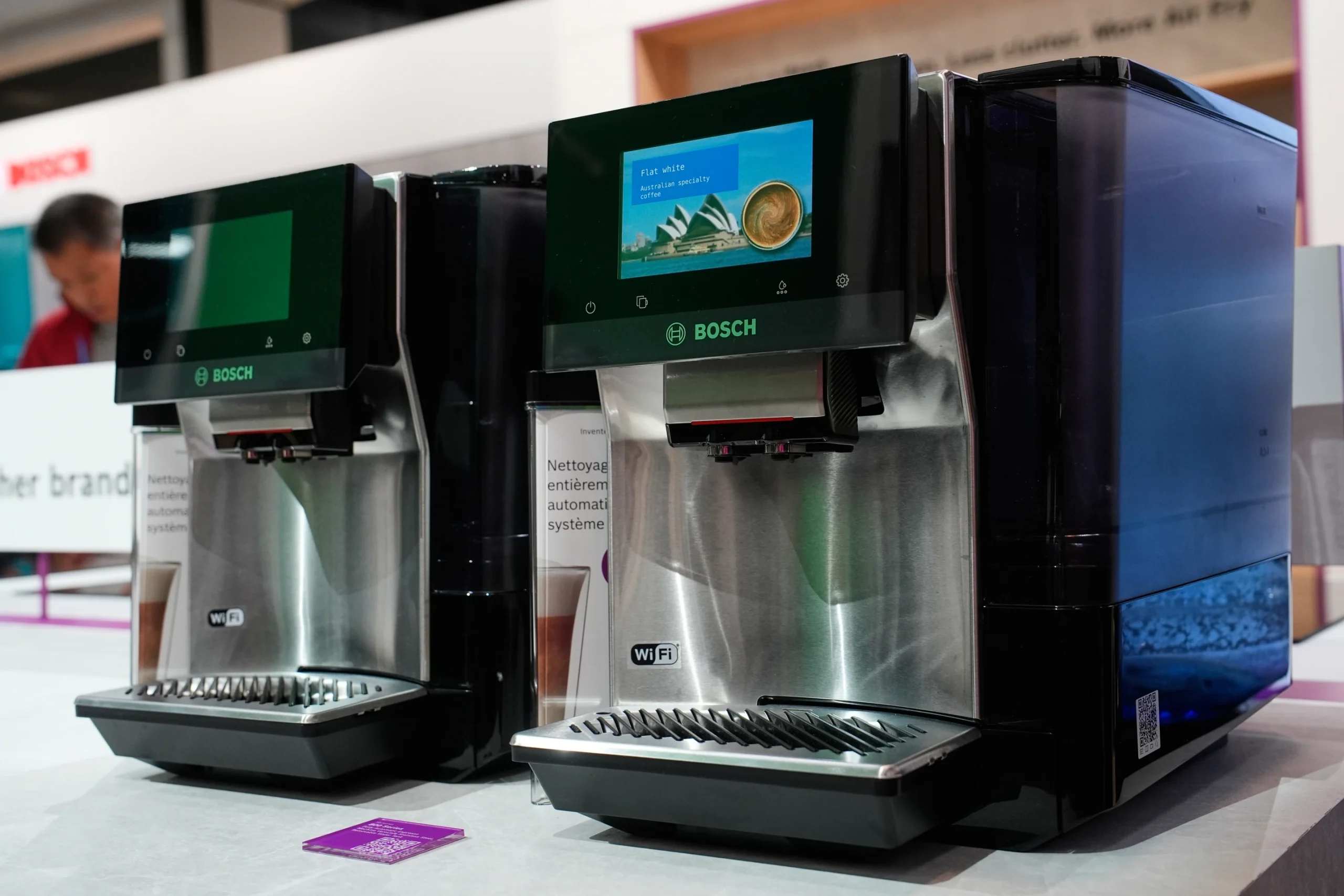
- Bosch AI Espresso Machine and E-Bike App — The espresso machine integrates subscription-based AI features, while the e-bike app locks certain parts to prevent theft, raising repairability and security questions.
Judges, representing groups such as Consumer Reports, iFixit, and the Electronic Frontier Foundation, evaluate products based on innovation, usability, and potential negative impact if widely adopted.
Elizabeth Chamberlain, iFixit’s director of sustainability, noted that the awards aim to highlight industry trends and encourage better product design rather than single out specific manufacturers.
As CES continues to push the boundaries of AI in everyday products, the “Worst in Show” winners serve as a reminder that innovation can sometimes overreach, prioritizing novelty over functionality and user privacy.
— AP video journalist James Brooks contributed to this report from Las Vegas.