




















WASHINGTON — The United States has intensified diplomatic and political pressure across Latin America in an effort to reduce China’s growing economic and strategic footprint in the region. The latest moves come as President Donald Trump pushes a broader strategy to restore Washington’s influence in the Western Hemisphere.
In recent weeks, the U.S. administration has taken several assertive actions targeting Chinese-linked projects and partnerships throughout the region, signaling a tougher approach toward Beijing’s presence in Latin America.
Sanctions and Warnings Over Chinese Projects
The U.S. government recently imposed travel restrictions on three officials from Chile linked to discussions about building a submarine fiber-optic cable connecting the country with China. Washington views the project as a potential strategic risk due to concerns about Chinese control over critical communications infrastructure.
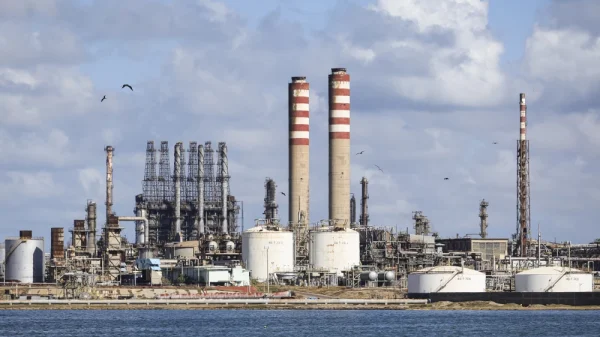
At the same time, U.S. officials have warned Peru about allowing China to gain influence over a massive port facility being developed with Chinese investment. The deep-water port in Chancay—one of the largest infrastructure projects in the region—has raised alarms in Washington over the possibility that it could serve military or strategic purposes in the future.
Meanwhile, Panama has already taken steps following pressure from the Trump administration. Authorities there moved to take control of two ports near the Panama Canal previously operated by a Hong Kong-based company. The action followed repeated warnings from Washington about the strategic significance of the canal.
Regional Summit to Reinforce US Influence
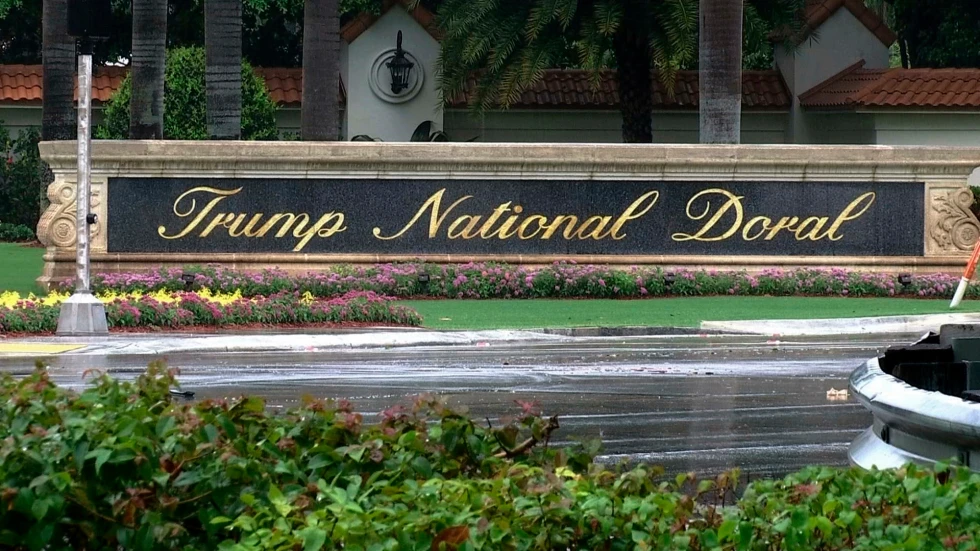
President Trump is expected to host several Latin American leaders at his golf resort near Miami for a summit known as the “Shield of the Americas.” The meeting is aimed at strengthening regional cooperation and countering China’s expanding economic presence.
Supporters of the administration’s policy argue that stronger measures are necessary to prevent Beijing from gaining strategic leverage near U.S. borders. Critics, however, warn that such pressure could deepen political divisions within Latin America.
Political analyst Francisco Urdinez of the Pontifical Catholic University of Chile believes the strategy may force countries to take sides.
According to Urdinez, governments with conservative leadership may align more closely with Washington, while left-leaning administrations could strengthen ties with China. Countries in the middle may attempt to balance relationships with both powers.
China’s Expanding Economic Footprint
Over the past two decades, China has become a major economic partner for many Latin American nations. While the United States historically dominated trade with the region, China has steadily expanded its influence through infrastructure investments, trade agreements, and financial assistance.
Research shows that by the early 2020s, most South American countries—except Paraguay and Colombia—conducted more trade with China than with the United States. Analysts say Beijing’s ability to provide financing for large infrastructure projects has made it an attractive partner for developing economies.
Between 2014 and 2023, Chinese loans and grants to Latin America and the Caribbean totaled roughly $153 billion, according to data from AidData, a research initiative at William & Mary. During the same period, the United States provided approximately $50.7 billion in comparable financing.
Experts say China’s investments have been especially significant in sectors such as renewable energy, transportation infrastructure, and emerging technologies.
Strategic Concerns in Washington
The White House’s National Security Strategy released in December highlighted concerns about the loss of U.S. influence in the Western Hemisphere. The document emphasized the need to prevent external powers from controlling critical infrastructure or positioning strategic assets in the region.
China has also strengthened diplomatic ties across Latin America. Since 2016, Panama, the Dominican Republic, El Salvador, Nicaragua, and Honduras have switched diplomatic recognition from Taiwan to Beijing in pursuit of economic opportunities.

Taiwan remains a sensitive issue in U.S.-China relations. Beijing views the island as part of its territory, while Washington maintains a commitment to support Taiwan’s ability to defend itself.
Latin America Balancing Competing Powers
Despite growing geopolitical tensions, many Latin American governments appear reluctant to fully align with either Washington or Beijing. Analysts suggest most countries prefer to maintain economic partnerships with both powers.
Enrique Millán-Mejía, a senior fellow at the Atlantic Council’s Adrienne Arsht Latin America Center, says regional leaders are seeking the best economic opportunities while maintaining strong ties with the United States.
However, China still holds a significant advantage due to its existing investments in infrastructure, logistics, technology, and security sectors.
China’s Response
Chinese policy analysts argue that Beijing’s involvement in Latin America is primarily economic rather than strategic. According to experts, China’s priority is protecting its investments and maintaining trade relationships with the region.
At the same time, China expects recognition of its core interests—particularly regarding Taiwan—when dealing with global powers.
As the rivalry between Washington and Beijing intensifies, Latin America is increasingly becoming a key arena in the broader geopolitical competition between the world’s two largest economies.