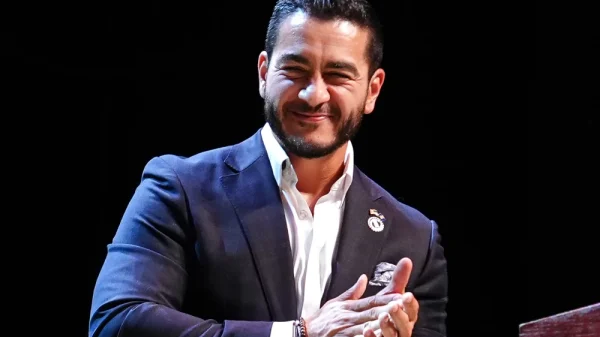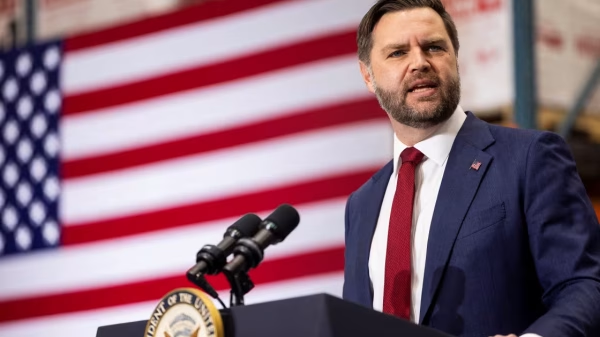
















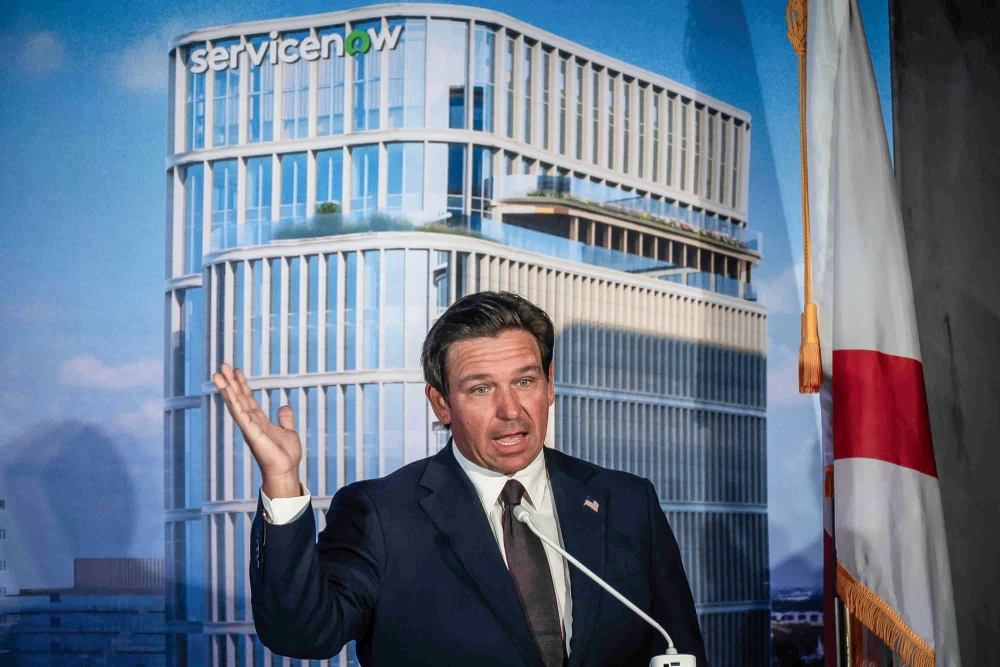
Florida Governor Ron DeSantis is positioning himself as a high-profile AI skeptic, aiming to contrast his stance with other Republican leaders, including Vice President JD Vance and Senator Marco Rubio, as the 2028 presidential race begins to take shape.
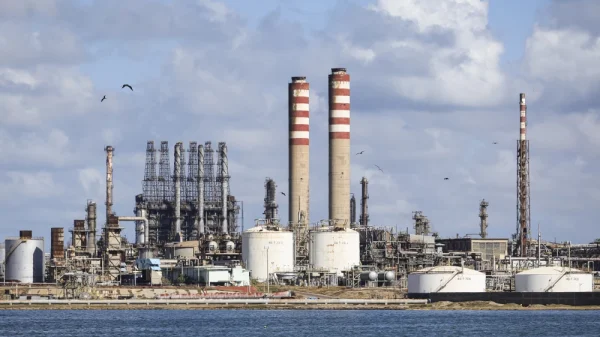
DeSantis has voiced concern about the rapid growth of artificial intelligence, particularly the environmental and economic impacts of large data centers, which can consume power equivalent to a half-million-person city. He frames his skepticism as a consumer protection issue and a cautionary response to AI’s societal risks.
“We don’t want to see them building a massive data center and then sending you the bill,” DeSantis said.
Political Strategy
Sources close to DeSantis indicate that his AI stance is both policy-driven and politically strategic. With Vance and Rubio aligned with pro-AI policies, DeSantis sees an opportunity to distinguish himself with a populist message that resonates with voters worried about job displacement, rising energy costs, and local impacts from large-scale AI infrastructure.
DeSantis aides have cited societal concerns, including AI’s potential to harm children, as a reason for his skepticism. Additionally, Florida’s status as a key battleground state makes it an important focus for AI companies, which are already influencing local politics. Notably, the pro-AI super PAC Leading the Future has spent $5 million supporting Republican Rep. Byron Donalds’ gubernatorial campaign, signaling the industry’s interest in Florida.
Public Opinion
Recent polling shows Americans are concerned about AI’s effects:
- A February poll by The Economist and YouGov found that 63% of U.S. adults, including 60% of 2024 Trump voters, believe AI will reduce the number of jobs.
- A Morning Consult poll in November found that 41% support banning data centers near homes, with only 36% opposed.
Contrast With JD Vance
Vance, a Silicon Valley venture capitalist and AI proponent, emphasizes AI as a growth driver, drawing parallels to historical automation like ATMs. He supports national AI regulatory frameworks over state-level restrictions, positioning him directly opposite DeSantis.
“The worst possible outcome would be to have far-left California dominate the entire AI regulatory map,” Vance said, highlighting his preference for a federal approach rather than the state-level regulations DeSantis advocates.
DeSantis’ team frames his approach as populist, aimed at voters who feel left behind by rapid AI expansion and wary of local data center impacts.
The Broader Debate
DeSantis’ AI skepticism is also tied to broader geopolitical concerns. Some officials argue that his cautionary stance highlights the U.S.-China AI “arms race” and the need to carefully balance industrial growth with consumer protection.
While Trump remains a dominant figure in the Republican Party, DeSantis is using AI regulation as a potential differentiator against Trump allies, including Vance and Rubio, as the 2028 presidential nomination race begins to unfold.