





















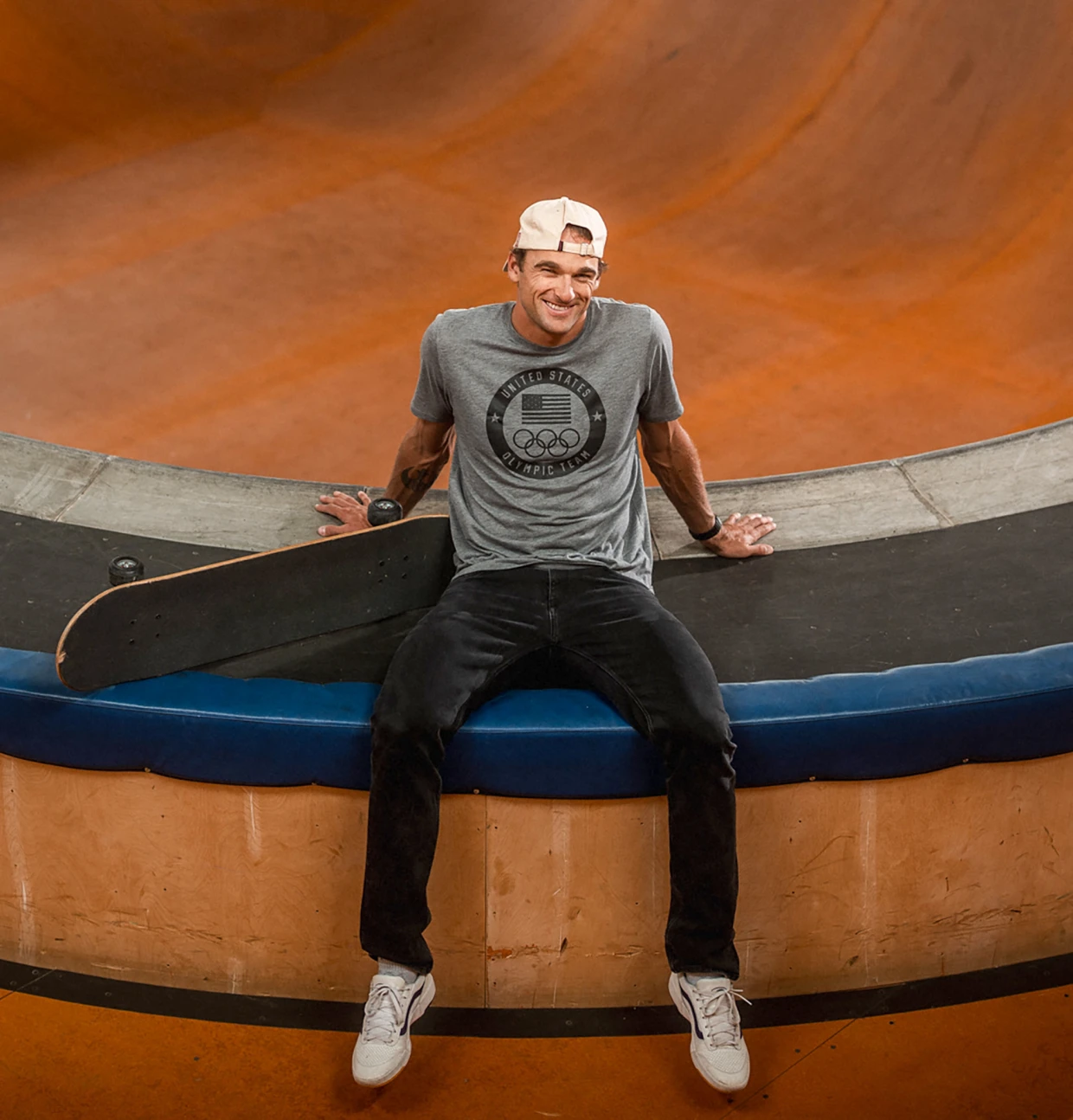
PARK CITY, Utah — For Nick Goepper, Olympic glory once brought crushing darkness.
Twelve years after capturing a medal at the Sochi Winter Games, the American freestyle skier is preparing for his fourth Olympics — this time in halfpipe at Milan Cortina — with something he once struggled to find: peace.
The Aftermath of Olympic Success
At the 2014 Winter Olympics, Goepper earned a slopestyle medal at just 23 years old. The achievement launched him into international recognition, sponsorship opportunities, and intense public attention. But when the spotlight faded, he says he experienced what felt like an “Olympic hangover.”
The structure that had defined his life for years suddenly disappeared. The training, the singular goal, the constant validation — gone. In its place came depression, anxiety, and isolation.
Goepper later revealed he contemplated suicide during that period. He turned to alcohol, and in late 2014 was charged with criminal mischief after damaging vehicles in an incident that became a turning point in his life.
Seeking Help and Starting Over
Recognizing he needed change, Goepper entered a 60-day addiction treatment program. He committed to sobriety and maintained it for three years before relapsing after another emotional crash following the 2018 Winter Olympics, where he again reached the podium.
He returned to rehab — and says he has not consumed alcohol since.
Through therapy, sobriety, and the support of close friends and family, Goepper rebuilt his foundation. He learned that connection, not achievement, was the antidote to the emotional lows he experienced after the Games.
“Human beings ride these crazy waves of emotion,” he said. “Connecting with people is the opposite of depression.”
Retirement — and a Spark Rekindled
Despite remaining one of the sport’s elite competitors — including another medal at the 2022 Winter Olympics — Goepper felt burned out. He stepped away from skiing, unsure whether he would return.
Watching the 2023 X Games from home confirmed he needed the break. Instead of regret, he felt relief.
But elite competitors rarely stay away forever.
Ten months later, the competitive fire returned — with a twist. Rather than going back to slopestyle, Goepper shifted to halfpipe, a discipline requiring a different rhythm and technical precision but still rooted in freestyle fundamentals.
The transition wasn’t seamless. Halfpipe demands subtle adjustments in rotation and landing mechanics, as athletes launch from and return to the same curved ramp. Still, Goepper’s years of experience helped him adapt quickly.
A New Perspective in Milan
Now preparing for Milan Cortina, Goepper approaches competition differently than he did as a young medalist in Sochi. Winning is no longer his sole measure of worth.

Instead, he focuses on community, balance, and gratitude — surrounding himself with trusted coaches, friends, and family who form what he calls his “bubble.”
After twice hitting emotional rock bottom following Olympic highs, Goepper says he understands something many athletes learn too late: fulfillment cannot depend solely on medals.
As he drops into the halfpipe this week, he does so not just as a decorated Olympian, but as someone who fought his way back from addiction and depression — and rediscovered joy along the way.