












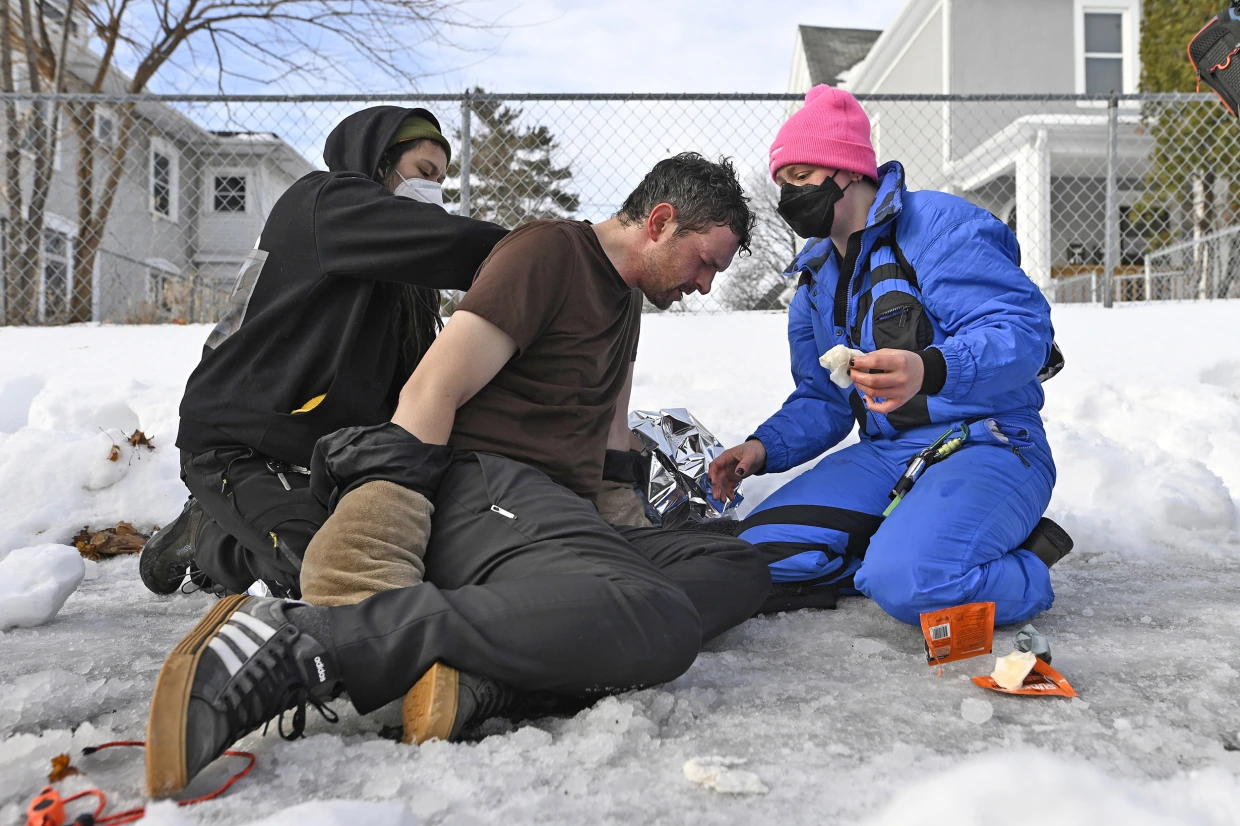
Minneapolis is grappling with a profound sense of fear, grief, and civic upheaval following an unprecedented surge of federal immigration enforcement that residents say has altered the rhythm of daily life across the city.
Since December, thousands of federal immigration agents have been deployed to Minneapolis and surrounding communities in what the Department of Homeland Security describes as the largest immigration enforcement operation in U.S. history. The operation has resulted in more than 3,000 apprehensions and, most critically, the fatal shootings of two U.S. citizens—Renee Good and Alex Pretti—by immigration agents. Their deaths have become a defining moment for the city, sparking outrage, activism, and widespread disruption.
A City Marked by Mourning and Resistance
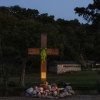
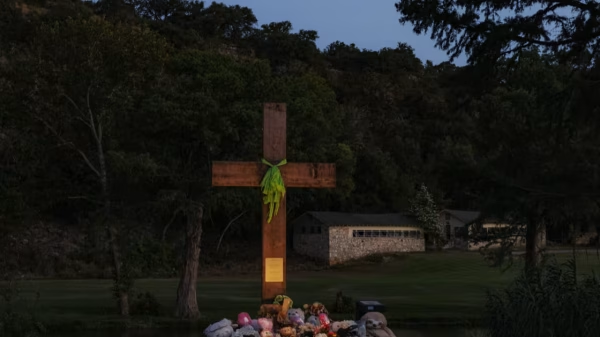
Signs of collective grief are visible throughout Minneapolis. Anti-ICE posters line storefronts, bridges, and streetlights, while “Know Your Rights” flyers appear in cafes and community centers. Vigils and memorials have become gathering points for residents struggling to reconcile everyday routines with the trauma unfolding around them.
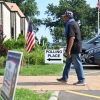
Many residents say ordinary tasks now feel surreal. Grocery shopping, commuting to work, or attending public events are overshadowed by the constant presence of federal agents and the lingering shock of the shootings.
Community Mobilization at an Unprecedented Scale
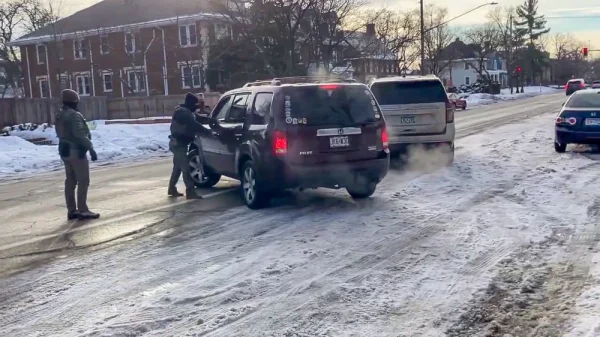
In response, grassroots organizing has surged. Volunteer networks monitor neighborhoods for immigration enforcement activity, document encounters, and, in some cases, attempt to intervene by forming human barriers or alerting communities in real time. Mutual aid efforts have expanded rapidly, with thousands of volunteers delivering food and essential supplies to undocumented families afraid to leave their homes.
Faith-based organizations have also stepped in. Local churches and nonprofits report assisting tens of thousands of families, describing the situation as a humanitarian emergency driven by fear, economic instability, and sudden loss of income.
Some residents have made dramatic personal sacrifices. Professionals have left stable jobs to dedicate themselves full-time to community defense and volunteer coordination, saying the crisis has reshaped their priorities and sense of responsibility.
Economic and Cultural Fallout
The enforcement operation has taken a visible toll on local businesses. At once-crowded markets and commercial corridors, foot traffic has dropped sharply. Business owners report staffing shortages as workers stay home, worried about potential detention or deportation. Some establishments have boarded up windows or closed temporarily, amplifying the sense of uncertainty.
Public events, including professional sports games, have become platforms for protest. Moments of silence, banners calling for an end to immigration enforcement actions, and organized demonstrations have become common at large gatherings.
Fear in Schools and Families
The impact has been especially acute for families with children. Reports of immigration agents detaining individuals near schools and bus stops have intensified anxiety, even among U.S. citizens and long-term residents. School districts serving more than 60,000 students have expanded online learning options as some parents keep children home out of fear.
Educators say attendance has dropped dramatically, particularly in adult education and English-language programs. Classes have been canceled or moved online when immigration vehicles were spotted nearby, disrupting education and further isolating vulnerable communities.
Federal officials maintain that children are not targeted during enforcement operations, but local school leaders say fear alone has been enough to upend normal schooling for many families.
Protests Become a Daily Reality
Demonstrations now take place almost daily across Minneapolis, particularly outside federal buildings and detention facilities. While largely peaceful, the protests are persistent and highly organized, with volunteers distributing food, water, and winter supplies to participants braving harsh temperatures.
Large-scale actions have included airport picket lines, downtown marches, and partial economic shutdowns. For many residents, activism has become part of daily life—something woven into evenings, weekends, and any moment not spent at work.
A City Transformed
For Minneapolis, the federal immigration crackdown has become more than a policy dispute—it is a lived reality reshaping neighborhoods, schools, businesses, and personal lives. Residents describe a city unified by grief but also galvanized by a renewed sense of solidarity and resistance.

As investigations into the fatal shootings continue and enforcement operations remain ongoing, many here say the changes feel permanent. The question now facing Minneapolis is not whether life has been transformed, but how the city will carry forward in the shadow of this moment.