


















WASHINGTON — The Environmental Protection Agency announced Monday that it will no longer calculate the monetary value of deaths avoided and health care costs saved from air pollution rules targeting fine particulate matter (PM2.5) and ozone. The move shifts the agency’s focus solely to the compliance costs for industry, marking a significant realignment under President Donald Trump’s administration toward a business-friendly regulatory approach.
The EPA said it “absolutely remains committed to our core mission of protecting human health and the environment,” but that it will “not be monetizing the impacts at this time.” The agency will continue to estimate costs to businesses and refine its economic methodologies, spokeswoman Brigit Hirsch said.
Critics Warn of Public Health Risks
Environmental and public health advocates denounced the change, calling it a dangerous abdication of the agency’s mission. John Walke, senior attorney for the Natural Resources Defense Council, said, “By pretending real health benefits do not count, EPA wants to open the door for industry to foul the air, while communities and families pay the price in asthma attacks, heart disease and premature deaths.”
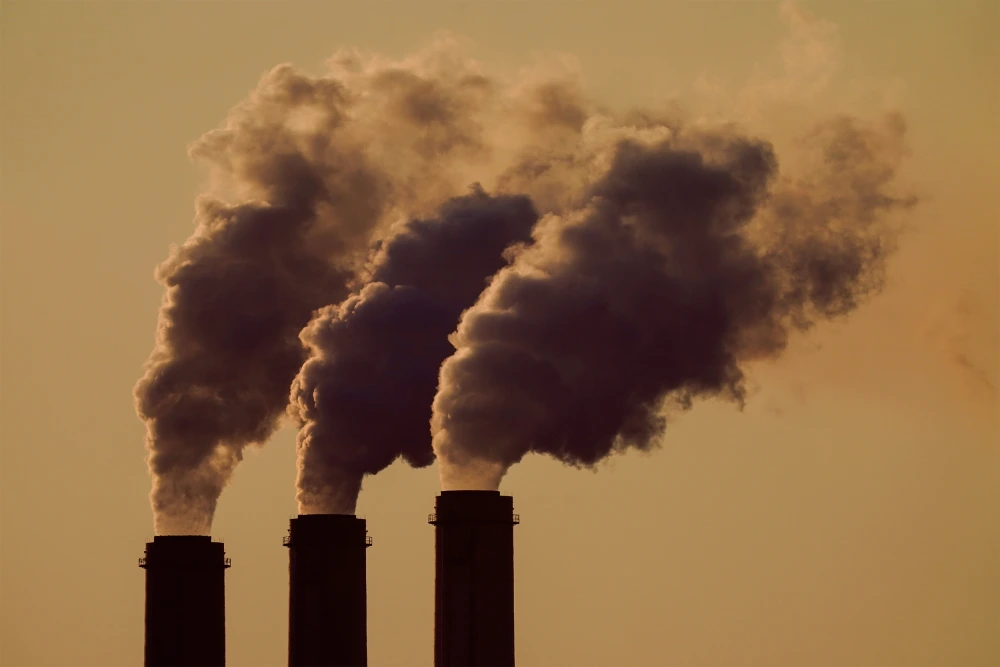
The move coincides with the Trump administration’s efforts to roll back stringent rules on soot and ozone pollution, including a new nitrogen oxide (NOx) standard for gas-burning turbines that critics say is substantially weaker than previous protections. NOx contributes to smog and serious health problems, including heart and lung disease.
Historically, both Republican and Democratic administrations have used estimates to assign a monetary value to human lives in cost-benefit analyses. Under the Biden administration, EPA estimated that proposed PM2.5 rules could prevent up to 4,500 premature deaths and 290,000 lost workdays by 2032, with up to $77 in health benefits for every $1 spent on pollution reduction. The Trump administration contends that such estimates overstate the certainty of the data.
Experts Say Move is Unprecedented
Legal and academic experts warned that abandoning monetized health benefits could undermine the rationale for all environmental, health, and safety regulations. W. Kip Viscusi, a law professor at Vanderbilt University who helped develop systems for valuing health risks, said, “Trump’s use of a zero value for expected lives saved is unprecedented and will have a devastating impact on environmental regulations.”
EPA maintains that while the agency will not assign dollar values, it continues to quantify emissions and recognizes the public health benefits of reducing air pollution.