




















The U.S. military said Monday it carried out airstrikes against three vessels suspected of drug trafficking in the eastern Pacific Ocean, killing eight people believed to be affiliated with U.S.-designated narco-terrorist organizations.
According to U.S. Southern Command, the boats were operating in international waters along established narcotics trafficking routes. Defense officials said the vessels were actively engaged in drug smuggling operations when they were targeted.
Southern Command stated that three people were killed aboard the first vessel, two on the second, and three on the third. The strikes were authorized by Defense Secretary Pete Hegseth and form part of an expanded U.S. military campaign aimed at disrupting maritime drug trafficking networks.
Ongoing Campaign Against Drug Trafficking
The latest operation marks the 23rd, 24th, and 25th known U.S. strikes on suspected drug boats in the eastern Pacific and Caribbean regions since early September. Defense officials say at least 94 people have been killed in those operations to date.
U.S. Southern Command has emphasized that the targeted vessels were linked to organizations designated by the United States as terrorist groups, describing their activities as part of a broader narco-terror network fueling the global drug trade.
Video footage released by the command shows one of Monday’s strikes, depicting a vessel being hit while allegedly transporting illicit narcotics.
Political and Regional Context
The strikes come amid heightened tensions between Washington and Caracas, as well as growing scrutiny over U.S. military tactics in counter-narcotics operations. Particular attention has focused on a September 2 strike in which U.S. forces conducted a follow-up attack on survivors of an initial strike on a suspected drug boat.
The Trump administration has defended the campaign as a critical measure to curb the flow of fentanyl into the United States. Fentanyl, a powerful synthetic opioid, remains the leading cause of overdose deaths nationwide and is often produced using precursor chemicals sourced abroad and trafficked through transnational criminal networks.
Last month, Hegseth said the administration’s objective was to dismantle trafficking operations at sea and eliminate individuals linked to what the U.S. considers terrorist organizations involved in drug smuggling.
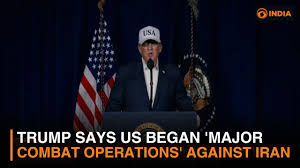
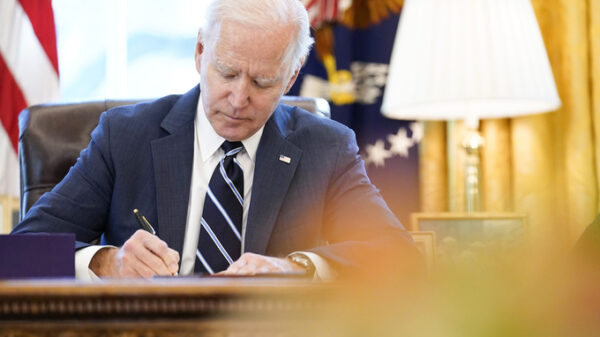
On Monday, President Donald Trump further escalated the administration’s response by signing an executive order designating fentanyl and its primary precursor chemical as weapons of mass destruction, a move that could expand legal and military tools used against trafficking groups.
Broader Implications
Human rights groups and legal experts continue to question the long-term consequences of using military force in counter-narcotics efforts, particularly when operations occur in international waters. U.S. officials, however, argue the strikes are lawful, targeted, and necessary to combat a drug epidemic they say is killing tens of thousands of Americans each year.
U.S. Southern Command said additional operations could follow as part of what it described as an ongoing effort to disrupt maritime drug trafficking corridors.